Reunion Island Requests a Specific Exemption
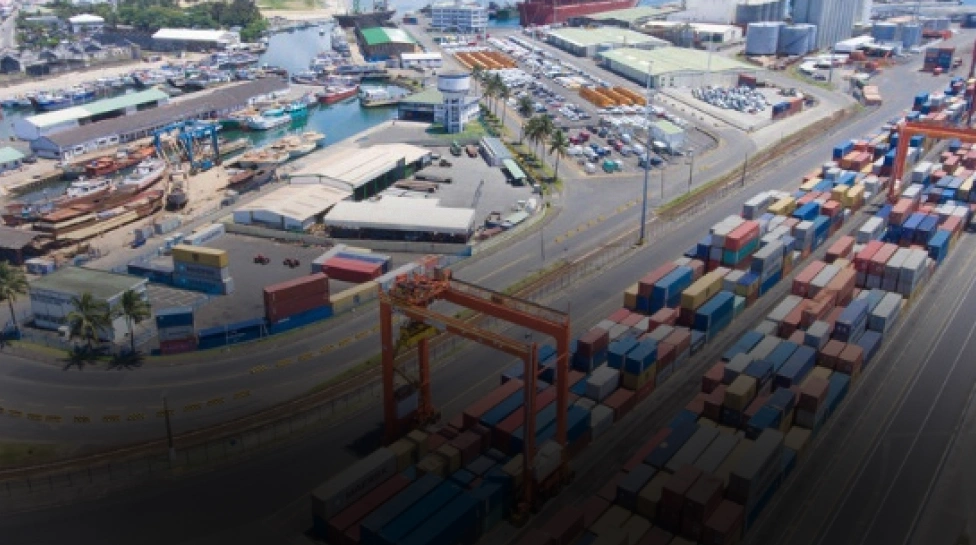
Starting in 2026, companies in Reunion Island will have to declare their imports from third countries, before the tax becomes effective in 2027, under the Carbon Border Adjustment Mechanism (CBAM).
For an economy dependent on imported materials, this measure could lead to increased costs, affecting products such as concrete, steel, aluminum, and fertilizers. According to Gérard Lebon, President of the CPME (Confederation of Small and Medium-Sized Enterprises) of Reunion Island, the consequences are significant. “This is a real problem for business leaders, regardless of their size. This CBAM will increase our costs and affect the purchasing power of Reunion Islanders,” he stated.
Furthermore, the employers’ association is particularly concerned about a surge in construction prices and is advocating for an exemption tailored to the outermost regions (ORs).
A solution could come from Brussels. The European Commission has launched a public consultation on the Omnibus Regulation for the Outermost Regions (ORs), which aims to adapt European legislation to the realities of the ORs. This project, scheduled for spring 2026, is being led by European Commissioner Raffaele Fitto.
MEP Isabelle Le Callennec welcomed this initiative as a strong and much-needed signal. “The geographical, climatic, and economic specificities of the ORs require adapted rules,” she emphasized. She encouraged French, Spanish, and Portuguese representatives to advocate for their territories and invited stakeholders from the overseas territories to participate in the consultation, which is open until January 12.
For the CPME Réunion (Confederation of Small and Medium-Sized Enterprises of Réunion), this measure could become a concrete tool. “Article 349 of the European Treaty provides for differentiated treatment for the ORs. This is our basis for excluding the overseas territories from the scope of the carbon tax,” explained Gérard Lebon, who advised business leaders not to anticipate premature increases.
The goal is to prevent the European ecological transition from becoming an economic barrier for Réunion. “Europe must strengthen the outermost regions, not confine them within a framework that weakens them,” summarizes the President of the CPME.