Supporting National Competitiveness
Madagascar’s foreign trade relies on several strategic hubs, but three areas stand out in particular for their contribution to international trade: Antananarivo, Vatomandry, and Toamasina.
These territories are now the main drivers of Madagascar’s import and export activities, thanks to their geographic location, infrastructure, and economic dynamism.
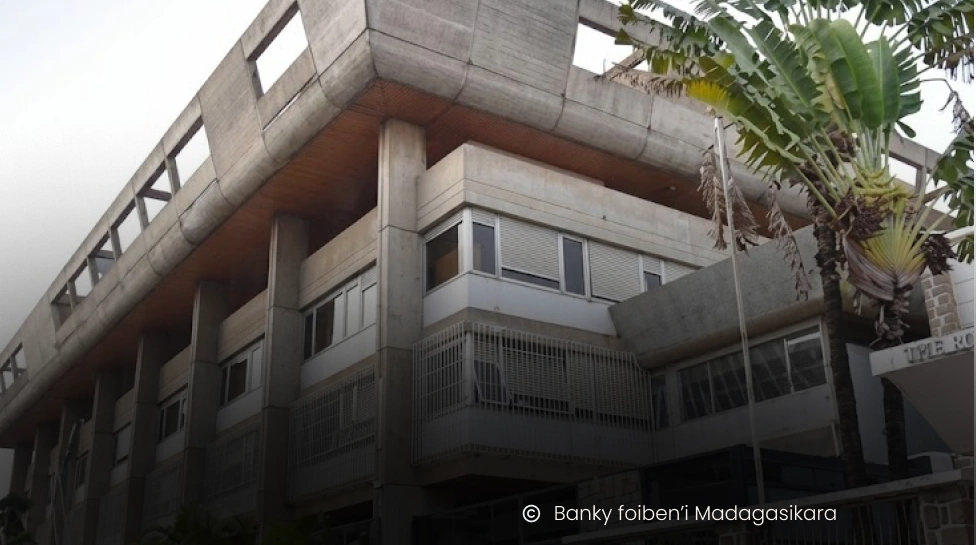
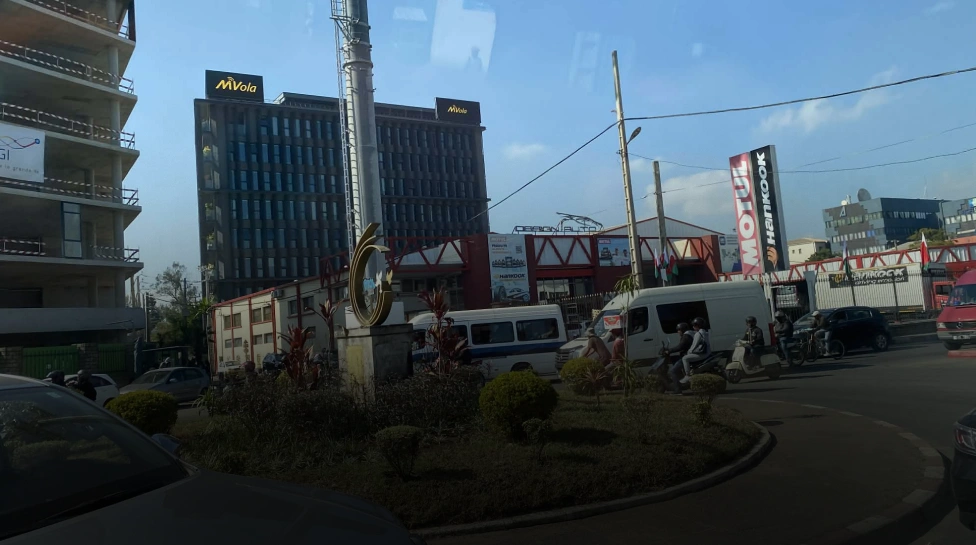
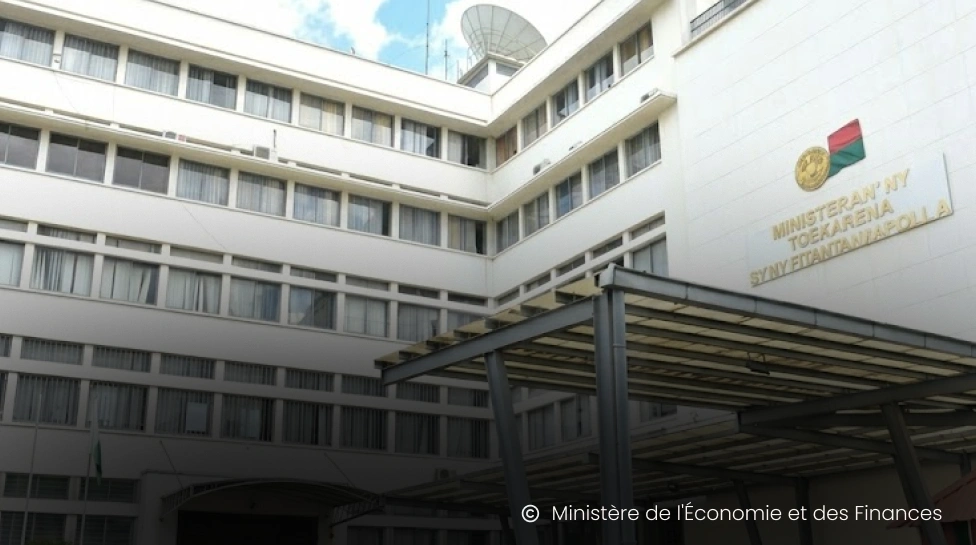
Antananarivo, the country’s administrative and economic capital, plays a major role in organizing foreign trade. The concentration of businesses, financial institutions, economic operators, and corporate headquarters makes it an essential decision-making center. A large portion of commercial transactions pass through the capital before being shipped to other regions or international markets.
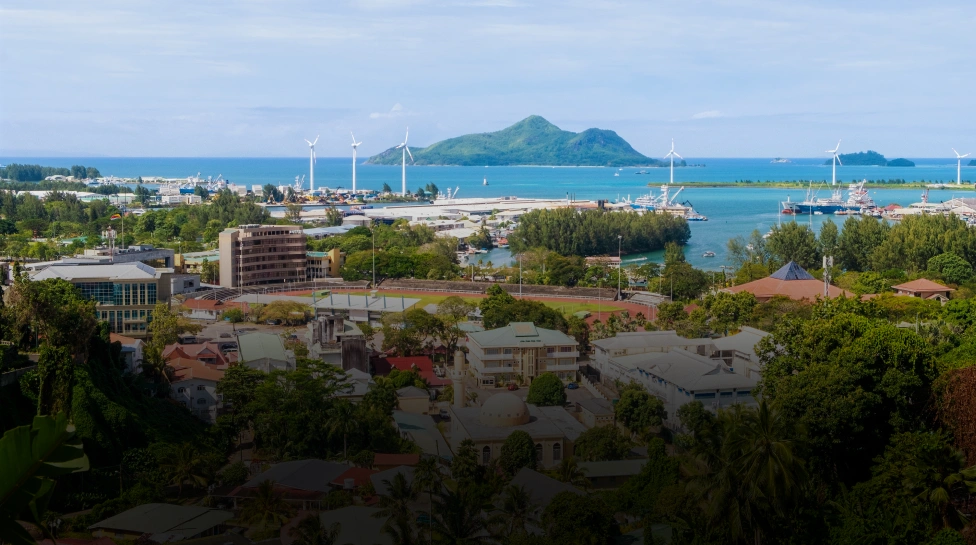
For its part, Toamasina confirms its status as a major gateway for goods. Thanks to its port, the country’s main maritime hub, the city handles a significant share of international trade flows. Imported products, such as equipment, raw materials, and certain consumer goods, largely pass through this strategic infrastructure. Toamasina also plays a key role in exporting Malagasy products abroad.
Vatomandry is another of the most active areas for foreign trade. Its location on the east coast and its access to maritime routes contribute to the development of trade. The region benefits in particular from its agricultural potential and its products destined for foreign markets.
The presence of these three hubs underscores the importance of transport infrastructure, logistics, and connectivity for Madagascar’s economic growth. Their dynamism demonstrates that the development of foreign trade depends heavily on the country’s ability to strengthen its trading platforms.
Through Antananarivo, Vatomandry, and Toamasina, Madagascar thus possesses truly strategic zones capable of supporting national competitiveness and increasing its integration into international trade.