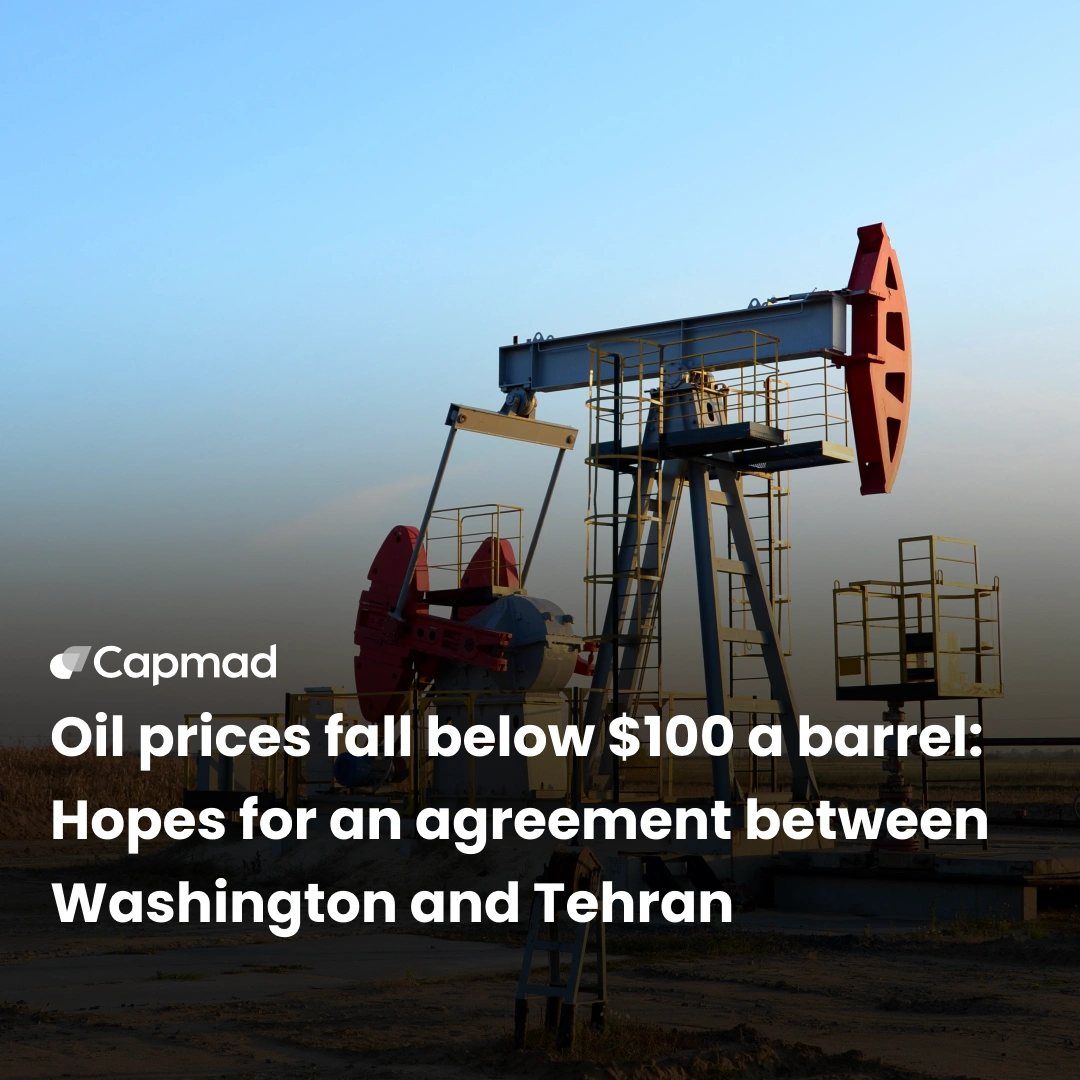
The Dangote refinery has committed to supplying 50 million liters of gasoline per day starting this December, covering the bulk of Nigeria’s daily road fuel needs. This ramp-up marks a key step for Nigerian energy security and, more broadly, for the African oil market.
Record capacity for Africa
The Dangote refinery, located in the Lekki area near Lagos, is touted as the world’s largest single-train refining complex, with a processing capacity of up to 650,000 barrels of crude oil per day. Ultimately, the infrastructure is expected to produce approximately 50 million liters of gasoline per day, in addition to diesel, kerosene, and jet fuel, positioning it as a pillar of the African oil industry.
50 million liters for the local market
Starting in December, Dangote has committed to delivering 1.5 billion liters of gasoline per month, or 50 million liters per day, primarily targeting the Nigerian domestic market. This supply could increase to 1.7 billion liters per month as early as February 2026, representing 57 million liters per day and covering almost all of the country’s consumption.
Impact on import dependence
In October, Nigeria’s daily gasoline consumption was estimated at approximately 56.7 million liters, nearly half of which still came from imports. The ramp-up of Dangote production should therefore significantly reduce the fuel import bill, ease the strain on foreign exchange reserves, and strengthen the country’s energy sovereignty.
Economic Stakes and Inflation
The local availability of refined gasoline paves the way for greater supply stability, which can help alleviate pressures on fuel prices at the pump. In the medium term, reduced dependence on imports and lower logistics costs could translate into a positive effect on inflation and transportation costs for both households and businesses.
Implications for the African Market
Beyond Nigeria, Dangote is clearly targeting regional markets with increasing export volumes of gasoline, diesel, and kerosene. This strategy could reshape the oil trade in West Africa, particularly the role of extra-African imports in favor of domestically produced oil.
Energy and Logistics Transition
To secure the distribution of the announced volumes, Dangote is in discussions with local distributors to develop a network of trucks running on compressed natural gas, in line with Niger’s energy transition objectives. This approach combines the pursuit of security of supply, reduced logistics costs, and a commitment to gradually integrating lower-emission solutions into the oil value chain.
✍️ Want to contribute a high-value article?
Contact us for a guest post : [email protected]
Write to the editorial team