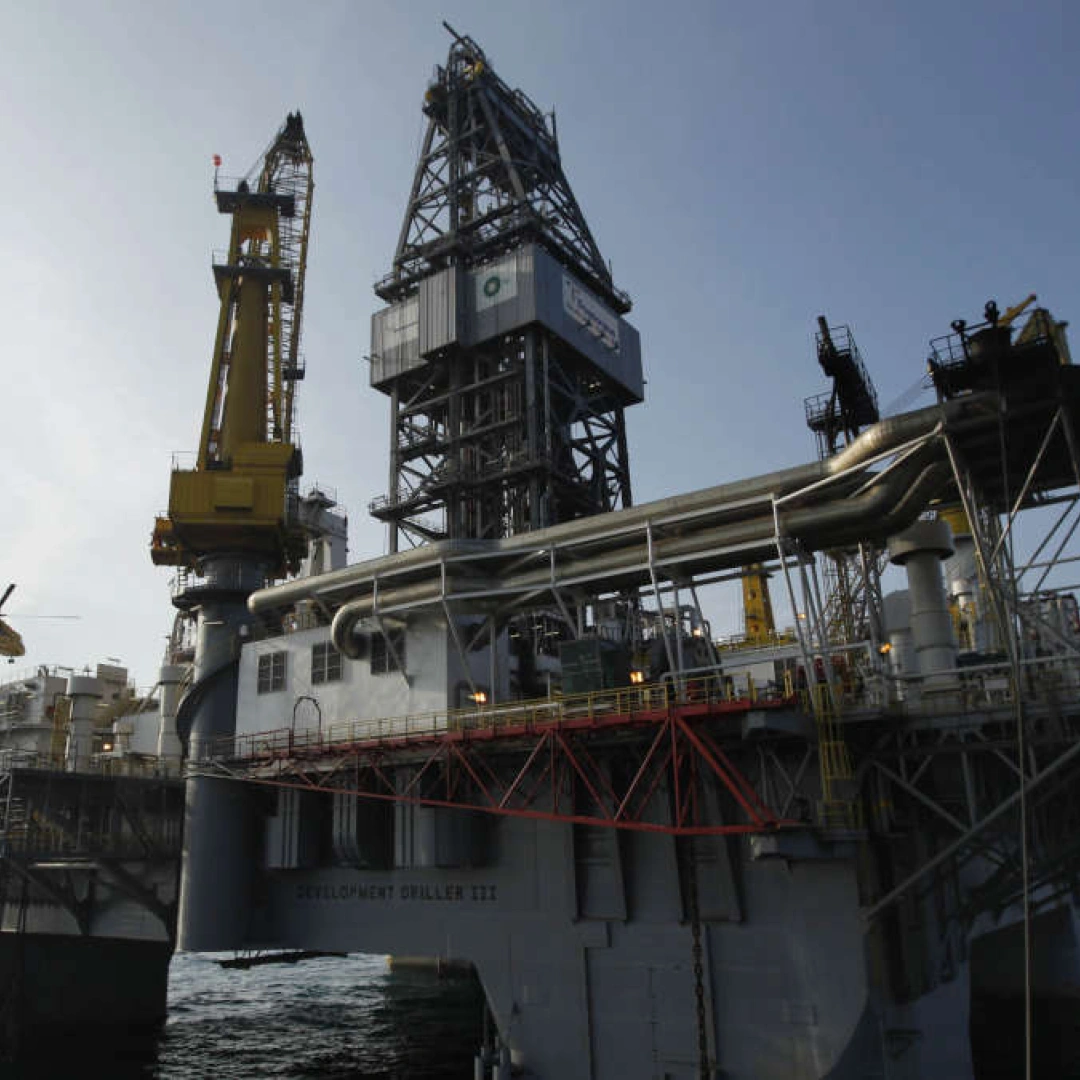
Oil prices have fallen below the symbolic $100 mark, buoyed by renewed optimism surrounding a potential agreement between the United States and Iran. This easing of tensions primarily reflects market anticipation of a possible improvement in global supply, in a context where every diplomatic signal can significantly impact energy prices.
A market highly sensitive to geopolitical factors
Oil remains one of the commodities most exposed to international tensions. As soon as there is any sign of calm on a major issue like Iran, market participants assess supply risks and adjust their positions. This is precisely what explains the recent price decline: investors are factoring in the possibility of a return of some Iranian crude to the global market.
This reaction is not new. For years, negotiations surrounding the Iranian nuclear issue have influenced oil prices, as they determine both the level of Iranian exports and the overall balance of supply.
Why prices are falling
The drop in oil prices is primarily due to the idea that an agreement could ease sanctions and allow Iran to export more. Such a development would increase available supply, which mechanically tends to put downward pressure on prices.
But the market doesn’t just react to events. It also anticipates possible scenarios. Even without a final agreement, the mere prospect of a compromise is often enough to calm speculative tensions and cause prices to fall. Traders then prefer to reduce their risk exposure, which accentuates the downward movement.
An important signal for the global economy
Lower oil prices can provide relief to oil-importing economies, particularly countries heavily dependent on energy imports. This can help reduce pressure on transportation prices, industrial production, and, more broadly, on inflation.
On the other hand, for producing countries, a sustained drop in the price of oil can complicate budgetary balances. Many oil-producing states finance a significant portion of their public spending with hydrocarbon revenues. A prolonged price correction may therefore force a revision of revenue forecasts and investment expenditures.
Iran at the Heart of the Trade-offs
Iran has long played a central role in shaping oil prices. Its potential return to the market is being closely watched, as the country has substantial reserves and export capacity that can quickly impact global supply.
Any diplomatic progress between Washington and Tehran is therefore not limited to a political issue. It immediately becomes an economic, financial, and energy matter. Markets scrutinize every statement, every sign of openness, and every development in the discussions to adjust their forecasts.
A temporary détente or a real turning point?
The current price decline does not necessarily signify a lasting trend. The oil market remains exposed to numerous volatility factors: tensions in the Middle East, production decisions by major exporters, a slowdown in global demand, and fluctuations in the dollar.
In other words, the drop below $100 may only be a temporary respite if negotiations stall or if new geopolitical risks emerge. Conversely, a solid agreement could usher in a period of more moderate prices, at least in the short term.
Conclusion
The fall in the price of oil below $100 illustrates once again how geopolitical factors still dominate energy markets. The hope of an agreement between the United States and Iran is enough to alter expectations, cause prices to fall, and reshape the balance of the oil market.
✍️ Want to contribute a high-value article?
Contact us for a guest post : [email protected]
Write to the editorial team