Connected Producers for Safer Food
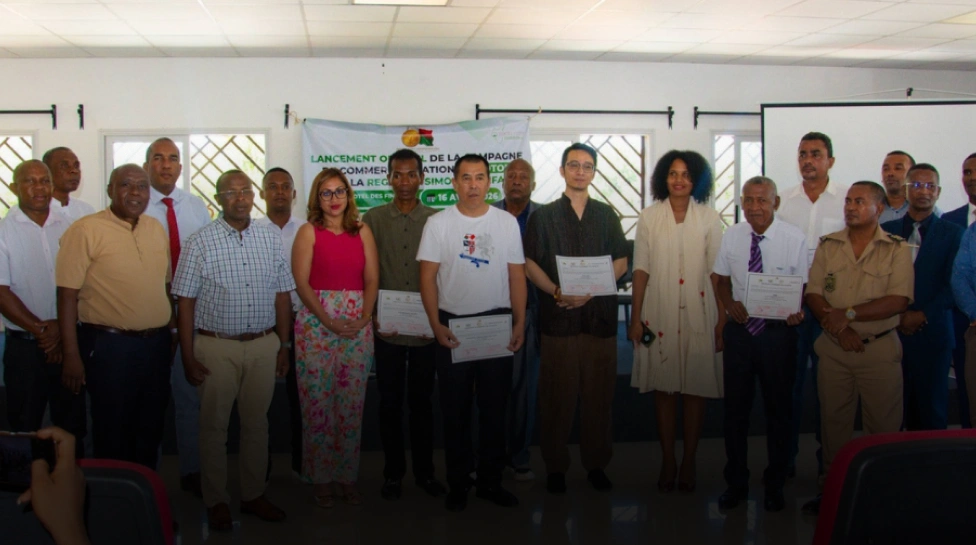
Accelerating the digitalization of the Comorian agricultural sector is at the heart of discussions in Moroni, during a national workshop held from October 7 to 9 at the Le Retaj Hotel.
The event, supported by the Ministry of Economy and the United Nations Economic Commission for Africa (ECA), brings together public officials, agricultural stakeholders, entrepreneurs, and experts for three days. The meeting focuses on a single objective: strengthening agricultural value chains and improving food security through digital tools.
The modernization of the agricultural sector and the promotion of simple and accessible technological solutions are at the center of the discussions. Participants emphasize the importance of digital technology in agricultural data management, product traceability, and direct marketing between producers and consumers. The goal: more productive, more connected agriculture, better integrated into regional markets.
The Comoros, where nearly 70% of the working population depends on agriculture, faces several challenges: low yields, post-harvest losses, and dependence on food imports. Digitalization appears to be a sustainable solution to these problems. Through digital platforms, producers can exchange information, access markets, and reduce losses due to poor product circulation.
This initiative is part of the vision of the Comorian government, led by President Azali Assoumani. Several reforms accompany this transition: the “Digital Comoros 2028” program, the liberalization of the telecommunications sector, and the creation of the National Digital Agency (ANADEM). These actions reflect a clear commitment: to build a connected, competitive economy focused on job creation.
The ECA also presents concrete examples of innovation. A digital platform, for example, can allow a banana processor in Moroni to know in real time the production available in Anjouan and to purchase directly from growers. A simple solution to reduce losses and strengthen inter-island trade.
On the ground, local entrepreneurs are already benefiting from this development. In Mwali, Chamsia Toihir, an agri-food entrepreneur, uses the Namjecommerce platform to sell her products and reach a wider customer base.