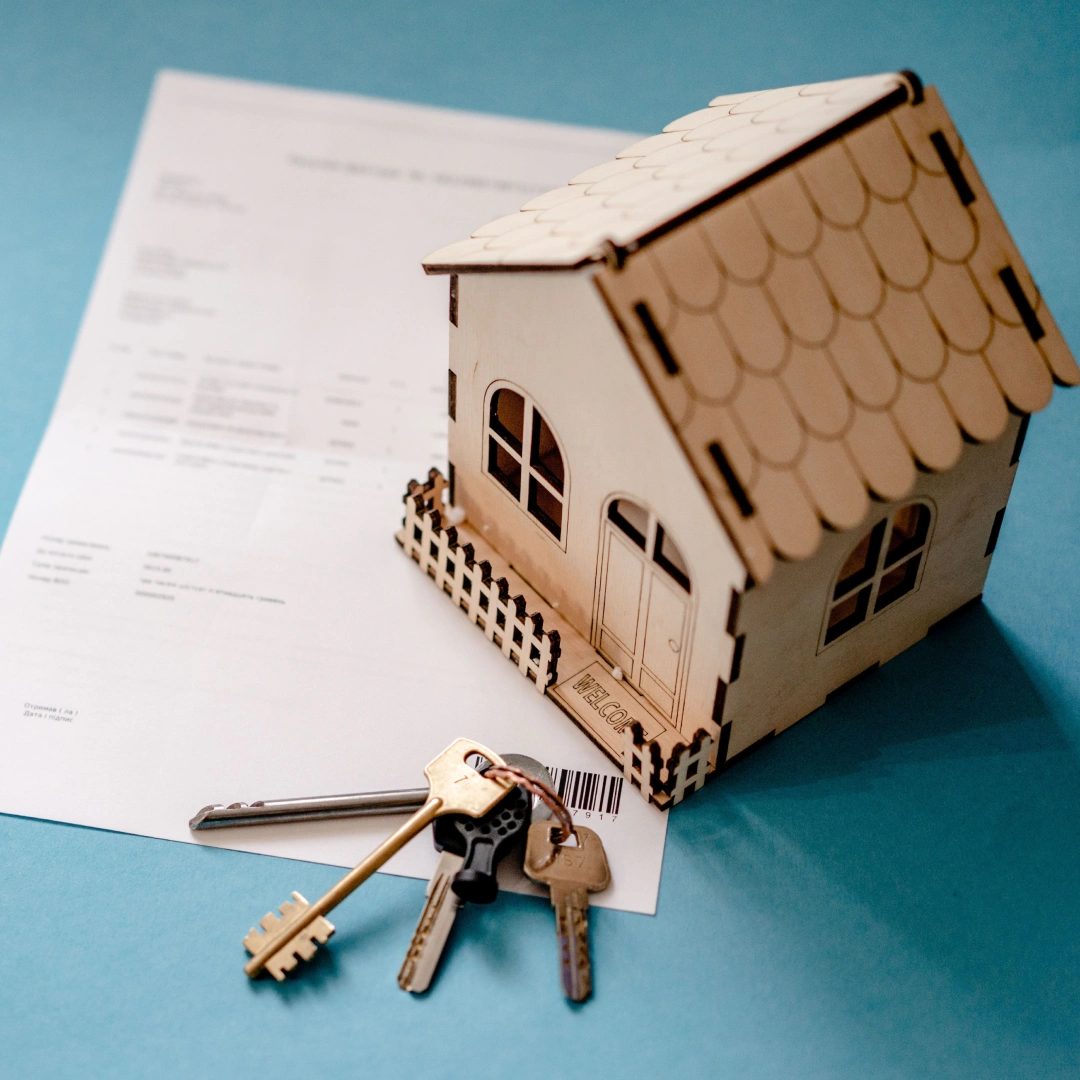
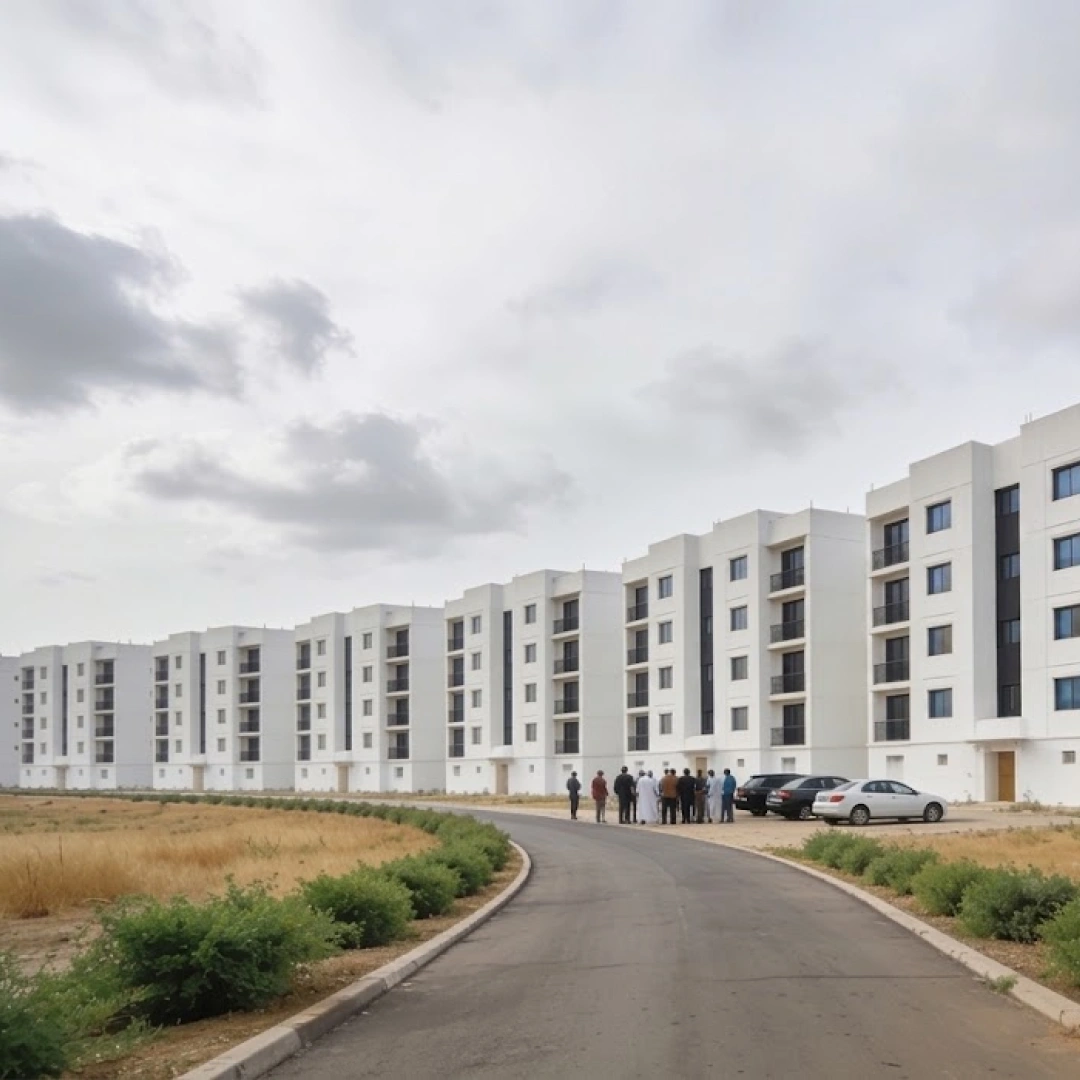
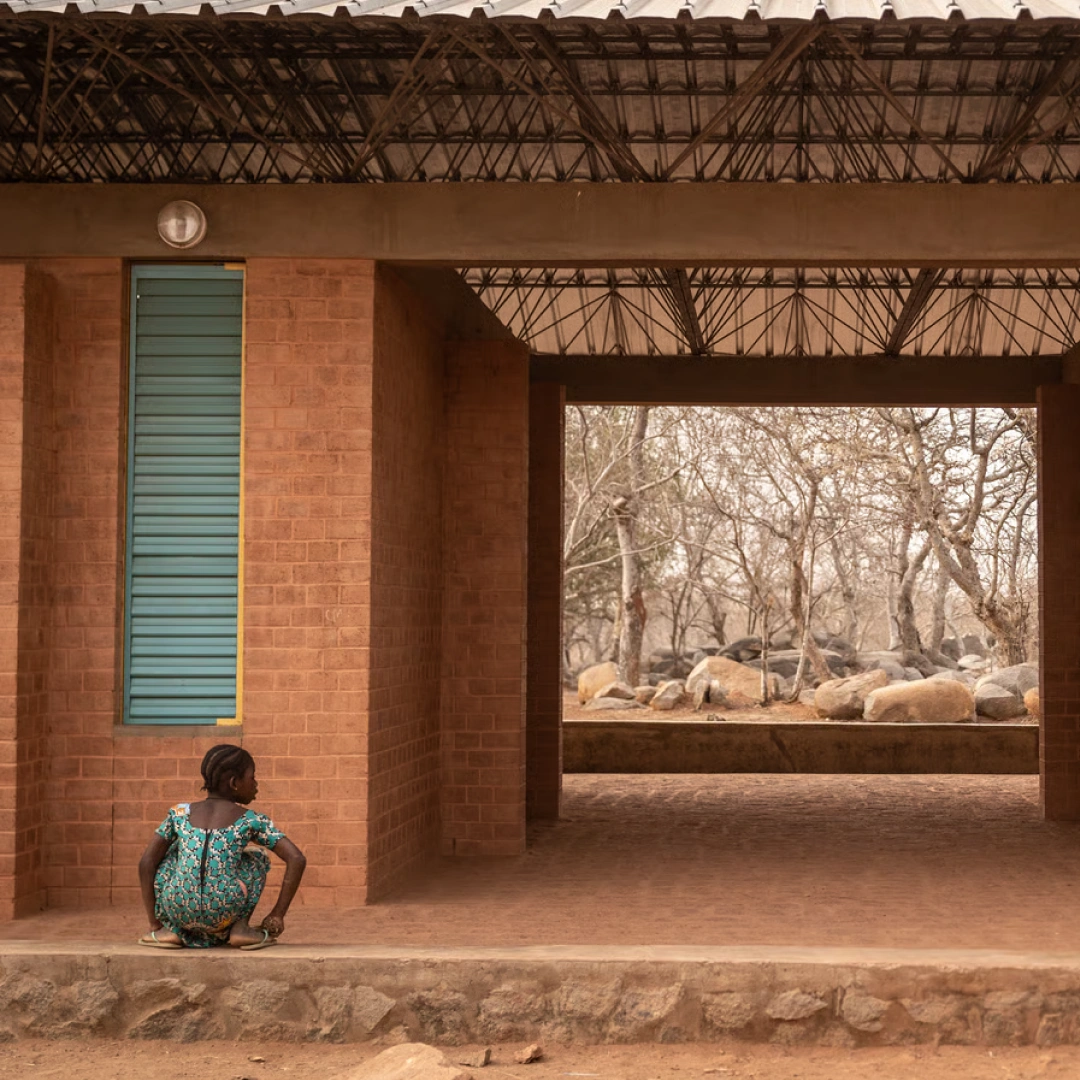
In Québec, the contractor Construction BG, cited by L’Hebdo du St‑Maurice on 10 June 2026, presents a concrete case: a homeowner hesitates between repairing damaged sections of an ageing vinyl cladding or completely redoing the exterior envelope of the house.In this real‑life situation, the contractor explains that the chosen option depends on the level of deterioration, the presence of water ingress and the client’s budget, with the bill ranging from a simple spot repair to a full replacement of the cladding. Although designed for a North American climate, this decision framework echoes the trade‑offs now facing African owners and developers grappling with the same question: should they restore or replace their exterior cladding?
“The real cost of a façade is no longer just the price of materials, but the energy performance and durability you destroy or create over forty years.” — Building‑envelope consultant, Johannesburg, GreenCape
What the Canadian example tells us about African markets
In the case study discussed by Construction BG, the first option – partial repair – is considered relevant when the structure behind the cladding is sound, no water infiltration is detected and the cladding has not yet reached the end of its estimated service life. Conversely, once inspections reveal problems with insulation, rot or structural weaknesses, the contractor recommends stripping the cladding entirely to treat the substrate wall and install a more efficient system.
The contractor also points out that the global cost includes not only material prices, but scaffolding, skilled labour and the risk of uncovering hidden defects, which can turn a repair job into an almost full replacement. For African market participants, this reasoning highlights a similar reality: the façade is no longer just decorative skin, but a key driver of both the building’s use value and its asset value in environments exposed to extreme temperatures, dust, humidity or salt‑laden air.
African climate, energy costs and regulation: why the dilemma is sharpening
Specialist analysts project that Africa’s building thermal‑insulation market could grow from about USD 7.8 billion in 2025 to nearly USD 14.6 billion by 2031, driven by rising energy costs and growing climate awareness. As insulation turns into a strategic investment line, the choice between restoring or replacing exterior cladding has a direct impact on energy bills and rental values.
Across the Middle East and Africa region, rainscreen and ventilated façade systems are expected to represent a market of around USD 842.69 million by 2032, with new‑build projects accounting for some USD 347.92 million in revenue in 2024. This indicates that full‑replacement decisions are increasingly built into project economics from the outset, rather than being suffered at renovation time.
In Southern Africa, the GreenCape agency has long highlighted that demand for cladding and bulk insulation is fuelled by tighter thermal regulations, a local industrial base and targeted energy‑efficiency incentives. This trend is gradually spreading to major cities across the continent, where the façade is becoming a tool to manage operating costs and regulatory compliance.
Three structuring questions before opting for restoration
1. The actual technical condition of the envelope
In the example discussed by Construction BG, the first step is a systematic inspection to identify cracks, deformations, bulging, damp stains or abnormal discolouration of the cladding, as well as a check of the structure and insulation behind the outer skin. Transposed to Africa, this diagnostic must take account of local stressors: strong thermal expansion, intense solar radiation, heavy rain events, sand‑laden winds or saline environments for coastal projects.
Building‑envelope specialists note that exterior cladding has three main functions: protecting the structure from weather, contributing to thermal insulation and improving the building’s appearance. Restoring cladding that no longer fulfils the first two functions amounts to postponing a structural problem rather than solving it.
2. Energy performance and access to electricity
Several façade‑systems market studies underline that investments in high‑performance envelopes are increasingly justified by energy savings, particularly in countries such as Nigeria, where the government earmarked around NGN 2.3 trillion in its 2024 budget for infrastructure, including housing and commercial buildings.
In South Africa, plasterboard and exterior‑cladding manufacturers are already marketing lightweight façade wall systems that offer enhanced weather protection and better insulation, with reduced building energy use as the core value proposition over the asset’s life cycle. For a property owner, keeping a poorly insulated cladding may look rational in the short term, but replacing it with a more efficient system can quickly amortise itself in cities where grid electricity or diesel for generators is becoming prohibitively expensive.
3. CAPEX/OPEX arbitrage in an era of rising material costs
The latest yearbook from the Centre for Affordable Housing Finance in Africa reports that in Angola, for example, construction‑material prices rose by roughly 24.3 % between June 2023 and June 2024, with certain cements and binders on informal markets increasing by more than 50 %. In such a volatile environment, full‑replacement façade projects carry greater risk for investors and households alike.
Recent analysis of Africa’s building‑materials market nonetheless shows that fibre‑cement façade boards, mineral‑wool insulation and composite panels are gaining share in residential and commercial segments, supported by demand for more durable buildings. For institutional developers, this points towards full replacement as the rational choice in major renovations, in order to lock in performance and costs over the long term rather than multiplying small repair campaigns.
When restoration is enough, and when replacement becomes unavoidable
In day‑to‑day African practice, restoration is generally justified when:
- the cladding is still in mid‑life and defects are localised;
- the load‑bearing structure and the insulation remain intact;
- planned works do not aim at a major energy‑performance upgrade or a redesign of openings.
Specialist glass and aluminium firms in West and Central Africa highlight targeted interventions such as replacing damaged curtain‑wall modules, redoing joints or adding localised sun‑shading elements to improve comfort without stripping the entire façade. In such cases, restoration protects cash flow while securing the building.
By contrast, full replacement becomes hard to avoid when:
- thermal and moisture analysis shows that the current envelope cannot be brought into line with new standards without a full redesign;
- pathologies are widespread: corrosion of fixings, rotting timber sub‑frames, extensive delamination of composite panels;
- repositioning the asset (moving upmarket, seeking environmental certification, or selling to an institutional investor) requires a façade aligned with contemporary standards.
Studies on South Africa’s cladding‑systems market note that demand is increasingly driven by heavy‑renovation projects that combine new façade skins, upgraded insulation and improved acoustic and fire performance. In such projects, cosmetic restoration is no longer enough: the façade is treated as a full technical system.
Implications for investors and public policy
Regional projections for the cladding market in Africa and the Middle East indicate that wall‑cladding solutions are now specified in the early design stages, because they shape the building’s overall strategy for insulation, moisture management and ventilation. For investors, this means the façade budget line must be treated as a performance asset, not a mere finishing item.
Transition agencies such as GreenCape observe that by combining tax incentives, tighter thermal standards and exemplary public procurement, governments can steer demand towards higher‑performance façade systems, favouring highly insulated, long‑life solutions over low‑end claddings with short replacement cycles. Under fiscal pressure, this reduces the risk of chronic underinvestment in the envelope, which tends to generate a succession of costly small repair jobs.
For pan‑African banks and real‑estate funds, developing a more granular view of façade life cycles – incorporating maintenance costs, climate‑risk exposure and regulatory trajectories – is becoming a competitive edge in project underwriting.
Key takeaways
- The decision to restore or replace exterior cladding must start from a thorough envelope diagnostic, not just visible aesthetics.
- Rising energy costs and tighter thermal rules in Africa strengthen the case for full façade replacement with higher‑performance systems in major renovations.
- Volatile material prices argue for durable cladding choices to limit the frequency of works and exposure to price spikes.
- African cladding and insulation markets are maturing fast, offering more local options for ventilated and insulated façades.
- For investors and regulators, treating the façade as a performance asset rather than mere decoration has become a major lever for value and resilience.
✍️ Want to contribute a high-value article?
Contact us for a guest post : [email protected]
Write to the editorial team