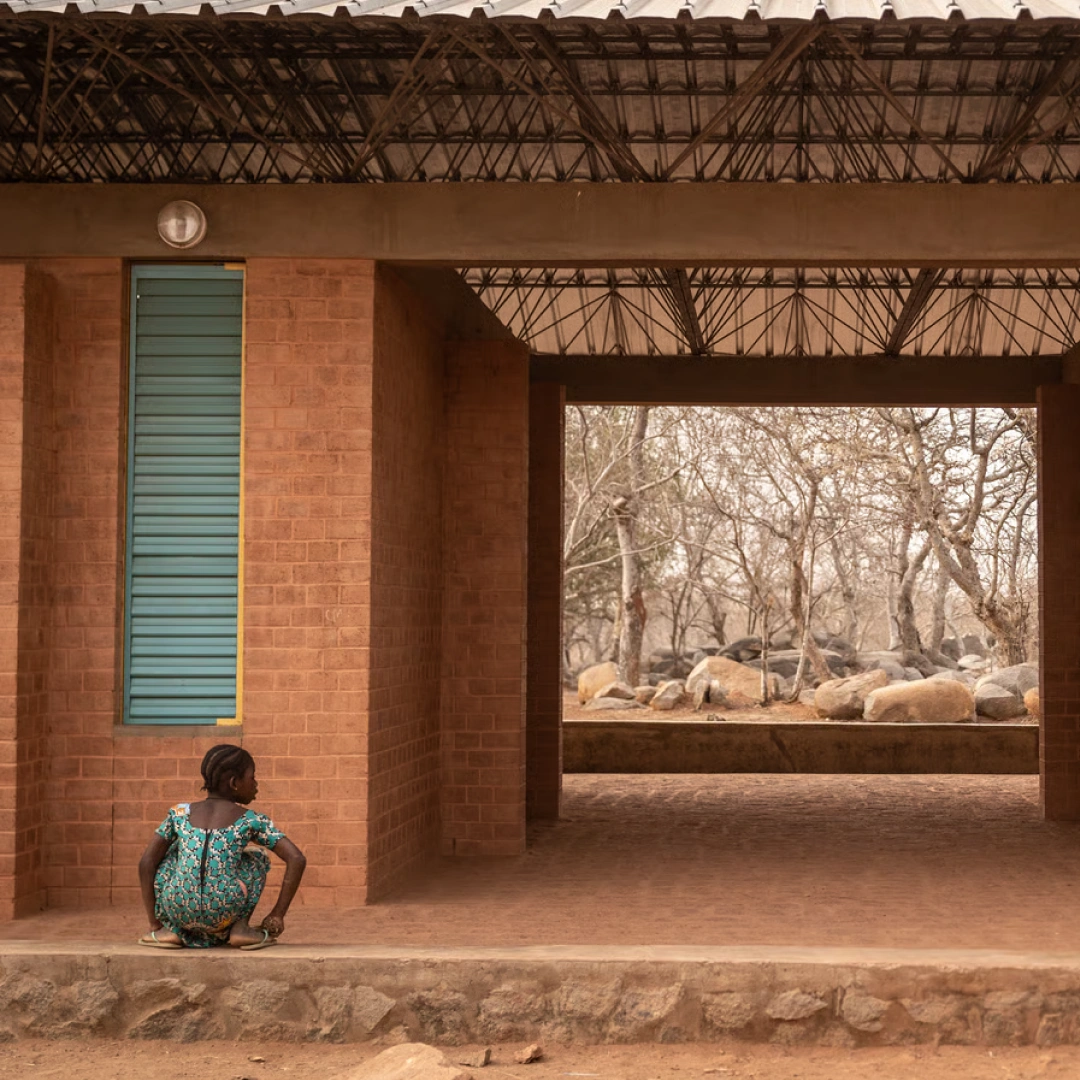
Senegal’s Fonds pour l’Habitat Social has concluded a 39 billion CFA franc partnership with African Dream Holdings International to finance 1,000 high energy-performance pilot homes, presented as a testbed for the country’s green transition in housing.
A major FHS–ADHI partnership to green affordable housing
Senegal’s Fonds pour l’Habitat Social (FHS) signed on 10 June 2026 a strategic partnership with African Dream Holdings International (ADHI) for financing of 39 billion CFA francs to develop 1,000 so‑called green and affordable pilot housing units. Under the agreement, FHS provides structured funding while ADHI is responsible for designing and building the units, which are primarily intended for low- and middle-income households.
The pilot homes are part of the Senegalese authorities’ green-transition strategy, with buildings designed for low energy consumption, using more sustainable materials and renewable power solutions to reduce the carbon footprint of the residential stock. The pilot project is structured as a technological and financial showcase to prepare an eventual scale-up to programmes involving several thousand units over the coming years.
“This partnership with ADHI must show that it is possible to combine affordability, construction quality and environmental performance in social housing in Senegal.” — FHS official, Financial Afrik
A testbed for the sector’s green transition
FHS presents the programme as a public-policy laboratory to test, at a controlled scale, energy-efficiency construction standards, the mainstreaming of household solar power and new combinations of subsidies and loans in order to keep monthly repayments in line with local purchasing power. The agreement also provides for monitoring and evaluation mechanisms to measure actual energy savings, thermal comfort and the social acceptability of these solutions.
ADHI, already active on affordable-housing projects in several African countries, is expected to deploy in Senegal prefabrication techniques and alternative materials aimed at reducing both costs and emissions associated with conventional cement. The authorities want these pilot sites to act as demonstrators for local developers, banks and international partners that finance social housing.
Structural demand for affordable housing
Senegalese authorities acknowledge a structural housing shortage in urban areas, especially for low-income households, while rapid urbanisation is putting strong pressure on land and rents in large cities such as Dakar. Previous public programmes have struggled with high construction costs, still-limited access to mortgage credit and difficulties securing well-located land for social housing.
International institutions stress that the building sector in Senegal accounts for a significant share of energy consumption and emissions related to materials, making it a central lever for a greener development trajectory. Recent urban strategies place more emphasis on climate resilience of neighbourhoods and energy performance of buildings, particularly for low-income segments that are more exposed to climate shocks.
Financing structure and scale-up risks
The structure endorsed by FHS combines public and para-public financing, with the objective of mobilising long-term resources for social housing while preserving the financial balance of the fund. Project officials indicate that the financing structure is also meant to be a replicable model to attract more private capital and climate funding once technical and social performance has been demonstrated.
Technical partners underline that the viability of such models will depend on factoring in maintenance costs, ensuring build quality and strengthening the local value chain of materials producers and construction firms. They also highlight the need to align these projects with land and urban-transport policies so as not to replicate poorly serviced peripheral neighbourhoods.
Next milestones to watch
The operational schedule foresees the launch of the first construction sites after completion of technical and environmental studies, with a target of delivering the pilot units before rolling out a larger-scale programme. The coming months will be pivotal for Senegal’s ability to align housing policy with the green transition, notably through the integration of energy-performance standards into regulation and public tenders.
For investors and local banks, key indicators will include the speed of take-up of these homes, the actual level of energy bills borne by households and the appetite of climate financiers to co-fund any scale-up.
✍️ Want to contribute a high-value article?
Contact us for a guest post : [email protected]
Write to the editorial team