Strengthening Environmental Protection
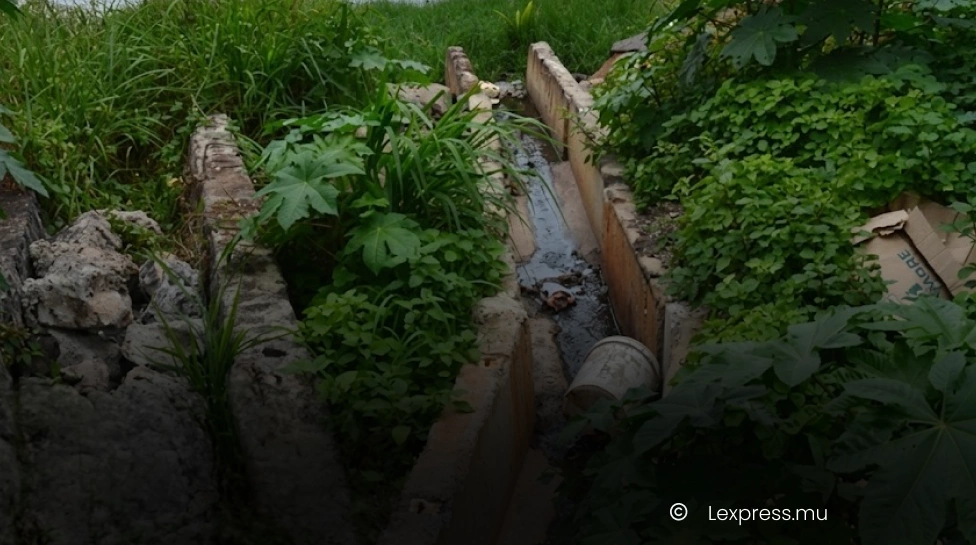
The Mauritian government aims to strengthen environmental protection by implementing a modernized legal framework for ecologically sensitive areas. This reform, currently under development, seeks to better protect fragile natural spaces from the pressures of urban, tourism, and industrial development.
Authorities believe that certain regions of the island now require protection more tailored to current environmental challenges. Mangroves, wetlands, coral reefs, forest reserves, and coastal areas are among the ecosystems targeted by this future framework. According to the Ministry of the Environment, the objective is to ensure more sustainable economic development while limiting the risks of natural resource degradation.
The new legal framework should allow for more precise identification of ecologically sensitive areas and strengthen mechanisms for monitoring development projects. Environmental assessment procedures could also be tightened to better regulate construction and activities likely to impact ecosystems. The authorities are particularly keen to avoid projects that could exacerbate coastal erosion, marine pollution, or the destruction of natural habitats.
This initiative comes at a time when Mauritius is facing several major environmental challenges linked to climate change. Rising sea levels, extreme weather events, and land pressure pose increasing threats to the island’s natural areas. Several environmental organizations have long been calling for the modernization of existing legislation, which is sometimes considered insufficient or outdated.
The government states its intention to work in consultation with local communities, environmental experts, and economic stakeholders to develop balanced legislation. Public consultations are expected to be held in the coming months before the official presentation of the draft law.
Through this reform, Mauritius aims to strengthen its sustainable development policy and preserve its natural heritage, an essential asset for biodiversity as well as for the country’s tourism economy.