The Impact of Several Economic Shocks That Marked the Beginning of the Year
The Malagasy economy is facing a more difficult reality than anticipated. While the government initially projected growth of 4.8% for 2026, this forecast has been revised downward to 3.8% in the Amending Finance Bill. This revision reflects the impact of several economic and climatic shocks that marked the beginning of the year.
According to the Ministry of Economy and Finance, Cyclones Fytia and Gezani severely affected the primary sector, particularly agriculture, destroying crops and essential infrastructure. Damage to the Toamasina power grid and the Ambatovy mining complex also hampered the country’s industrial activity.
Added to these difficulties is a tense international context. The rise in oil prices, linked to geopolitical tensions in the Middle East, has increased production and transportation costs, while the prolonged suspension of some international air links has slowed the recovery of the tourism sector.
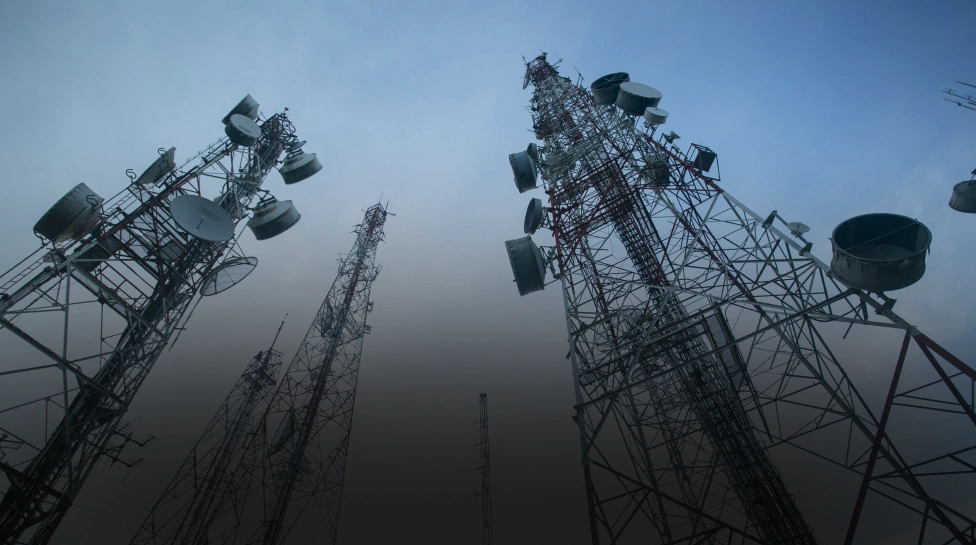
The sectors most affected are extractive industries, energy, and tourism. However, some activities continue to show encouraging signs. The construction and public works sector is benefiting from reconstruction needs and major infrastructure projects. Telecommunications and business process outsourcing (BPO) are also experiencing strong growth, supported by the country’s digital transformation.
This revised growth outlook does not, however, signify a halt to economic development. It primarily serves as a reminder of Madagascar’s vulnerability to climate and external shocks. To achieve sustainable growth, the country will need to continue investing in infrastructure, energy, resilient agriculture, and the diversification of its economy in order to reduce its dependence on a few key sectors.