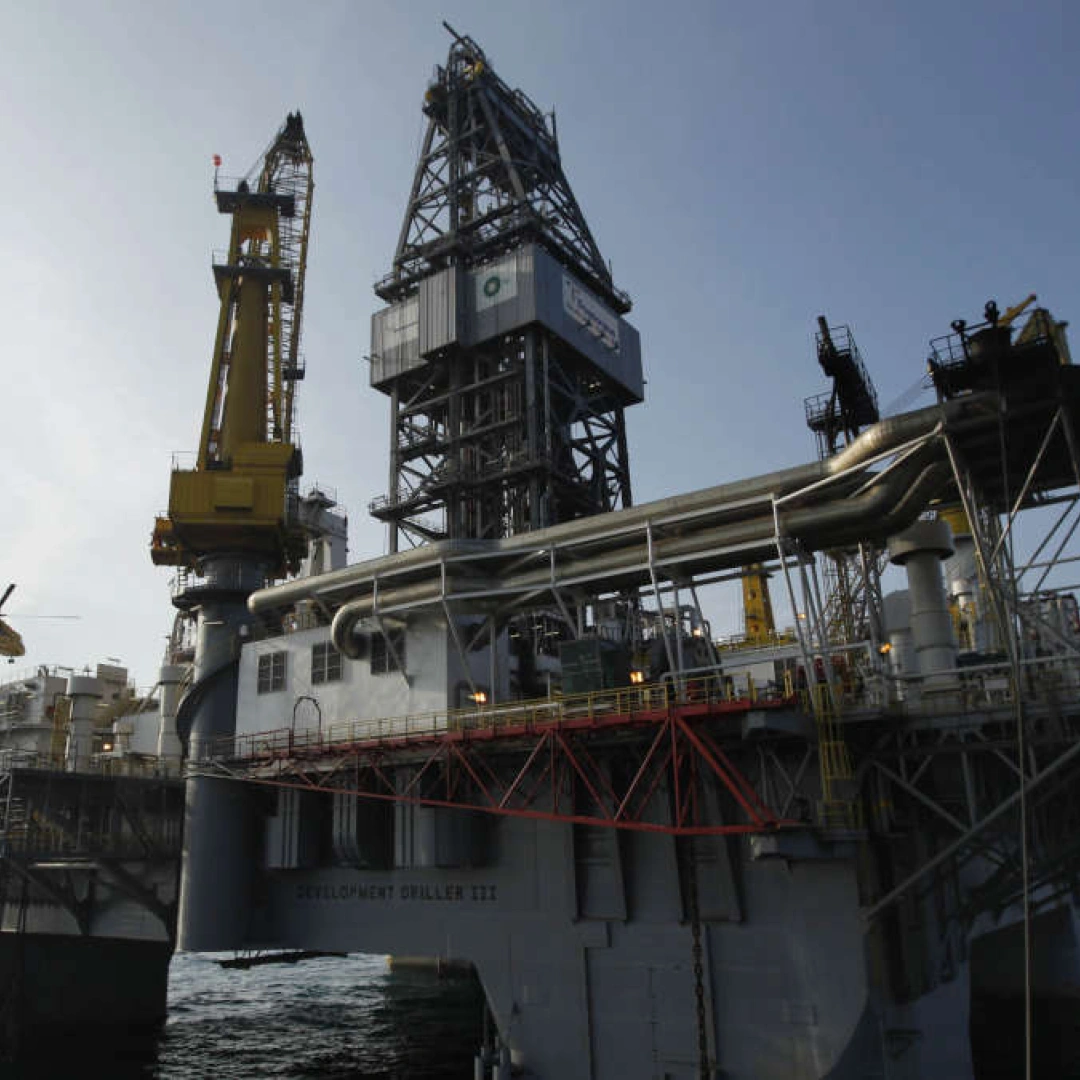
The crisis between the United States and Venezuela, exacerbated by US sanctions, threatens to disrupt global energy markets due to Venezuela’s dependence on oil. These measures, aimed at isolating Nicolás Maduro’s regime, could lead to a reduction in Venezuelan exports, affecting oil prices and overall economic stability. The impacts are already being felt on the country’s oil revenues, with cumulative losses estimated at hundreds of billions of dollars.
Context of the Current Crisis
Since Donald Trump took office in January 2025, the United States has intensified its operations against Venezuela, including strengthened sanctions and a military buildup in the Caribbean. Maduro, for his part, denounces imperialist interference and is preparing for potential resistance, while allies like Russia and China are maintaining a cautious stance.
This escalation risks transforming an internal crisis into a regional conflict, with implications for global energy security.
Economic Impacts on Venezuela
US sanctions have caused a drastic drop in Venezuelan oil production, the country’s main source of revenue, resulting in a loss equivalent to 213% of its GDP between 2017 and 2024, totaling approximately USD 226 billion. In 2025, new measures, including tariffs on oil and the designation of cartels as terrorist organizations, exacerbate macroeconomic instability, with currency devaluation and recurring power outages.
These restrictions limit imports of essential goods, such as food and medicine, exacerbate the humanitarian crisis, and reduce public imports by 46% in 2019 and by a further 50% in 2020.
Repercussions on the global economy
The reduction in Venezuelan oil exports could drive up global energy prices, particularly affecting net importing countries such as those in Europe and Asia, where oil represents a significant portion of energy costs. The sanctions have already resulted in an estimated loss of revenue for the Venezuelan state of between USD 17 and 31 billion. This could destabilize emerging markets dependent on South American oil flows.
Furthermore, the military escalation risks disrupting shipping lanes in the Caribbean, thereby increasing logistical costs and potentially leading to a rise in overall commodity prices.
Geopolitical Perspectives and Stakes
In the short term, a diplomatic resolution seems unlikely, as Trump explores all options to weaken Maduro, including targeted strikes, although the majority of American public opinion opposes military intervention. In the long term, an American victory could reshape energy alliances, particularly the influence of Russia and China in Latin America, but at the cost of increasing instability if sanctions persist.
Economists fear that without relief, this crisis could contribute to moderate global inflation, reducing the vulnerability of oil supply chains to geopolitical tensions.
✍️ Want to contribute a high-value article?
Contact us for a guest post : [email protected]
Write to the editorial team