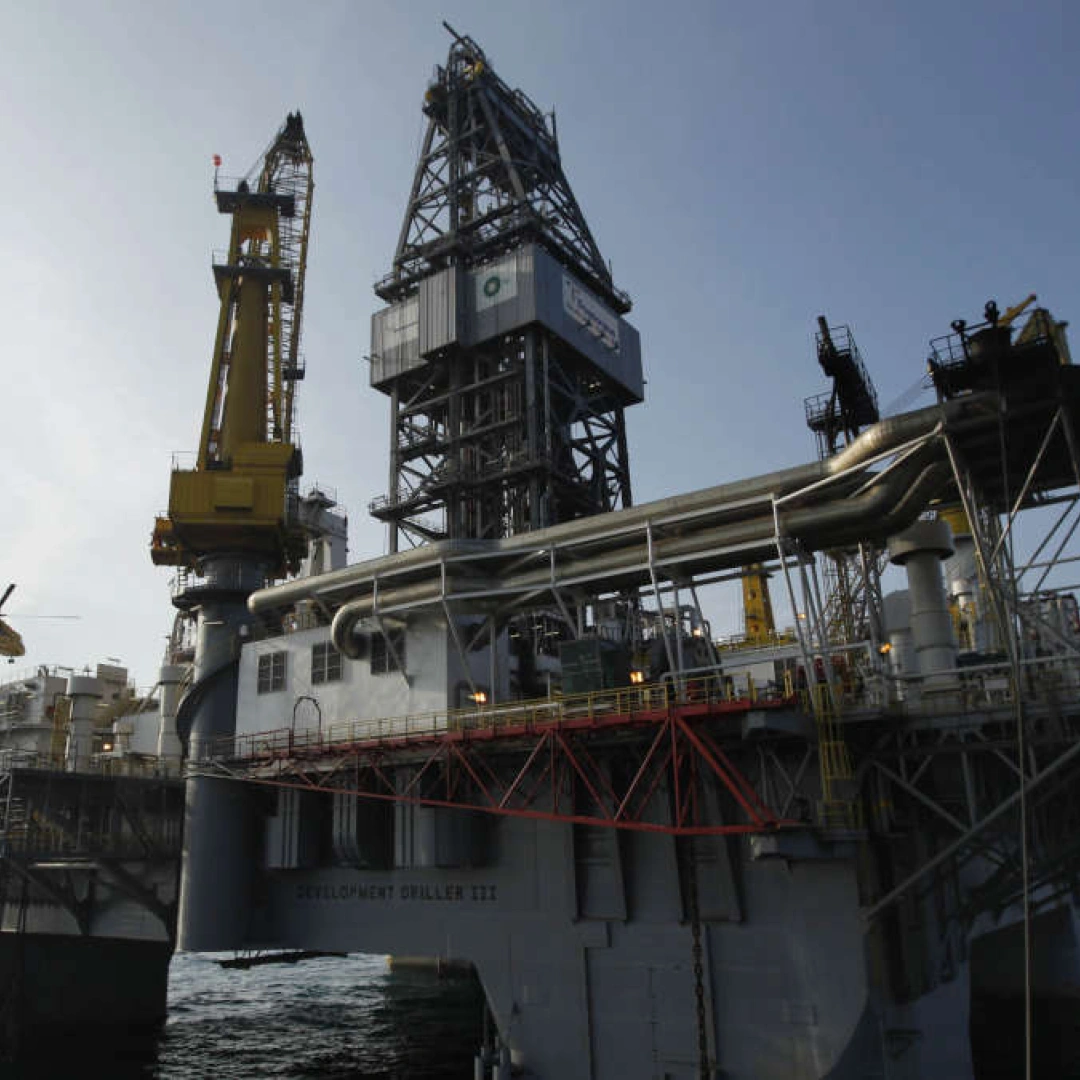
Somalia has just taken a historic step with the launch of its first offshore oil drilling operation. For a country long associated with political instability and humanitarian crises, this initiative marks a clear attempt at economic transformation based on the exploitation of its offshore resources.
The project opens a new phase for the Somali energy sector, with the hope of confirming a largely unexplored oil and gas potential. It is also part of a broader strategy of international cooperation, particularly with Turkey, which has become a key partner in exploration off the Somali coast.
A Strategic Turning Point for Mogadishu
The announcement of the offshore drilling is far from insignificant. For several years, Somalia has been seeking to attract investments capable of reviving an economy weakened by decades of conflict. By launching this operation, the authorities want to demonstrate that the country can become a new energy player in the Horn of Africa.
The Somali Minister of Petroleum presented this initiative as a historic turning point, emphasizing that it could pave the way for large-scale exploitation of offshore resources. The work is based on seismic surveys conducted the previous year, which identified areas deemed promising.
Turkey’s Central Role
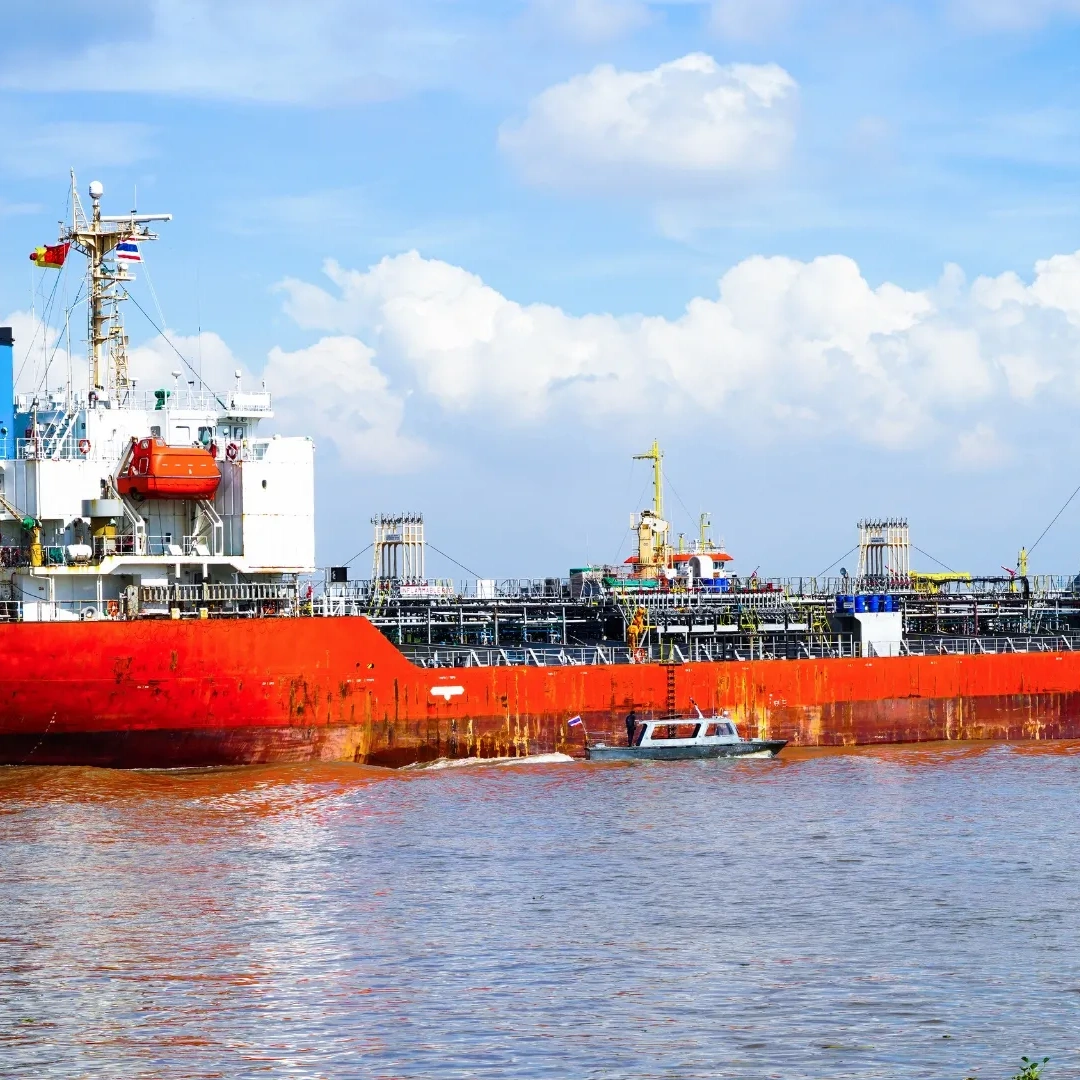
Turkey is playing a decisive role in this operation. The drilling is being carried out by a vessel belonging to the Turkish Petroleum Corporation, a sign of an increasingly strategic energy partnership between Ankara and Mogadishu. This rapprochement is not limited to technical cooperation: it also reflects Turkey’s political will to strengthen its presence in a highly sensitive maritime zone.
According to available information, this project stems from a production-sharing agreement signed in 2024. It therefore falls within an already established legal and commercial framework, giving the operation a more structured scope than a simple isolated exploration mission.
Energy Potential Yet to Be Confirmed
Estimates of Somalia’s offshore reserves remain impressive, but they still need to be confirmed by exploratory drilling. Several sources suggest a potential of tens of billions of barrels, although this does not yet constitute proven reserves. The ongoing drilling is intended to test the volume and quality of the resources identified off the coast.
For Somalia, the stakes are immense. If the results are positive, the country could enter a new economic era, with revenues capable of financing infrastructure, public services, and state reconstruction.
Expected Benefits, but Major Challenges
Offshore oil exploitation could become a major driver of growth, but it also carries risks. Revenue management, contract transparency, and the equitable sharing of profits will be central issues. In a country whose institutions are still fragile, the “resource curse” remains a possible scenario if governance is not strengthened.
The geopolitical dimension is also important. Somalia is located in a strategic area, between the Arabian Sea, the Indian Ocean, and near the Red Sea, where energy and maritime interests intersect. The arrival of foreign actors in this matter therefore reinforces the importance of sovereign and transparent governance.
A new energy map for the Horn of Africa
Beyond Somalia, this drilling could alter the regional energy balance. If the country succeeds in demonstrating the existence of exploitable deposits, it could attract other partners and reposition the Horn of Africa as a strategic area of interest for hydrocarbons.
This first offshore operation does not yet guarantee a prosperous future for the oil industry. But it already represents a strong signal: Somalia wants to transform its geological potential into a concrete economic opportunity.
✍️ Want to contribute a high-value article?
Contact us for a guest post : [email protected]
Write to the editorial team