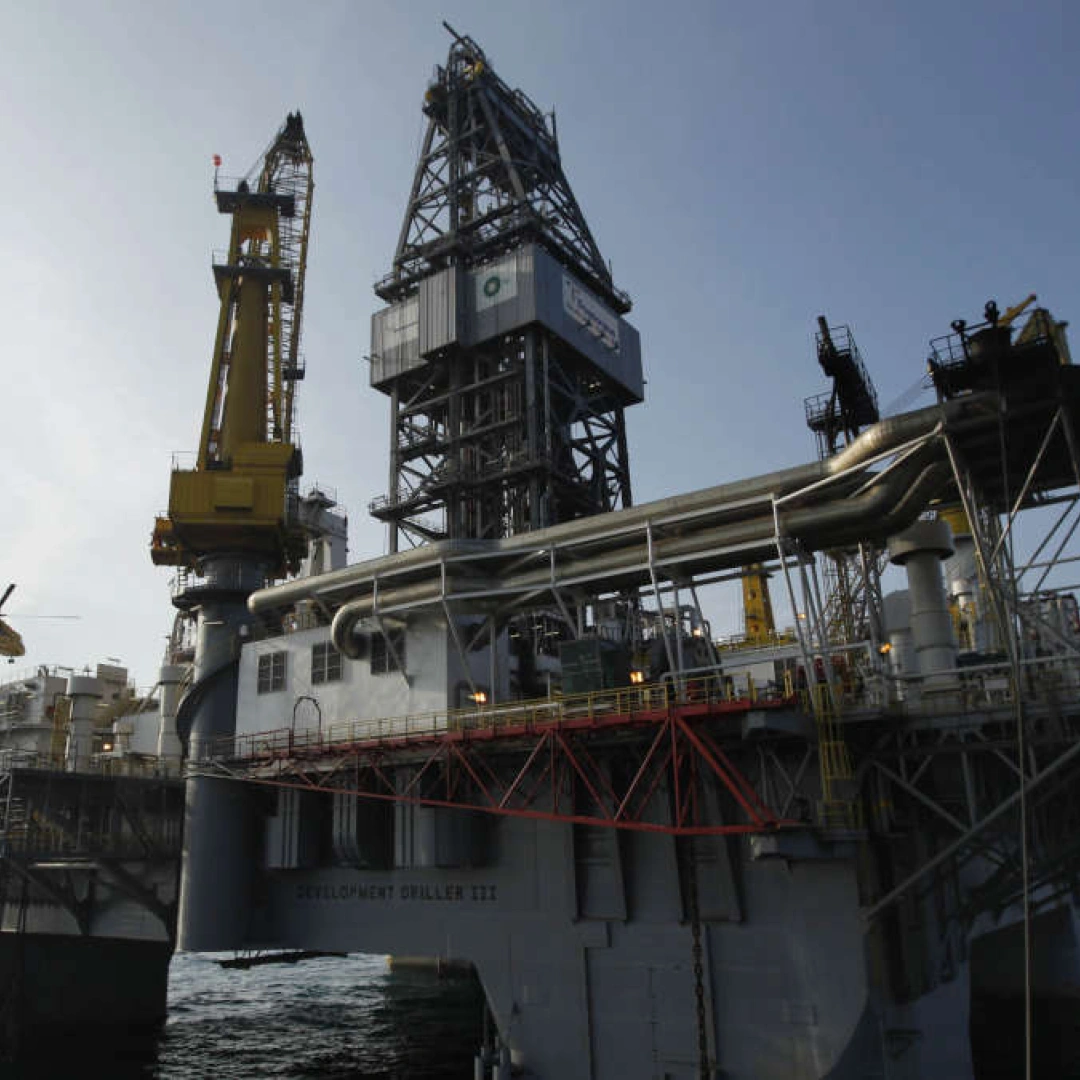
Amid disrupted supplies from the Middle East, Congo has shipped a first Djeno crude cargo to Vietnam’s Nghi Son refinery and is using India’s and South Korea’s diversification strategies to anchor itself more firmly on Asian oil markets.
As Middle East tensions peaked in the first half of 2026, Vietnamese state company Petrovietnam confirmed on 18 June 2026 the receipt of a first Djeno crude cargo from the Republic of Congo, marking the formal entry of Congolese crude into the country’s refining market. According to Petrovietnam, the shipment of 950,000 barrels was unloaded at the terminal of the Nghi Son refinery in northern Vietnam, a facility with a processing capacity of 200,000 barrels per day.
This Vietnamese breakthrough is part of a broader reshaping of Asian energy flows, as importers in the region seek to reduce their exposure to the Strait of Hormuz and diversify supply sources beyond the Middle East. At the height of the regional tensions, Congolese crude secured new outlets in Vietnam and South Korea, while Congo’s presence on the Indian market strengthened, even if volumes remain small compared to Asian demand.
Congolese crude as an opportunistic substitute during the Hormuz crisis
The arrival of Djeno crude at Nghi Son comes at a time when the refinery’s traditional supplies have been disrupted by geopolitical tensions affecting oil flows from the Gulf. Vietnam’s high crude oil needs, combined with its growing reliance on imports as domestic production declines, make it a natural target for African suppliers able to deliver medium to heavy grades suited to its refining configurations.
Vietnamese officials began importing greater volumes of crude from 2018 onwards to feed domestic refineries, against a backdrop of falling domestic output and difficulties developing deeper offshore fields. Since the outbreak of war involving Iran in February 2026, Hanoi has repeatedly stressed the need to diversify suppliers in order to secure strategic stocks of crude and refined products.
For Brazzaville, the signal is twofold: Congolese crude positions itself as a credible substitute for Gulf grades in a stressed market, and it becomes part of an Asian diversification strategy that no longer relies solely on Russian or Middle Eastern barrels.
Seoul locks in African volumes as part of its diversification plan
South Korea has also brought Congo into its diversification toolkit in response to the risks affecting the Strait of Hormuz, a vital route for its energy imports. Between April and May 2026, Seoul secured substantial replacement oil volumes, spread across multiple cargoes sourced from 17 countries including Congo, Gabon, Saudi Arabia, the United States, Brazil, Australia and Canada.
According to Yang Ki-wook, director general of the Industry, Trade and Resources Security Bureau at the South Korean Ministry of Trade, these alternative supplies covered a significant share of the country’s usual needs in April and May. Analysts of Asian energy routes note that South Korea, heavily dependent on flows transiting through Hormuz, is among the economies most exposed to a prolonged blockage of the strait and therefore among the most active in seeking alternative suppliers.
Within this strategy, Congolese barrels remain marginal in volume. However, their presence among the origins selected by Seoul consolidates Congo’s status as a recognised supplier in East Asia, alongside long‑standing African exporters such as Nigeria and Angola.
India: fast growth from a still modest CEMAC base
On the Indian market, purchase data compiled from industry sources for January to May 2026 show that Congo has increased its average crude shipments to India compared with a year earlier, posting a noticeable year‑on‑year rise. This momentum makes Congo the leading oil supplier from the Central African Economic and Monetary Community (CEMAC) to the Indian market, ahead of Gabon and Chad.
Over the same period, Gabonese exports to India rose compared with the previous year, while Chad appeared for the first time among suppliers; by contrast, purchases of Cameroonian crude declined over the period, falling well below their earlier level. Taken together, the four CEMAC producers supplied daily crude volumes to India between January and May 2026 that still represent only a small fraction of the country’s total imports.
This growth therefore remains relative: India continues to source the bulk of its needs from Russia and the Middle East within a fragmented oil market structured around large regional blocs, where Asia’s priority is to secure volumes at competitive prices. Analyses of India’s oil procurement underline that diversification towards African grades is designed less to displace dominant suppliers than to mitigate geopolitical risk associated with an excessive concentration on a handful of sensitive sea lanes.
What it changes for Congo and for CEMAC
Congo’s higher profile in Vietnam, South Korea and India comes as Brazzaville seeks to capitalise on the global reshaping of flows triggered by the Middle East crisis. For African producers, rising Asian interest in their barrels fits into a broader trend in which Asia is redefining its energy partnerships with Africa, in addition to its long‑standing ties with Gulf states.
The growing fragmentation of the oil market into European, Asian and North American blocs opens windows of opportunity for players such as Congo to secure contracts in zones previously dominated by other suppliers. The condition is to remain competitive on price and on the quality of the grades offered. Logistical constraints, tanker availability and the vulnerability of Asian sea lanes will nonetheless be decisive factors for the durability of these new flows towards Vietnam, South Korea and India.
For financial investors and CEMAC decision‑makers, these signals call for close monitoring of the region’s ability to lock in medium‑term contracts with Asian refiners, beyond opportunistic cargos linked to episodes of tension in the Gulf.
✍️ Want to contribute a high-value article?
Contact us for a guest post : [email protected]
Write to the editorial team