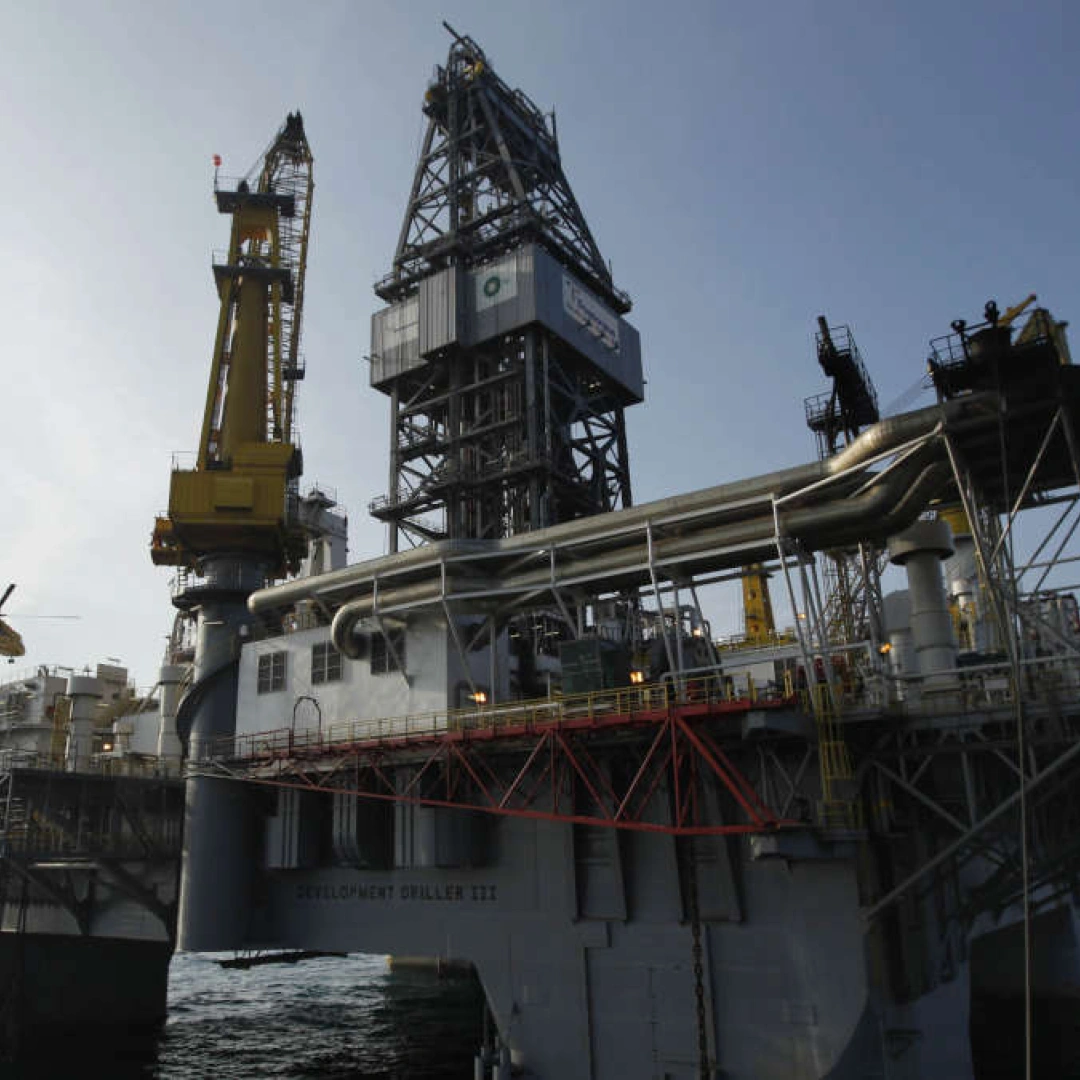
Nigeria’s crude oil production saw a slight increase in March 2026, confirming a gradual recovery in the energy sector of Africa’s largest oil producer. According to the latest monthly report from the Organization of the Petroleum Exporting Countries (OPEC), the country produced 1.38 million barrels per day (bpd) in March, compared to 1.31 million bpd in February, representing an increase of approximately 5.25%. Despite this improvement, Nigeria remains below its OPEC quota of 1.5 million barrels per day, accumulating a shortfall of approximately 117,000 bpd compared to its official target.
A Gradual but Fragile Recovery
The March increase follows a gradual resumption of upstream activities after years of production losses due to outages, sabotage, infrastructure problems, and the transition to private partnerships. OPEC estimates, which rely on both data submitted by Nigeria and secondary sources, show that production remains far below the target levels set by the government and the oil alliance.
According to energy intelligence providers, Nigerian production is slightly higher than the OPEC figure, at around 1.46 million barrels per day (bpd) in March, compared to 1.44 million bpd in February. Official data published on April 4 by the Nigerian Upstream Petroleum Regulatory Commission (NUPRC) even indicates production of approximately 1.84 million bpd of crude oil and condensates, while the Nigerian National Petroleum Company Limited (NNPCL) reports 1.71 million bpd, highlighting a discrepancy between the statistical series and the calculation conventions (crude oil vs. crude oil + condensates).
An OPEC Quota Not Yet Reached
The 1.5 million barrel per day (bpd) quota allocated to Nigeria under the OPEC+ alliance aims to stabilize global prices and prevent disorderly overproduction. For several years, Nigeria has been producing less than its quota, limiting its export revenues and straining public finances and foreign exchange reserves.
The country recorded a shortfall of approximately 117,000 bpd compared to its quota in March, reinforcing discussions on the need to strengthen infrastructure security, modernize mature fields, and improve data coordination among institutions (NUPRC, NNPCL, OPEC).
Economic and Budgetary Implications
Oil production remains a central pillar of Nigerian public finances, particularly for the fiscal ratio, export revenues, and the financing of foreign exchange reserves. By remaining below the OPEC quota, Nigeria leaves a margin of additional revenue “on the table” that could help alleviate pressure on public debt and the naira.
At the same time, the country remains the leading crude oil producer in Africa, notably ahead of Libya, whose production is estimated at around 1.3 million barrels per day (bpd) over the same period. This position gives it political weight in OPEC negotiations, even if its actual production capacity remains below its targets.
Outlook: Expected increase but structural obstacles
Industry officials, including the director general of the NNPCL, have estimated that Nigeria could increase its production by nearly 100,000 barrels per day in the coming months and aim for 1.8 million bpd by 2026, including condensates. However, this trajectory requires addressing structural constraints: pipeline sabotage, insecurity in the Niger Delta, a lack of investment in maintenance and modernization of facilities, as well as governance issues between public and private actors and local communities.
✍️ Want to contribute a high-value article?
Contact us for a guest post : [email protected]
Write to the editorial team