Fuel prices in Malawi have just increased by more than 40%, plunging the population further into an already severe cost-of-living crisis. The Malawi Energy Regulatory Authority (MERA) justifies this shock by the need to guarantee fuel supplies and preserve foreign exchange reserves depleted by years of artificially low prices.
A Sharp Increase at the Pump
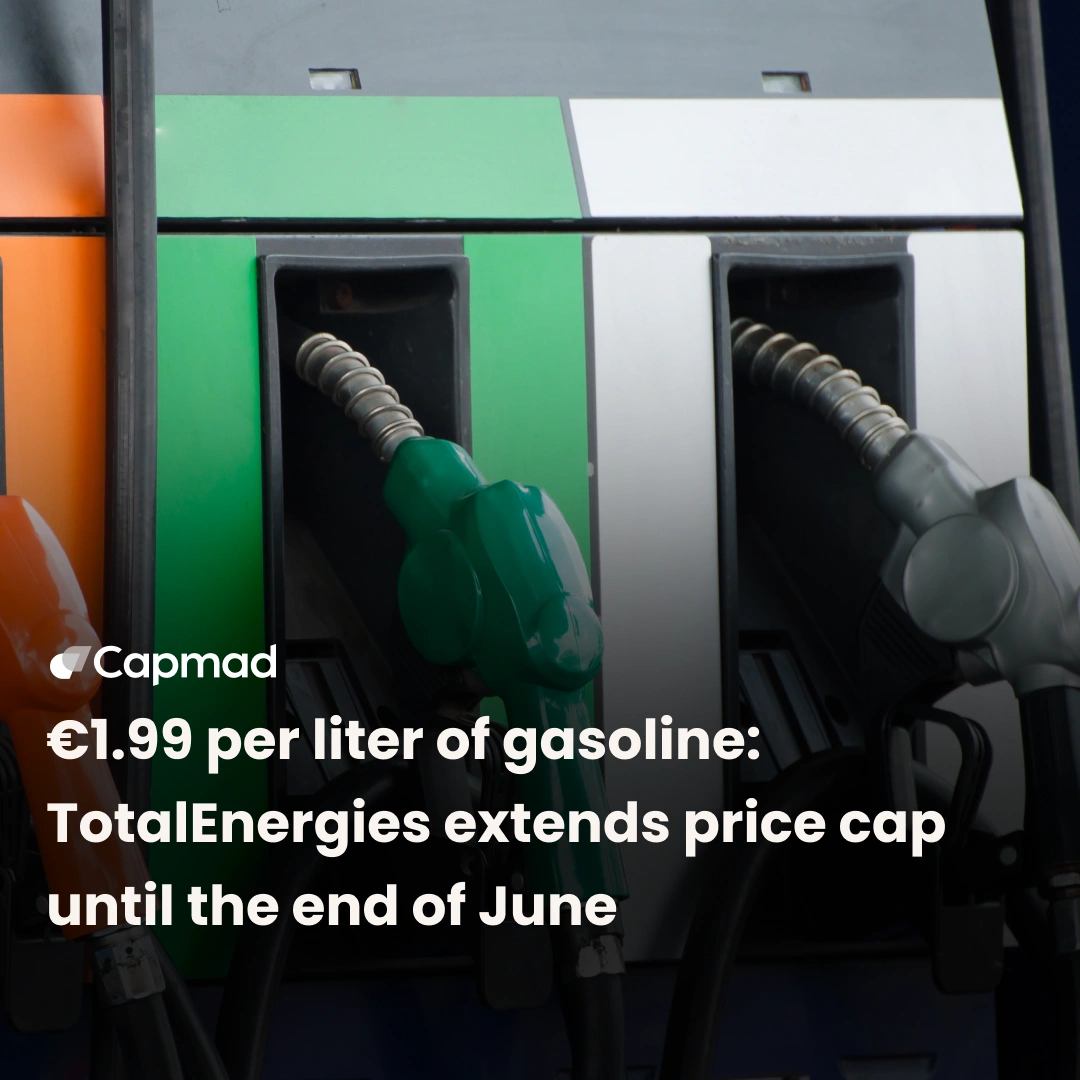
MERA announced that, as of January 20, 2026, gasoline and diesel prices have increased by more than 41%. This is the second sharp increase in four months, following a significant adjustment in October 2025.
- The price of a liter of gasoline has risen from approximately 3,499 kwacha to 4,965 kwacha, an increase of 41.9%.
- Diesel prices have jumped from 3,500 to 4,945 kwacha per liter, an increase of approximately 41.3%.
From a “fixed pricing policy” to an automatic mechanism
According to the regulator, this price surge is the result of a belated catch-up after several years of frozen or overly slow price adjustments by the previous government. MERA explains that the use of a fixed pricing system had caused significant losses for importers, prevented sufficient fuel imports, and blocked the funding of certain public funds.
- The abandonment of the Automatic Pricing Mechanism (APM) created a growing gap between actual import costs and prices at the pump.
- The current increase is accompanied by the reinstatement of a system of periodic price adjustments based on transportation costs, in order to prevent further shortages.
A country caught between shortages and inflation
Under the previous administration, fuel shortages, endless queues, and empty gas stations became a powerful source of public discontent. The new government asserts that more realistic prices are essential to guarantee fuel availability, but this adjustment comes at the cost of an immediate shock to households.
- MERA points out that artificially low prices have fueled smuggling and depleted foreign currency reserves needed for fuel imports.
- The authorities also link these adjustments to the need to release funds for road maintenance and rural electrification, which had been overdue.
A shockwave in the cost of living
For the population, this is not simply a technical increase, but a direct shock to all aspects of daily life. Diesel is central to public transportation, agriculture, electricity generation, and the transport of goods, which promises a cascade of price increases throughout the economy.
- Fares for minibuses and other public transport have begun to rise.
- Prices for basic necessities, building materials, and many services are expected to follow the same trajectory in a country where annual inflation was still exceeding 27% at the end of 2025.
Between financial imperatives and social anger
On the macroeconomic front, the government is attempting to rebuild the country’s credibility with lenders by renegotiating with the IMF, restructuring its debt, and replenishing its foreign exchange reserves. The normalization of fuel prices is part of this “true pricing” approach, but it clashes with an extremely fragile social reality.
- For the authorities and MERA, the adjustment is presented as a “necessary evil” to ensure a sustainable fuel supply and, ultimately, improve the quality of public services.
- For many Malawians, this increase of more than 40% feels more like an “assault on livelihoods,” as wages are stagnating and household budgetary flexibility is already exhausted.
✍️ Want to contribute a high-value article?
Contact us for a guest post : [email protected]
Write to the editorial team