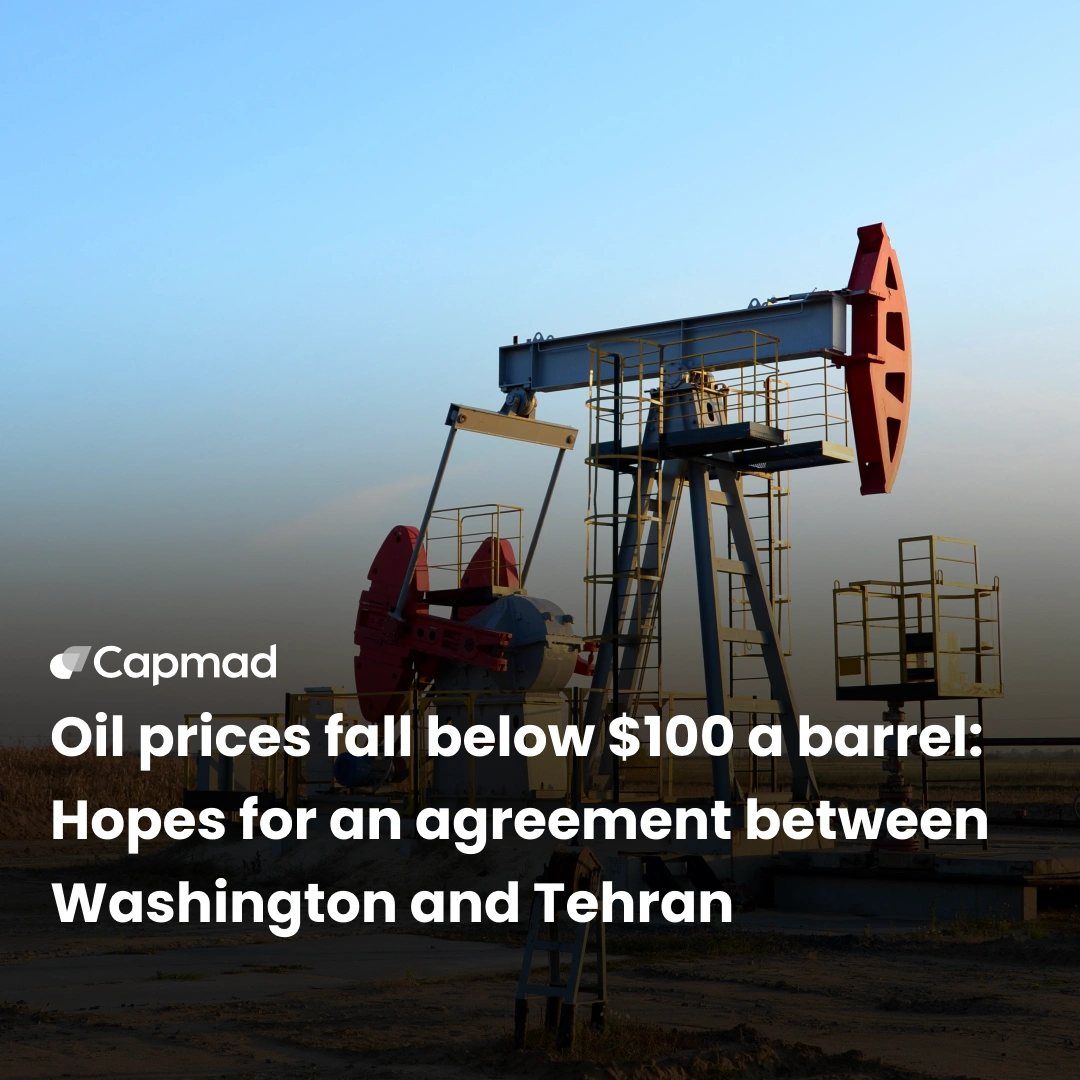
The price of European gas has jumped by more than 30% in just a few days, driven by tensions in the Middle East that are paralyzing LNG flows through the Strait of Hormuz and the shutdown of Qatari production. This surge closely follows the explosion in oil prices, which have climbed above $100, threatening the European economy already weakened by low inventories.
Crisis figures
Markets have experienced extreme volatility since the beginning of March 2026, with the Dutch TTF hub (the European benchmark) at the epicenter.
- TTF: +33% on Monday to €59.4/MWh, then a further +23% on Tuesday, reaching €60/MWh (levels not seen since 2023).
- European stocks: only 30% full at the end of February (vs. 62% in 2025), exacerbating vulnerability before the filling season.
- Impact on Qatar: 10-15% of EU imports affected by the suspension of QatarEnergy following Iranian drone attacks.
A chain reaction of geopolitical causes
This increase is not isolated but cumulative with the oil crisis: the blockade of the Strait of Hormuz (20% of global LNG) and Iranian threats to “burn” ships.
- Threats to the Strait of Hormuz are paralyzing oil tankers and LNG carriers, forcing a global rush on spot LNG.
- QatarEnergy is shut down at its key sites, depriving Europe of a stable source while Asia is driving up prices.
- Low post-winter stocks + spring replenishment demand: Europe was already strained before the conflict.
Policy Outlook and Responses
Analysts predict a sustained TTF of €50-60/MWh if disruptions last for weeks, far from the €340/MWh of 2022 but sufficient for stagflation.
- The G7 is discussing the release of strategic LNG reserves; diversification towards the US/Norway is accelerating.
- For Africa, the situation is urgent: gas-producing countries (Nigeria, Algeria) could capitalize on Asian/European price increases.
✍️ Want to contribute a high-value article?
Contact us for a guest post : [email protected]
Write to the editorial team