Between the oil boom fueling growth and persistent security and political instability, Moody’s maintains Niger in the very high risk zone with a Caa3 sovereign rating, one of the lowest on its scale.
A Caa3 Rating Reflecting Fragility
At the end of January 2026, Moody’s published the results of its periodic review of Niger’s financial situation, confirming the long-term Caa3 rating with a stable outlook.
This rating reflects a very high risk of default, linked to a deteriorating security environment, strained public finances, and a low repayment capacity, exacerbated by the 2023 default following post-coup ECOWAS sanctions.
Despite these vulnerabilities, the agency does not anticipate an immediate downgrade, recognizing the country’s economic resilience.
Oil Boom: Supporting Growth
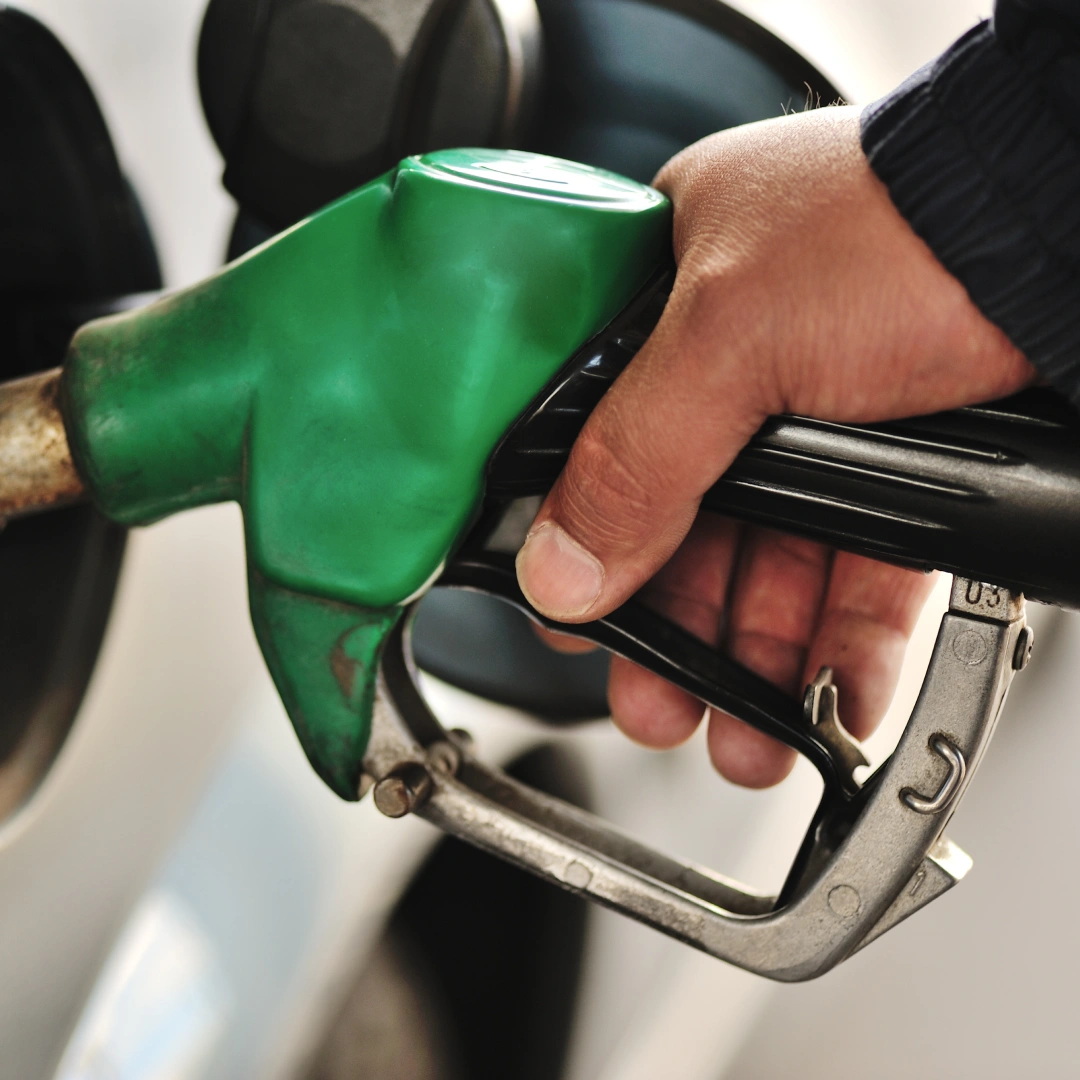
Niger’s economy is showing robust growth: over 10% in 2024 thanks to the start of oil exports, and around 6.6% expected in 2025. The current account deficit narrowed to 3.4% of GDP in 2025 (compared to 6% the previous year), driven by oil revenues that are improving the external position. The oil, uranium, and gold sectors offer significant potential, but their development remains hampered by political instability and operational risks.
Public Finances: Too Little Margin
Despite oil revenues, tax revenues represent only 11-12% of GDP, well below the WAEMU standard of 20%. The public deficit is projected to be close to 3% of GDP, but the state’s treasury is strained: dependence on costly regional loans and payment arrears amounting to 1.1% of GDP at the beginning of 2025.
Deprived of bilateral financing since the coup, Niger is struggling to refinance its debt, despite remaining in the WAEMU, which ensures the monetary stability of the CFA franc.
Instability: the Achilles’ heel
The attack at Niamey airport (January 2026) illustrates the persistent security risks that discourage foreign investment. The closure of the border with Benin and disputes in the oil and mining sectors exacerbate financial and commercial isolation.
Moody’s sees these tensions as a major obstacle to transforming oil revenues into inclusive and sustainable growth.
Outlook: Stable but Precarious
The stable outlook is based on continued oil exports, but Moody’s warns of vulnerabilities to climate, security, and commodity shocks.
- Possible improvement if: productive investments of oil revenues, recovery of uranium production, access to affordable financing.
- Risk of downgrade if: insecurity worsens, prolonged isolation occurs, or a financial relapse develops.
- For Niger, the challenge is clear: to transform the “oil boom” into a shield against instability, otherwise the country remains trapped in a very high-risk zone.