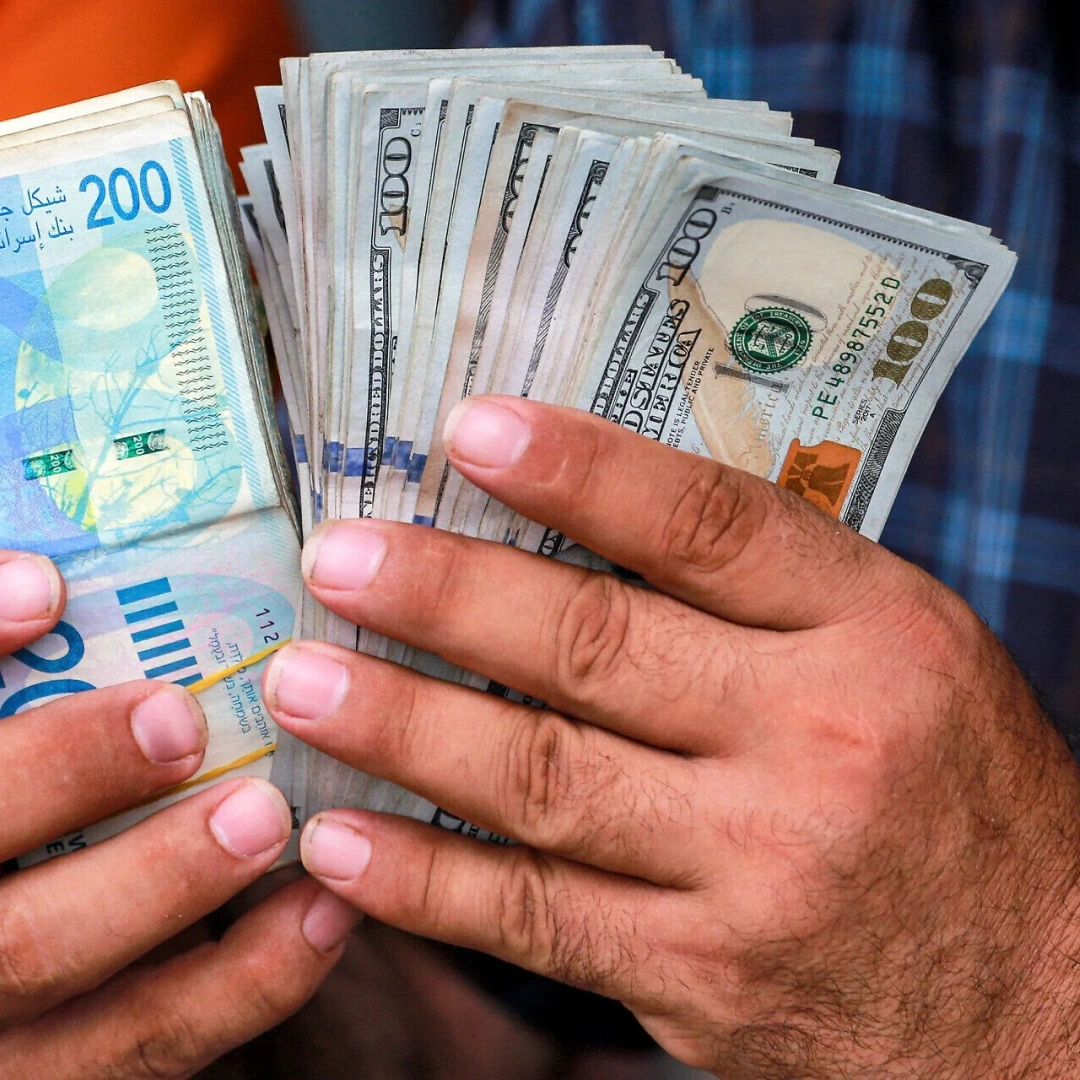
The Ghanaian cedi, one of the worst-performing currencies in 2024, achieved a spectacular recovery in 2025. This rise of approximately 30% against the dollar marks a decisive turning point for Ghana’s economy. Discover the key factors behind this development and its major consequences for the country’s purchasing power and financial stability.
A Difficult Year for the Cedi in 2024
In 2024, the cedi was one of the world’s worst-performing currencies, ranking fifth globally according to Bloomberg. This weakness negatively impacted the Ghanaian economy, particularly imports and consumer goods.
A dramatic recovery in 2025
In 2025, the trend reversed with a sharp appreciation of nearly 30% during the first half of the year. The exchange rate fell from 15.56 cedis to the dollar at the beginning of April to 10.28 cedis at the end of June, restoring confidence among economic actors.
Key factors driving the cedi’s appreciation
This recovery can be attributed to several factors, including the significant decline in the US dollar index (-11% in the first half of 2025) and targeted interventions by the Bank of Ghana, including a 490 million USD injection into the foreign exchange market. Foreign exchange reserves were also strengthened, reaching approximately 11 billion USD.
Reactions from financial authorities and outlook
The International Monetary Fund (IMF) has suggested the potential need to revise Ghana’s economic program in light of this sharp appreciation. Monetary authorities emphasize the careful planning behind this development, even though the long-term impacts remain uncertain.
Impact on the Ghanaian economy
This rebound of the cedi has contributed to the disinflation of imported goods, improving local purchasing power and stabilizing the economy. However, the authorities remain vigilant regarding potential side effects on the competitiveness of Ghanaian exports.