Kenya is quietly establishing itself as Africa’s capital of research in crop genome editing, a key sector of the rapidly growing agricultural biotechnology industry. In recent years, the country has made significant progress in using modern techniques such as CRISPR to improve crop yields, disease resistance, and adaptation to climate change, particularly for strategic crops like cassava, cotton, and bananas.
Kenya, a Pioneer in Genome Editing in Africa
Kenya has developed an advanced regulatory framework for genome editing, facilitating commercial research and trials. The Kenyan National Biosafety Agency (NBA) plays a major role by publishing specific guidelines for reviewing genome editing projects. Research is progressing on crops essential for food security and economic growth, with ongoing projects on genetically modified cassava resistant to drought and viral diseases, as well as on transgenic cotton, which has been commercially authorized since 2019.
Economic and agricultural impacts
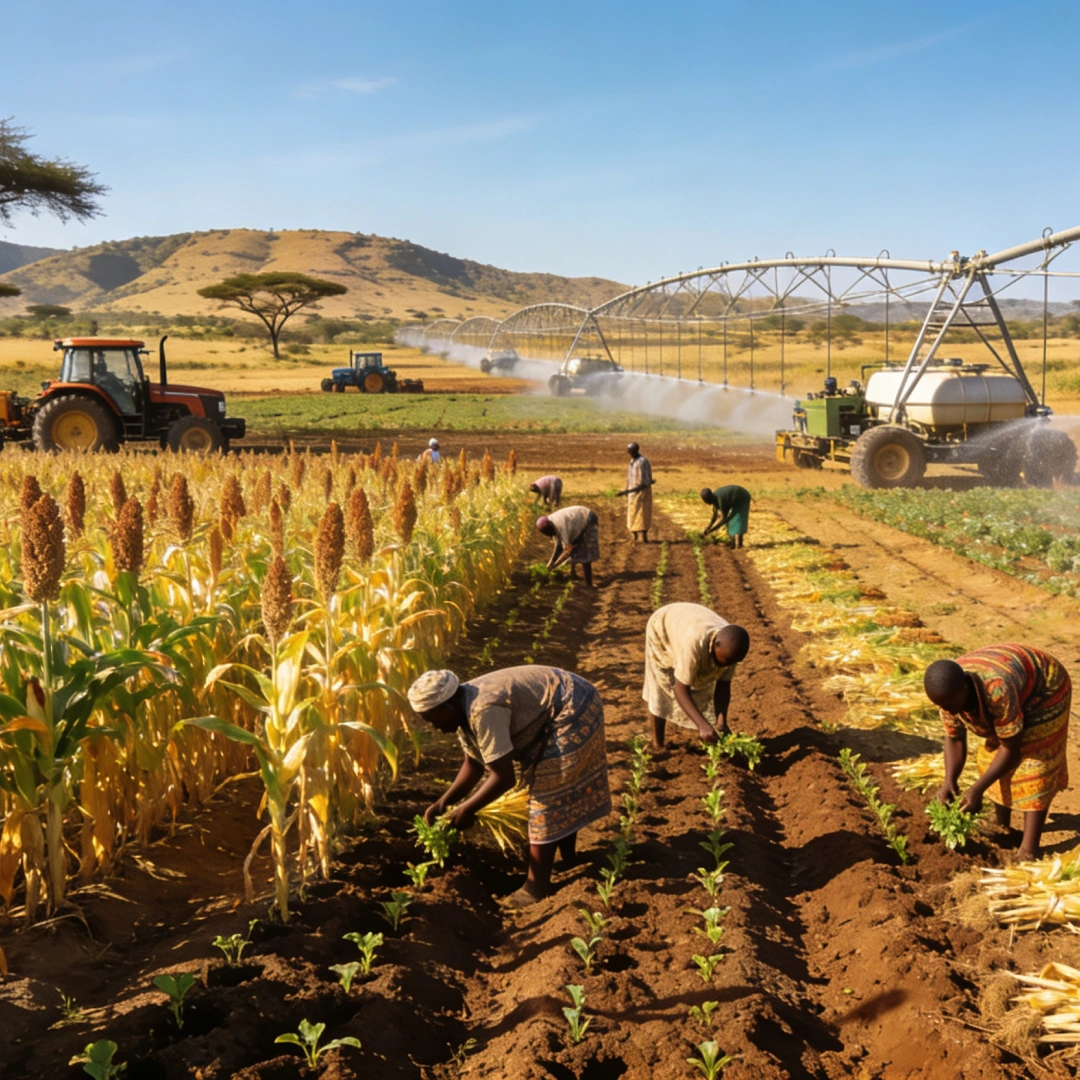
Cassava, the third largest crop in Kenya, is being targeted to boost production through genome editing, with varieties offering higher yields and reduced pesticide use. This progress represents a concrete response to climate and economic challenges, particularly in arid regions. Furthermore, genetically modified cotton, already commercially available, has demonstrated higher yields, contributing to revitalizing the Kenyan textile industry and strengthening regional food security.
Regulatory and social context
Despite these advances, the legal context remains sensitive; legal challenges by civil society organizations have suspended some government decisions on GMOs, citing health and environmental risks. Nevertheless, the research momentum and commitment of local scientific institutions demonstrate Kenya’s intention to master this sector and become a key regional leader in agricultural biotechnology.
Thus, by focusing on biotechnological innovation, Kenya is positioning itself as a strategic continental hub for research in crop genome editing, with significant potential to transform African agriculture in the face of 21st-century challenges.