At the end of May 2026 the African Development Bank (AfDB) released its latest report on African agriculture, placing integrated value chains at the center of the continent’s industrialization agenda.The chapter dedicated to strengthening inclusive value chains underlines that margins and jobs are now concentrated downstream, in processing, logistics and agriculture-related services.
“The new millionaires and billionaires of Africa will not come from the oil and gas industry, they will come from the food and agriculture sector.” — Akinwumi Adesina, President of the African Development Bank, AfDB
This strategic shift raises a central question for investors: which African agricultural value chains currently offer the most attractive profitability profiles, and under what conditions?
Where are profits concentrated in African value chains?
The AfDB’s Feed Africa strategy for 2016–2025 calls for investment in so-called climate-smart agricultural value chains, covering the full continuum from inputs and production to processing and distribution. In its 2023 Annual Report, the AfDB stresses that most value creation lies in downstream segments – processing, packaging, branding and logistics – rather than in unprocessed primary output.
According to Deloitte’s 2024 Africa Private Equity Confidence Survey, agriculture and agribusiness, alongside financial services, rank among the top target sectors for private equity funds across all major subregions, reflecting a strong perception of profitability potential.
The Fund for Export Development in Africa (FEDA), Afreximbank’s investment vehicle, explicitly targets food processing and agribusiness among the sectors offering both high development impact and attractive investment profiles, due in particular to deep domestic and regional demand. Specialised funds such as Agri-Vie, focused on food and agribusiness in Sub-Saharan Africa, have built their return thesis on the rise of downstream segments in agricultural value chains.
This alignment between public financiers and private equity is drawing a map of margin pools: profitability is shifting from fields to processing plants, logistics platforms and regional brands able to capture urban premiums.
Cocoa and cashew: value chains where processing is the game changer
The African Cashew Alliance notes that most cashew nuts grown in Africa are still exported raw to Asia for shelling and further processing, leaving the bulk of value added outside the continent. The World Bank highlights Côte d’Ivoire’s decision to make local cashew processing a national priority by supporting dedicated processing zones and improving plantation yields under a cashew value chain competitiveness project.
As early as 2018, the World Bank approved a 200 million dollar project to raise on-farm cashew productivity in Côte d’Ivoire and promote a local processing industry, at a time when the value of the country’s cashew exports was estimated at about 800 million dollars, already making the crop one of its main sources of foreign exchange.
For cocoa the same logic applies: the highest margins lie in industrial processing (liquor, butter, powder) and even more in finished products (chocolate, confectionery), segments that remain overwhelmingly located outside Africa despite West Africa’s share of global production. Public and private initiatives to relocate part of this processing – from agro-industrial zones to investments by regional groups – are gradually shifting the value curve toward producing countries.
The recent history of Ivorian cashew suggests that a coordinated strategy – agronomic support, infrastructure, and fiscal incentives for processing – can move a country from a pure volume play to an industrial margin model, with a multiplier effect on local employment and the resilience of export revenues.
Fresh fruit, oils and oilseeds: betting on regional markets and export niches
The World Economic Forum argues that agriculture holds exceptional potential to increase intra-African trade, notably through the development of agro-processing value chains, with the African Continental Free Trade Area (AfCFTA) helping reduce tariff barriers and harmonize standards.
Within this frame, three families of value chains stand out in terms of profitability potential:
- High-value fresh fruit (avocado, berries, citrus), where a combination of lucrative export markets and fast-growing urban demand opens attractive margins for integrated players in packing, cold chains and logistics.
- Vegetable oils and oilseeds (sustainable palm oil, soy, sesame, sunflower), where local processing into edible oils, margarines or industrial ingredients captures far more value than exporting raw seeds.
- Specialty and niche crops (spices, superfoods, natural ingredients), where the ability to guarantee traceability and quality (certifications, sustainability) justifies higher prices.
Afreximbank’s 2023 Trade Development Effectiveness Report showcases integrated agricultural groups supported by the bank, including a conglomerate operating in around 15 African countries with several oilseed processing plants, underlining the priority given to upgrading oils and grains value chains.
In fruit, profitability does not come solely from exports to Europe or the Gulf. The real leverage lies in the ability to switch between markets: serving regional hubs when international prices turn, or building local brands of juices, snacks and ready-to-eat fresh products for Africa’s middle classes.
Who captures the value: processors, logisticians and digital platforms
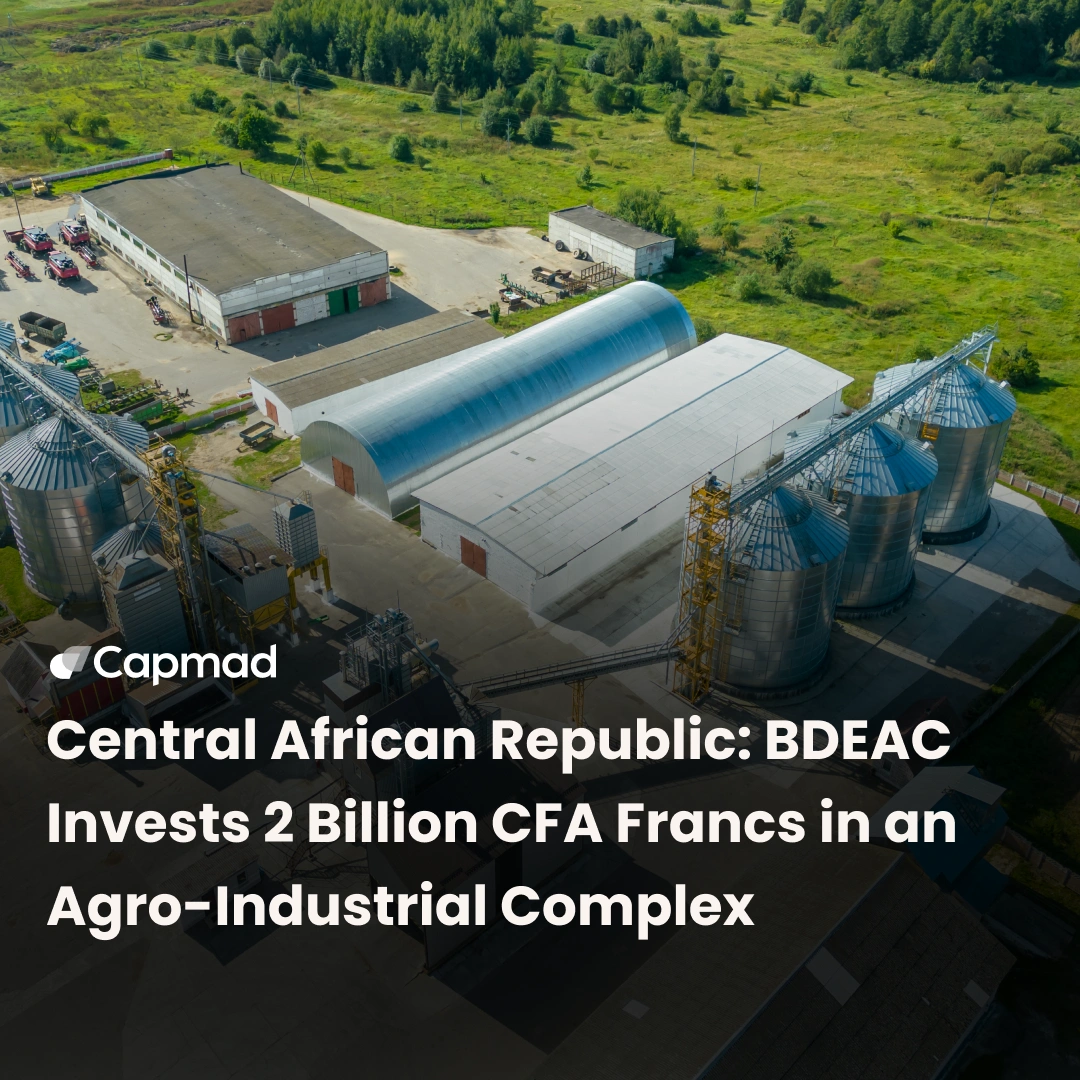
In several public speeches, AfDB President Akinwumi Adesina has argued that Africa needs full value chain approaches with a focus on Special Agro-Industrial Processing Zones to concentrate investment in processing, infrastructure and logistics around production basins. The AfDB presents these Special Agro-Industrial Processing Zones as platforms designed to attract agro-industrial companies, lower logistics costs and pool services (energy, certification, laboratories), all of which directly improve processor margins.
The World Economic Forum also points to international fertiliser and beverage companies that have progressively relocated parts of their value chains to Africa – blending, packaging, distribution – through partnerships with local suppliers and in anticipation of AfCFTA-driven market integration. Investment vehicles such as Africa Eats, listed in Mauritius and investing in food production, animal feed and logistics across several African countries, illustrate the growing appeal of integrated models combining processing, cold chains and distribution.
These cases share a common pattern: the most resilient margins are not in simple trading of raw commodities but in the ability to control a few decisive links – processing, logistics, market access – while securing volumes through structured relationships with smallholders.
Alongside this, digital platforms brokering crops such as sorghum, cocoa or oil palm are trying to capture value through standardised transactions, smallholder credit scoring and access to finance, adding another layer of potential profitability on the service side of value chains.
What conditions are needed to keep these value chains profitable?
The AfDB’s 2026 agriculture report stresses that strengthening inclusive value chains requires coordinated investment in rural infrastructure, energy for processing, farmer advisory services and market institutions; without these, productivity gains will do little for smallholders. The previous edition of the same report had already noted that expanding processing activities sharply increases demand for reliable energy and efficient logistics, which in turn condition the profitability of agro-industrial projects.
The World Economic Forum highlights AfCFTA’s role in cutting transaction costs – tariffs, customs paperwork, non-tariff barriers – and thereby improving the competitiveness of African processed products on regional markets, a key factor for sustaining margins on items such as oils, dairy or snacks. Comparative work on agricultural value chains also underscores that success depends on a stable institutional environment, sustained public investment in research and rural infrastructure, and the reduction of frictions along the chain (corruption, roadside controls, land insecurity).
For investors, Africa’s most profitable agricultural value chains are therefore those where four conditions converge: competitively priced raw material supply, basic infrastructure (energy, roads, storage), a predictable regulatory and trade framework – including effective regional integration – and support ecosystems (finance, certification, farmer services). Where these preconditions are met, processed cocoa and cashew, vegetable oils, packed fresh fruit and agro-industrial ingredients offer a margin and growth profile that is hard to match in other segments.
Key takeaways
- Profits in African agribusiness are shifting from farms to processing, logistics and services along value chains.
- Ivorian cashew and West African cocoa show the margin potential of local processing and agro-industrial zones.
- Fresh fruit, vegetable oils and niche crops are becoming prime investor targets, especially where operators can arbitrage between regional and export markets.
- Integrated models combining secure supply, processing, logistics and distribution capture the most stable share of value.
- The profitability of these chains hinges on infrastructure, governance quality and how effectively AfCFTA lowers barriers to regional trade.