Morocco and China have just decided to elevate their agricultural and water partnership to a higher level, with a focus on food security and water management in the face of climate change. This development builds on a long-standing cooperation between the two countries in the fields of agriculture, irrigation, and agronomic research.
An Agreement in a Context of Water Stress
The strengthening of cooperation comes at a time marked by water scarcity and the growing impact of climate change on Moroccan agriculture. Both countries emphasize water security and food sovereignty as shared strategic priorities, defining water as a central lever for economic stability and sustainable development.
The Main Areas of Cooperation
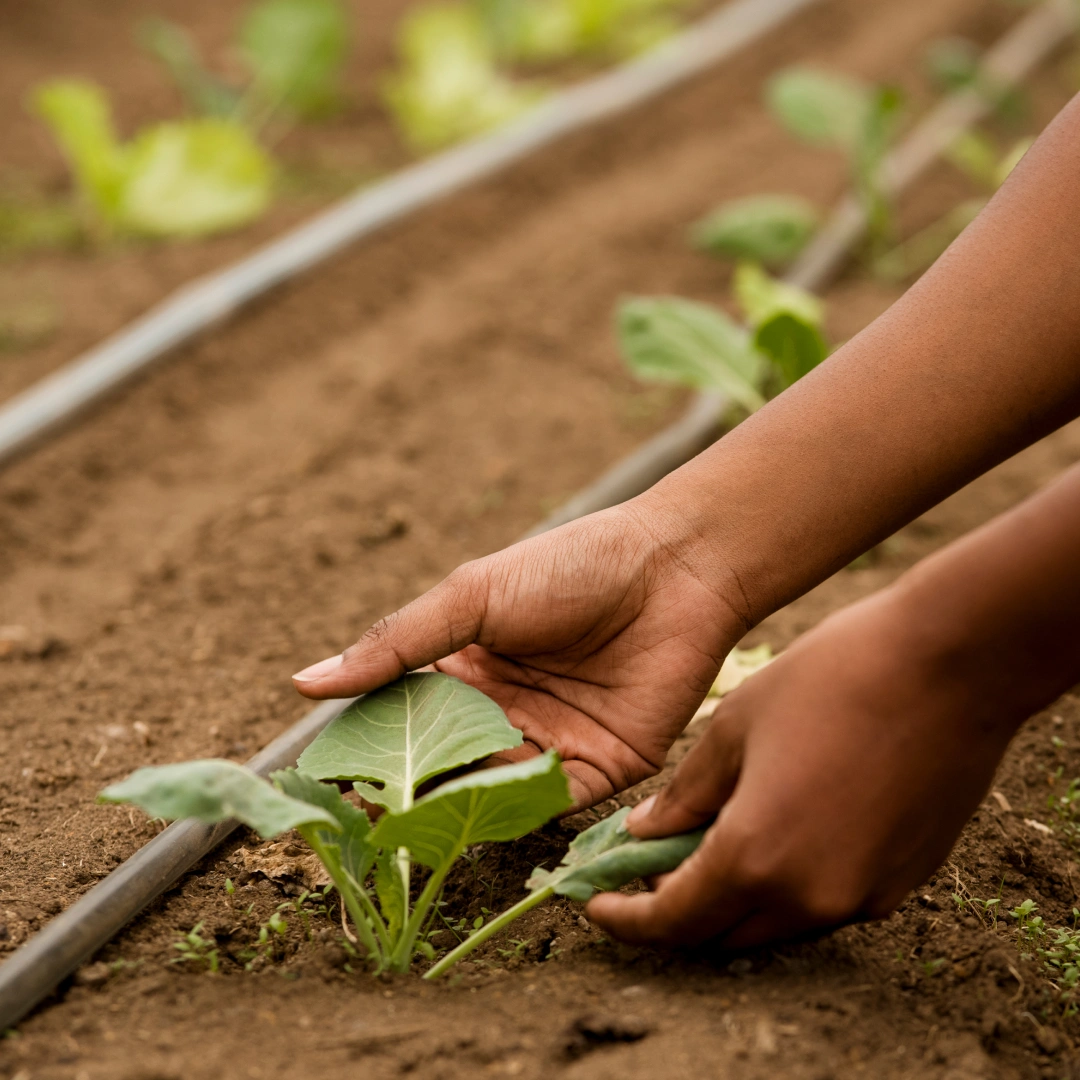
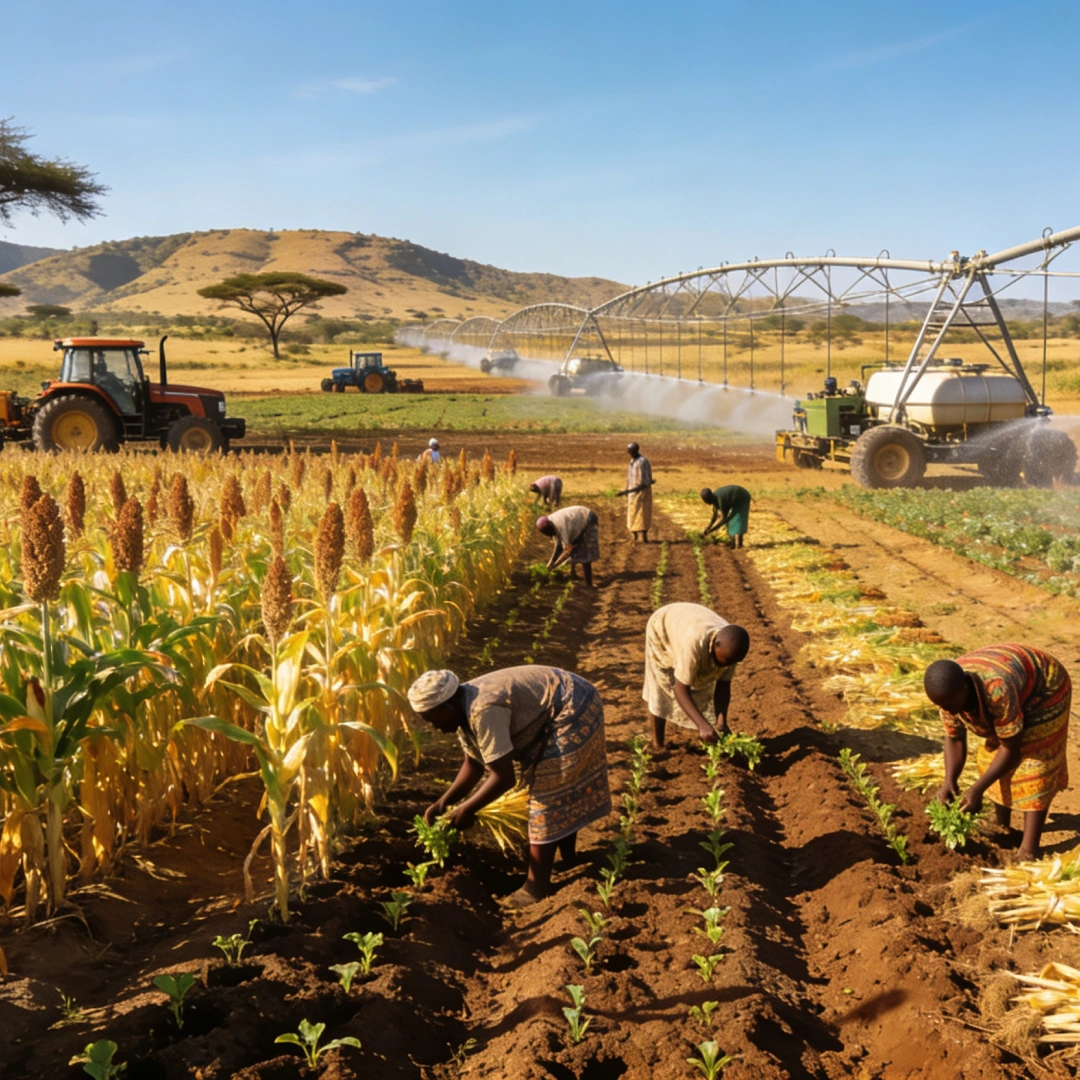
The new dynamic focuses on several key areas: sharing expertise, transferring irrigation and desalination technologies, and improving water resource management between basins. It also builds upon existing projects, such as modern irrigation projects, the development of non-conventional water resources, and sanitary and phytosanitary measures related to agricultural trade.
Technology, Innovation, and Agronomic Research
Moroccan and Chinese officials emphasize the central role of agronomic research and the modernization of production techniques in this partnership. Cooperation notably covers the digitalization of agriculture, improved yields through innovation (seeds, inputs, precision irrigation), and the development of human and institutional capacities.
An African Dimension
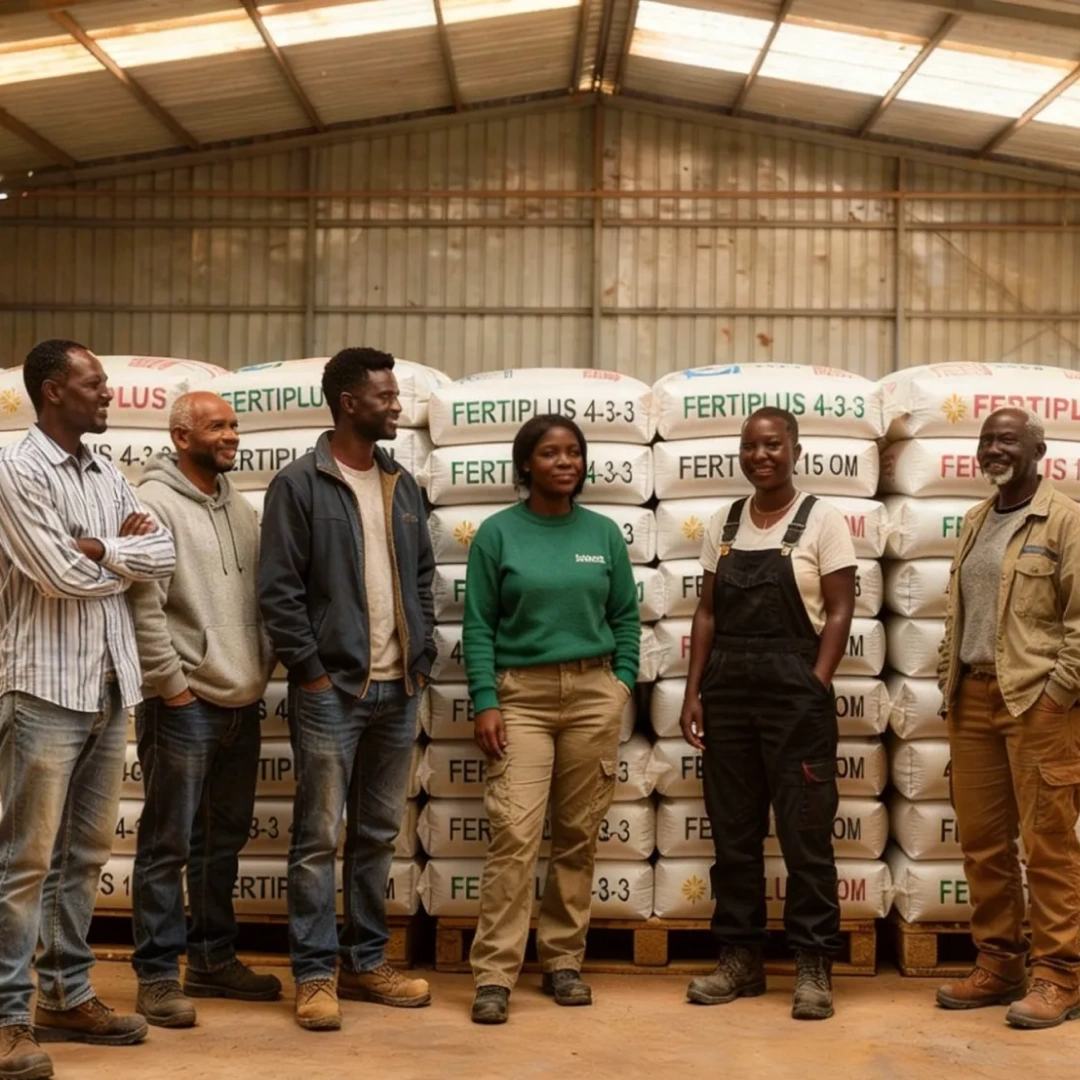
Beyond the bilateral framework, Rabat and Beijing plan to leverage this partnership to support other African countries facing similar challenges in food and water security. Morocco, leveraging its continental roots and expertise in fertilizers and irrigation, is positioning itself as a platform for South-South cooperation, while China contributes technological capabilities and experience in large-scale agriculture.
Economic Stakes and Investment Opportunities
Strengthening agricultural cooperation paves the way for new investment projects, both in water infrastructure (desalination, irrigation networks) and in agri-food value chains. Ultimately, these projects should help secure the domestic market supply, boost Moroccan agricultural exports, and create opportunities for businesses in both countries, particularly in the agri-food industry and water-related services.
✍️ Want to contribute a high-value article?
Contact us for a guest post : [email protected]
Write to the editorial team