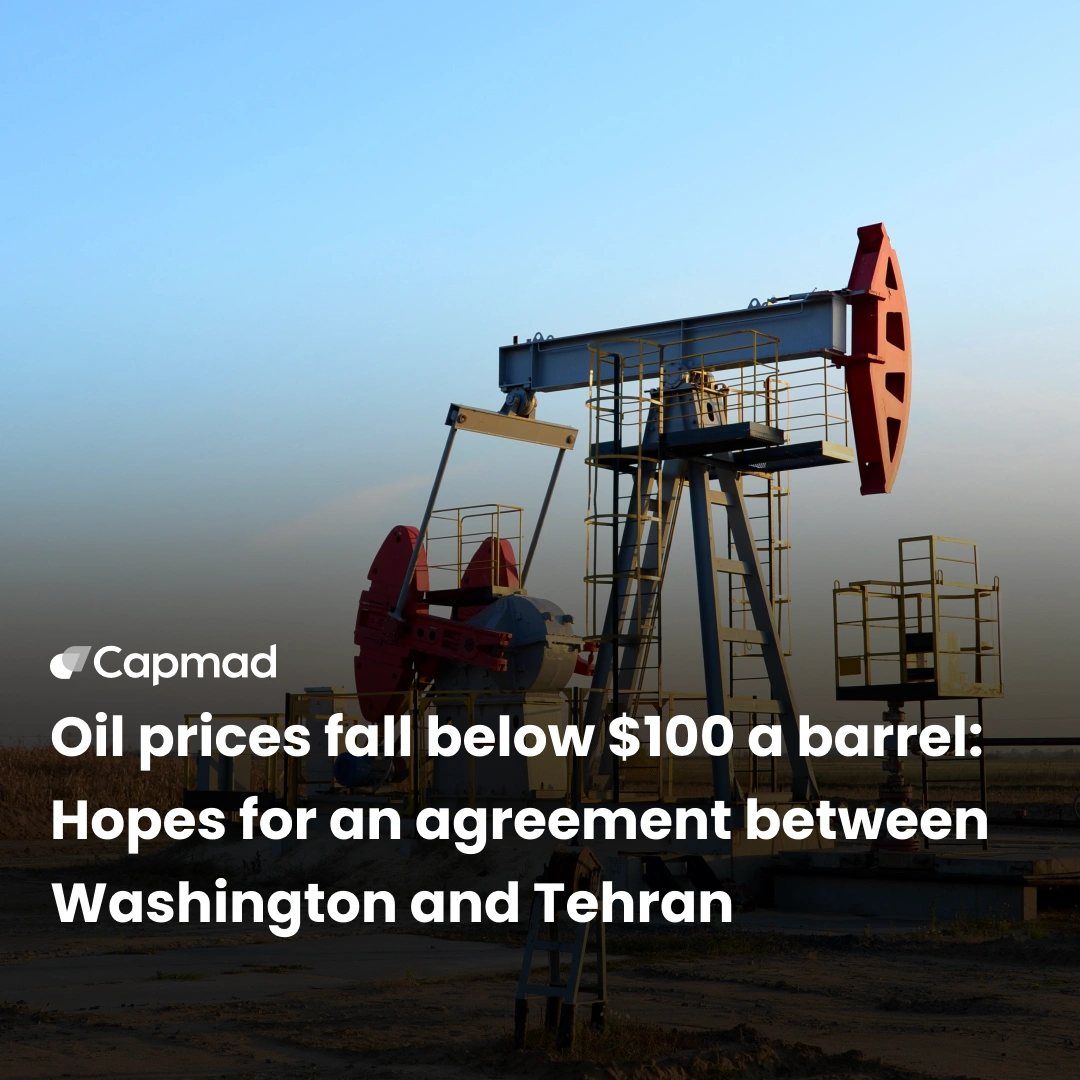
The price of a barrel of oil crossed the symbolic $100 mark this week, reaching levels not seen since 2022 due to geopolitical tensions in the Middle East.
Key Figures of the Surge
Brent and WTI crude prices surged on Monday, March 9, 2026, in Asian markets, driven by massive supply disruptions.
- Brent: +17.28% to $108.71 (peak at $117), representing a 90% increase since January ($61).
- WTI: +16.19% to $105.62 (reaching $120 intraday), after a 35% gain over the past week.
These levels, the highest since the summer of 2022, reflect an extreme risk premium linked to the regional conflict.
Main Geopolitical Causes
The price increase is explained by a series of cumulative shocks in the Middle East, disrupting 20% of global oil consumption via the Strait of Hormuz.
- Voluntary supply cuts by major OPEC+ producers exacerbated tensions.
- A 70% drop in southern Iraqi production (1.3 million barrels per day) and the blockage of exports via Hormuz.
- Iranian attacks on Gulf infrastructure and shipping lanes, with threats of a complete halt to regional exports.
Analysts are predicting a risk of $150 per barrel if the strait remains closed for even a few days.
Market Outlook and Reactions
Prices edged back slightly at the end of trading on Monday following signals from the G7 regarding a possible release of strategic reserves. For economists, this volatility underscores the urgency of the energy transition in Africa, where producing countries could reinvest windfalls in mining and renewable energy.
Monitor the OPEC+ negotiations and the evolution of the conflict: a status quo would keep prices above USD 100 for an extended period.
✍️ Want to contribute a high-value article?
Contact us for a guest post : [email protected]
Write to the editorial team