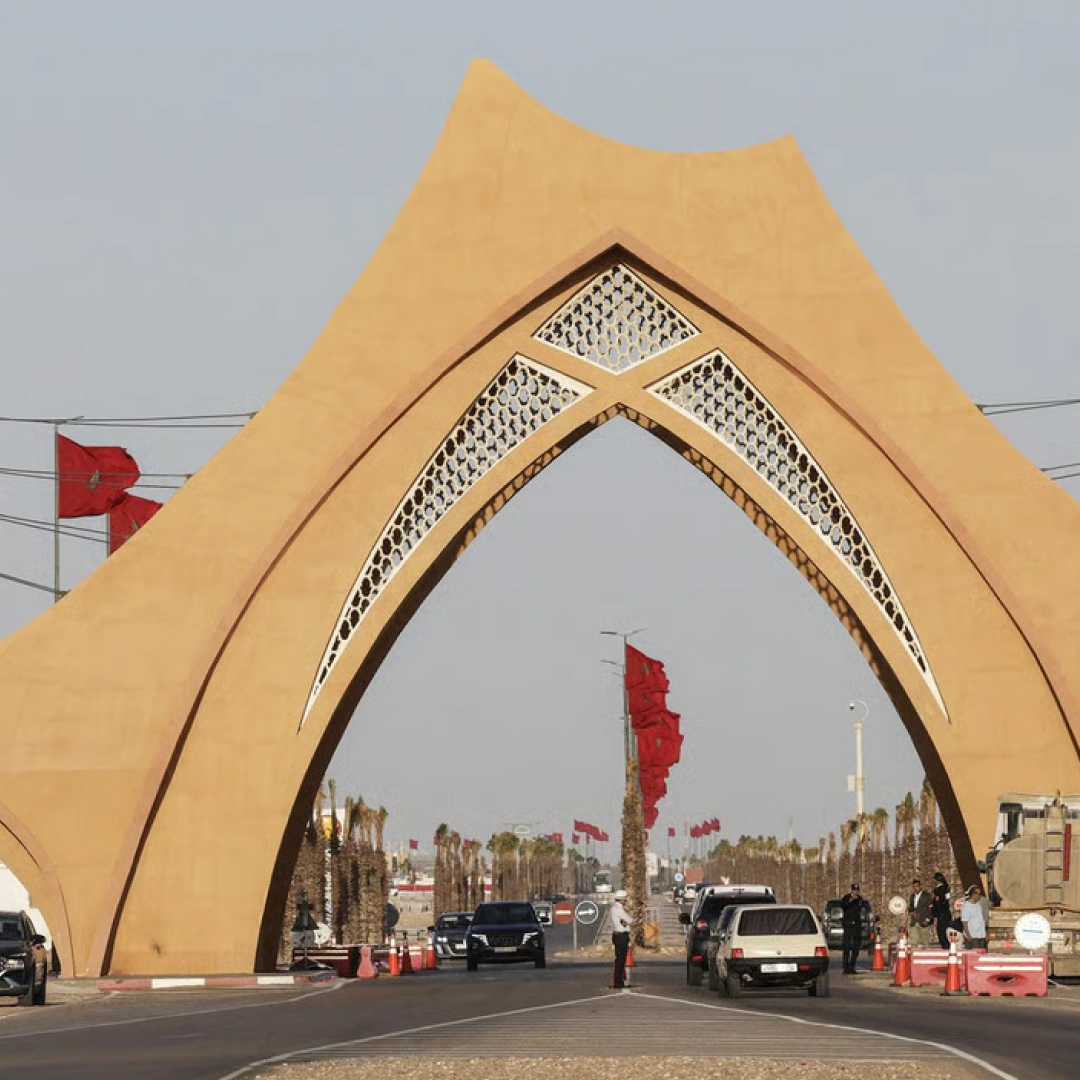
Morocco and Senegal have just given new impetus to their strategic partnership by signing some fifteen cooperation agreements and memoranda of understanding in Rabat, during the 15th Joint High Commission meeting held on January 26 and 27, 2026. Beyond the symbolic gesture, this package of agreements covers key sectors such as agriculture, industry, SMEs, higher education, infrastructure, employment, and digital technology, with the stated ambition of moving from a historical relationship to a much more operational economic partnership.
A Joint Commission Serving an “Exemplary” Partnership
The Rabat session, chaired on the Senegalese side by Prime Minister Ousmane Sonko, provided an opportunity to review the state of bilateral cooperation and broaden its scope. Both sides emphasize the “solid and exemplary” nature of their long-standing relationship, which this new framework aims to adapt to current economic priorities.
- According to various sources, a total of 15 to 17 legal instruments (agreements, protocols, memoranda) have been signed, reflecting a commitment to strengthening sectoral cooperation.
- The Joint High Commission, which had not met at this level for several years, has been relaunched as the central steering body for the Morocco-Senegal partnership.
Agriculture, industry, and SMEs are at the heart of the framework
A significant portion of the agreements aims to structure business-to-business cooperation and bring the two countries’ productive ecosystems closer together. Rabat and Dakar intend to promote cross-investment, the co-location of industrial units, and the transfer of know-how, particularly in agribusiness, agricultural value chains, and SMEs.
- Protocols address the development of industrial zones and clusters, as well as support for small and medium-sized enterprises, with a focus on youth employment.
- Agriculture and agribusiness are among the priorities: sharing Moroccan expertise (irrigation, fertilizers, value chain development) and supporting Senegal in strengthening its food security.
Higher Education, Training, and Talent Mobility
Another set of agreements concerns higher education, research, and academic mobility. The two countries have signed a two-year implementation program to intensify student exchanges, joint degrees, and joint research projects.
- The agreement provides for increased scholarships and places in Moroccan universities and schools for Senegalese students, and the development of partnerships between institutions.
- Vocational and technical training is also targeted, with the objective of skills development in strategic sectors (industry, construction, digital technology, and health).
Infrastructure, Digital Technology, and the Knowledge Economy
Infrastructure, the digital economy, and services are also on the agenda for this new phase of the partnership. Morocco, which is establishing itself as a regional logistics and digital hub, is positioning itself as a technical partner to support Senegalese projects in transportation, telecommunications, and digital platforms.
- Memoranda of understanding cover cooperation in the digitalization of public services, the promotion of the digital economy, and the exchange of expertise between agencies and ministries.
- Infrastructure (roads, ports, energy) remains a pillar of the relationship, with the prospect of joint consortia on public and public-private partnership (PPP) projects.
A Strengthening South-South Partnership
For both Rabat and Dakar, this “update” of the partnership illustrates a clear vision of South-South cooperation: less about simple political solidarity, more about economic integration, cross-investment, and the co-creation of African value chains.
- Senegal sees Morocco as a partner capable of supporting its industrialization, services, and project financing, while diversifying its alliances beyond traditional partners.
- Morocco, for its part, is consolidating its presence in Francophone West Africa, where its banks, insurers, telecom operators, and industrial companies already have a strong foothold.
Beyond press releases, the credibility of this “new chapter” will hinge on one key point: the ability to transform these agreements into concrete, visible projects on the ground that create jobs and added value on both sides of the African Atlantic.
✍️ Want to contribute a high-value article?
Contact us for a guest post : [email protected]
Write to the editorial team