For West African coastal states, structuring this sustainable blue economy addresses a dual imperative: securing the livelihoods of communities that depend on the sea and protecting natural capital threatened by overfishing, erosion, and warming waters. Success will depend on the ability to link public policies, financial innovations, and technical support to foster a network of viable blue businesses, from Cape Verde to the Gulf of Guinea.
What is the blue economy in West Africa?
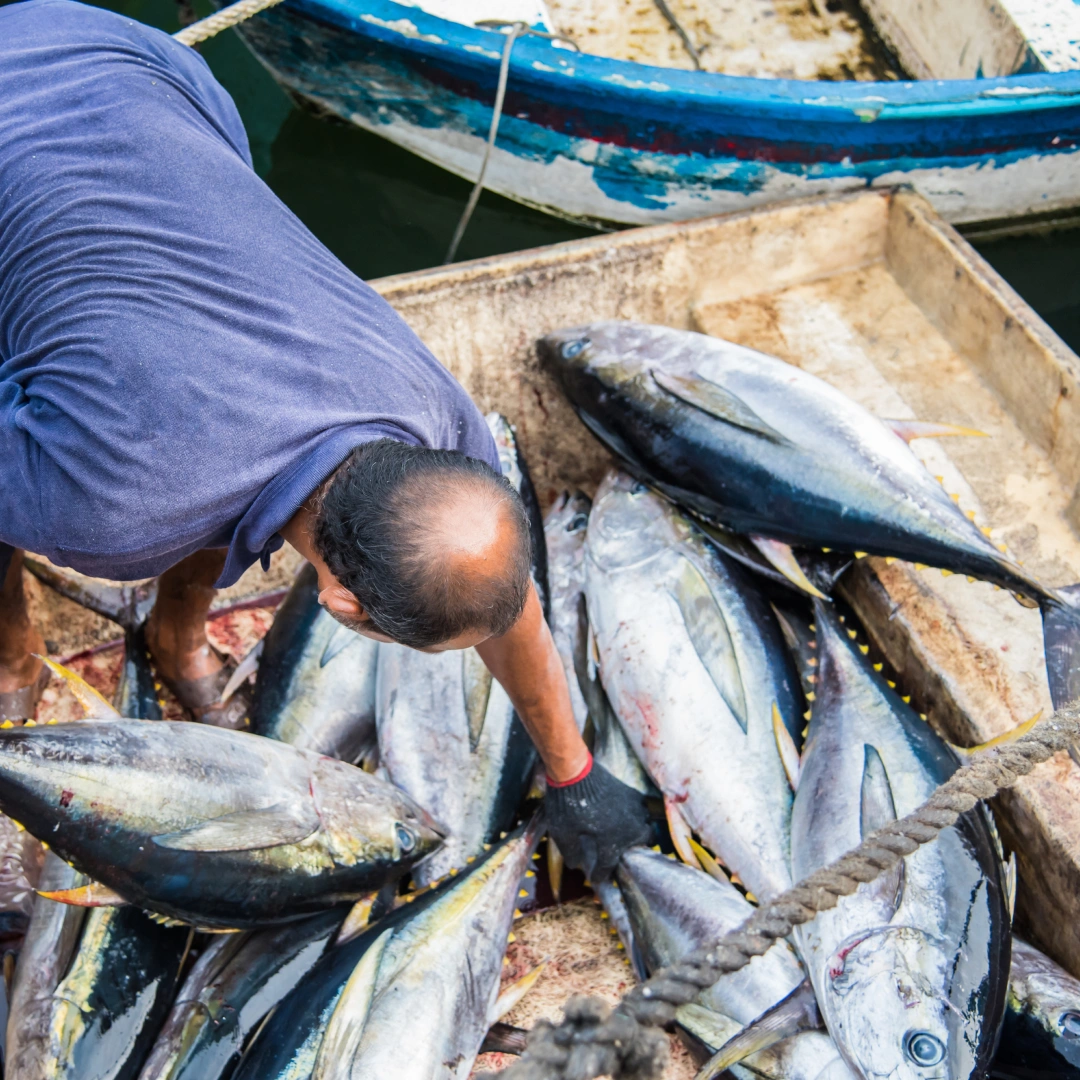
The “blue economy” refers to all economic activities linked to the sea and coastal areas: fishing, aquaculture, maritime transport, seaside tourism, marine energy, and also ecosystem conservation. In West Africa, it is now seen as a lever for sustainable growth, job creation, and resilience to climate change, rather than simply a reservoir of resources to be exploited.
Cape Verde, a laboratory for “blue bonds”
A small island nation heavily dependent on the sea, Cape Verde has positioned itself as a pioneer by adopting “blue bonds,” bonds dedicated to financing sustainable ocean projects. These instruments channel private and public capital toward responsible coastal tourism, fishing, seafood processing, and aquaculture, while reassuring banks about the economic viability of these sectors.
The key role of BOAD in green and blue finance
The West African Development Bank (BOAD) has integrated the blue economy into its strategy for greening its financing, with the goal of increasing the share of climate projects in its portfolio. Its investments notably cover port infrastructure, coastal protection works, and projects classified as “green” or “blue,” based on increasingly strict eligibility and climate impact criteria.
Structuring locally adapted financial products
To ensure that the blue economy truly benefits local stakeholders (SMEs, fishing cooperatives, micro-enterprises), institutions like Expertise France are working to design appropriate financial structures within the framework of the European program dedicated to the oceans in West Africa (WASOP). The challenge is to transform existing credit lines—for example, those already dedicated to sustainable agriculture—into products specifically geared towards blue projects, in conjunction with national and commercial banks and microfinance institutions.
The ECOWAS Bank for Investment and Development (EBID) as a link between international funds and the field
The ECOWAS Bank for Investment and Development (EBID) acts as an intermediary by raising funds from major multilateral institutions and then injecting them into national banking systems. The idea is to “blue-ize” certain lines of financing in order to amplify the impact of international funds, by tangibly improving access to credit for coastal project developers in West African countries.
A regional coalition to mobilize billions
At the end of November, several West African banks joined the Finance in Common (FiCS) Ocean Coalition, with the ambition of mobilizing several billion dollars to support a sustainable blue economy. This collective effort aims to align the region’s public financial institutions around common objectives of ocean protection, the development of resilient coastal infrastructure, and support for maritime sectors that create jobs.