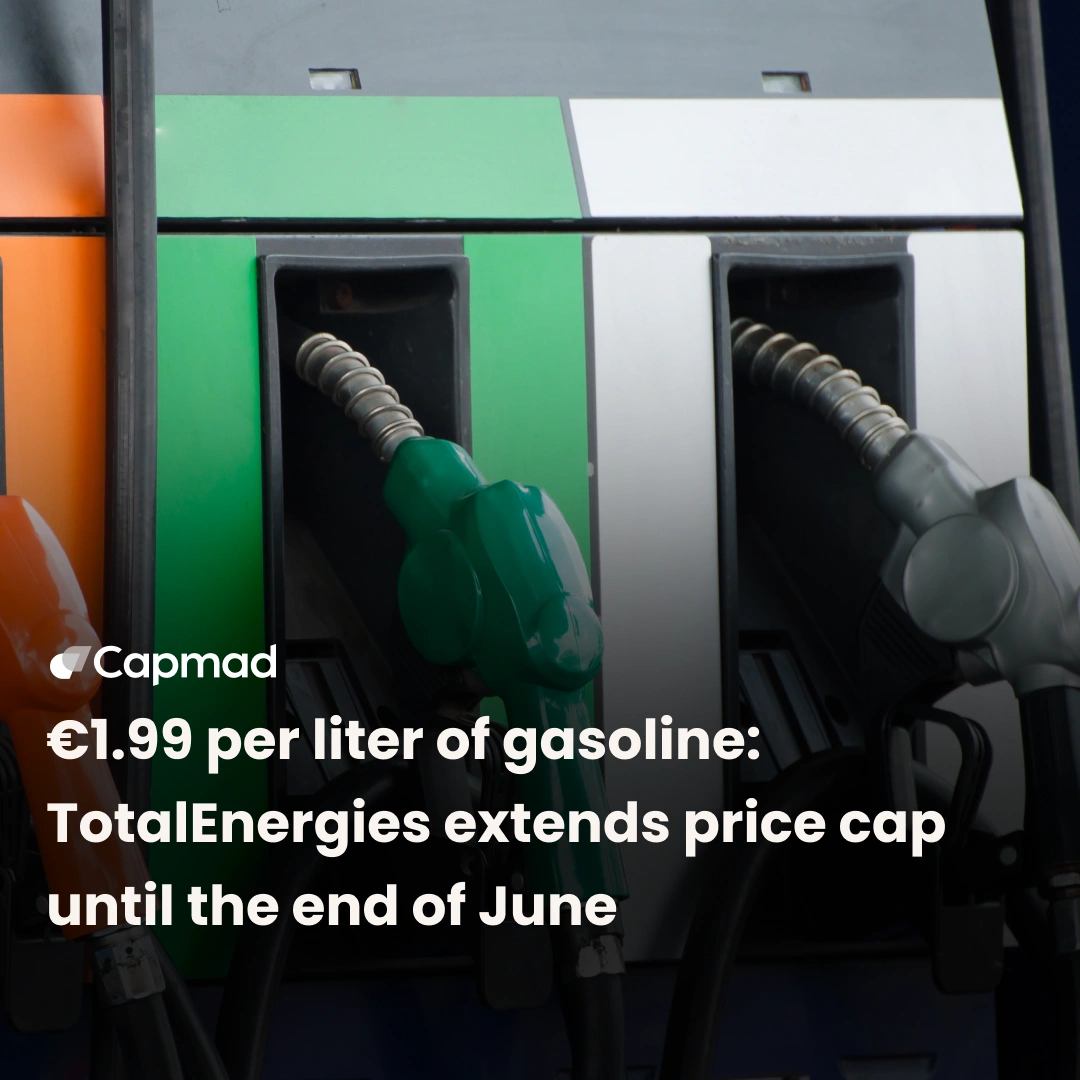
Prime Minister Ousmane Sonko announced, during the installation of the steering committee of the National Social Stability Pact for Inclusive and Sustainable Growth, measures to reduce the prices of electricity, gasoline, and diesel in Senegal. This announcement comes amid strong social pressure on energy costs, which is weighing on household purchasing power and business competitiveness.
Measures Announced by the Government
The reduction in energy prices applies to both electricity and petroleum products, including gasoline and diesel. These measures are part of the National Social Stability Pact, signed in May 2025 between the government, unions, and employers’ organizations, with the aim of stabilizing the social climate and revitalizing the economy. The steering committee, established on October 26, 2025, will be tasked with overseeing the implementation of these decisions and their impact on the daily lives of Senegalese people.
Prospects for a Reduction in Electricity Tariffs
Senelec’s CEO, Pape Toby Gaye, stated that a real decline in the cost of electricity production could be seen starting in 2028 or even 2029, depending on the modernization of the sector and cost management. However, tariff setting remains subject to the Energy Sector Regulatory Commission (CRSE), which takes into account the country’s social and economic realities. Currently, nearly 1.3 million Senelec customers pay less than 15,000 CFA francs per month for their electricity consumption.
Impact on Households and Businesses
Lower energy prices are expected to have a direct impact on household purchasing power and the competitiveness of Senegalese businesses. Households, particularly those in rural areas, could benefit from better access to electricity, while businesses could reduce their production costs and improve their profitability. Solar panel prices, which have already fallen significantly by 2025, are also reinforcing the transition to more sustainable and accessible energy solutions.
Challenges and Outlook for the Energy Sector
Despite these announcements, the Senegalese energy sector continues to face structural challenges, including production cost management, electricity grid coverage, and the need for tariff reforms tailored to different social groups. The government is focusing on developing renewable energy, converting power plants to local gas, and expanding the electricity grid to achieve its long-term objectives.
A step toward social stability and inclusive growth
The decline in energy prices in Senegal represents a major step forward in the policy of social stability and economic recovery. While the immediate effects will be limited, the medium- and long-term outlook is encouraging, provided that the reforms are accompanied by transparent and responsible management of energy resources. Households and businesses are now awaiting the implementation of these measures to fully assess their impact on their daily lives and economic development.
✍️ Want to contribute a high-value article?
Contact us for a guest post : [email protected]
Write to the editorial team