The fuel shortage in Mali is causing a major crisis impacting all essential sectors of the country. This supply disruption is paralyzing transportation and industry, and worsening the daily lives of the population. This article examines the causes, consequences, and challenges to overcome in order to halt this economic paralysis.
The Origins of the Fuel Shortage in Mali
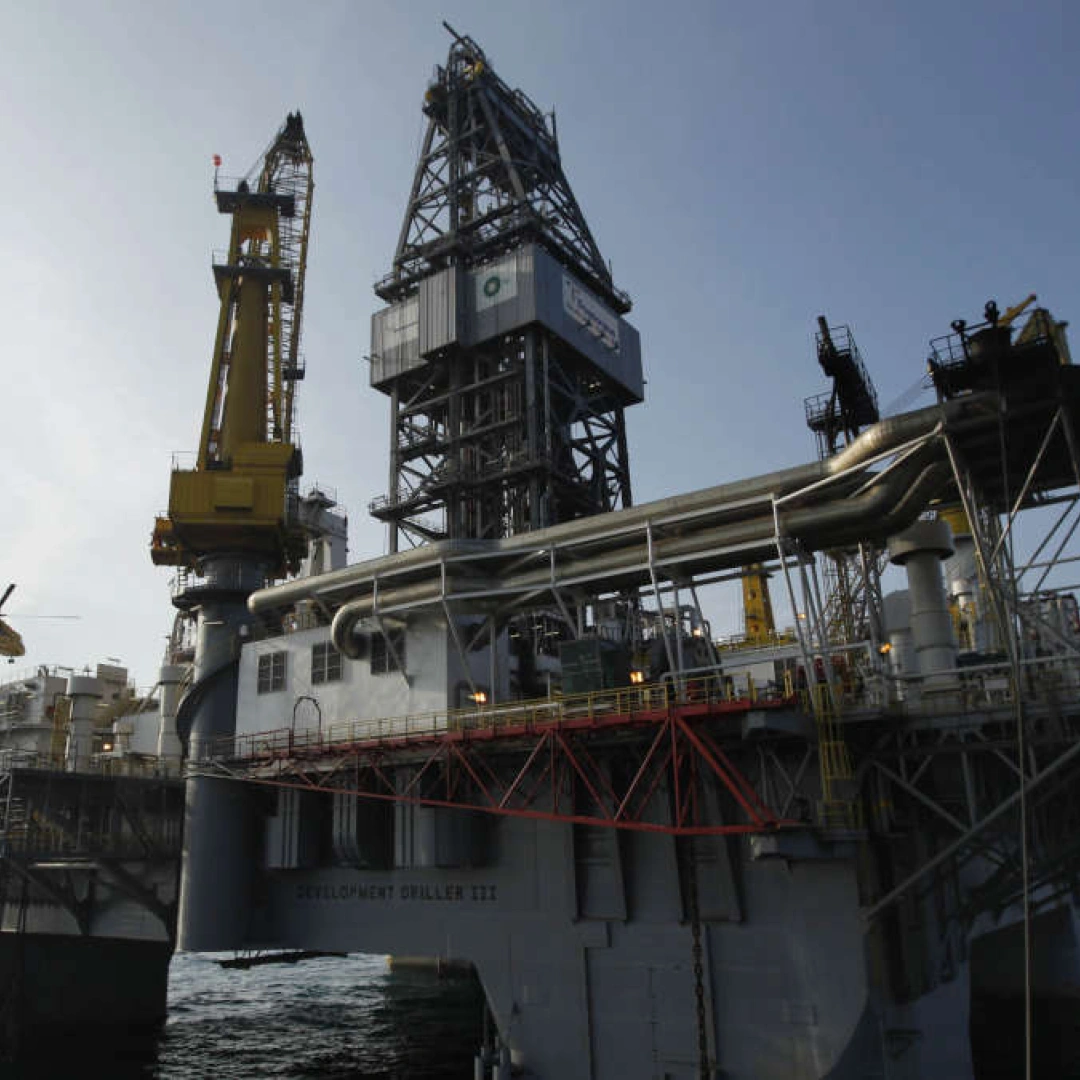
Several factors explain the fuel supply disruption in Mali. Among them, the closure of land borders with neighboring countries has severely restricted the flow of hydrocarbons. Furthermore, security tensions and logistical constraints are slowing the transport of petroleum products from ports of entry. Finally, the difficult management of stocks, combined with high demand, has exacerbated the situation.
Immediate Impact on Transportation and Mobility
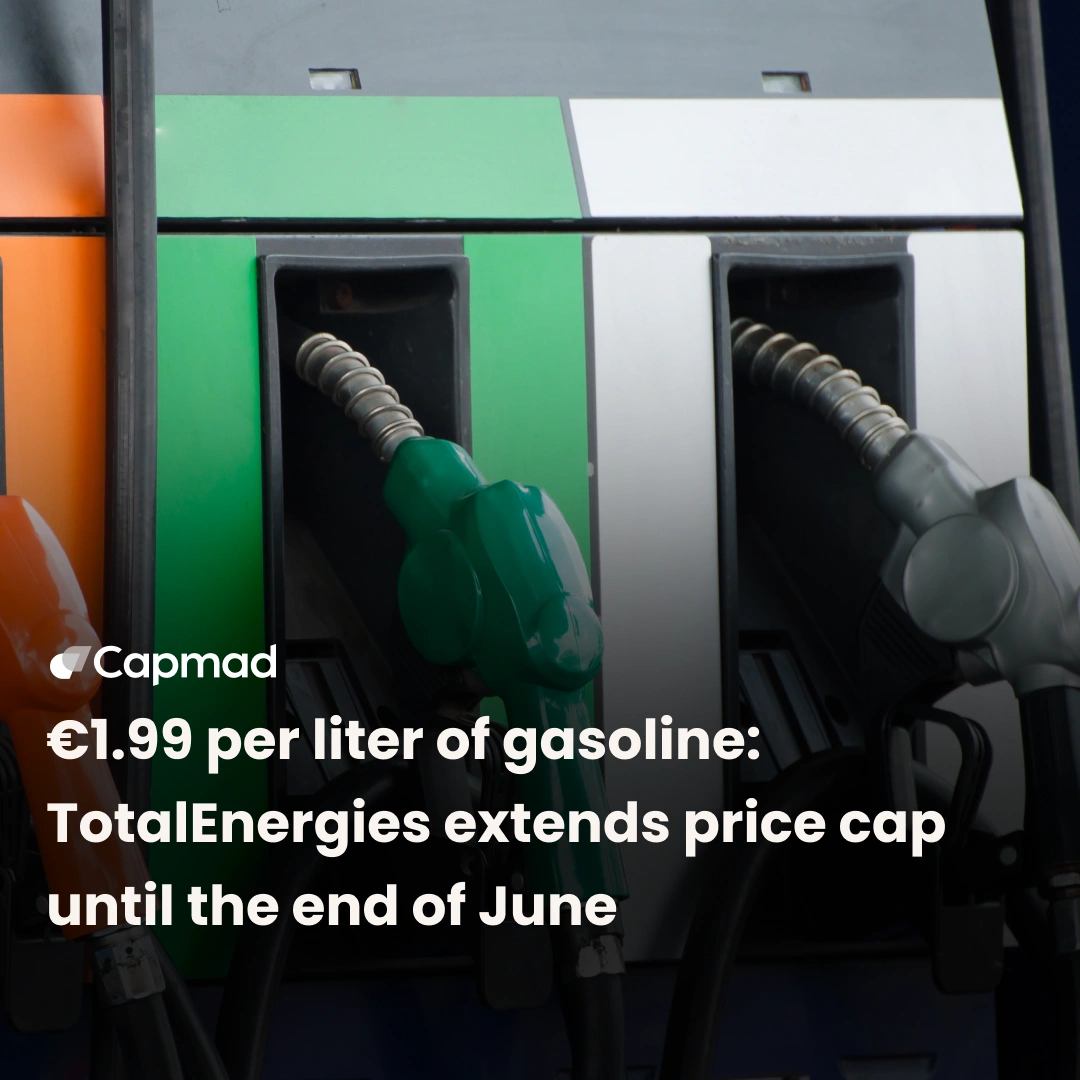
The fuel shortage has brought public and private transportation to a near standstill. Taxis, public transport, and delivery vehicles are running out of fuel, leading to fare increases and a drastic reduction in travel. These difficulties are also being felt in rural areas where agricultural machinery is idle, jeopardizing food production.
Severe Consequences for Key Economic Sectors
The mining industry, commerce, and public services are all directly impacted. Business shutdowns or reduced activity are causing significant economic losses and threatening thousands of jobs. Market supplies are experiencing major disruptions, driving up prices for essential goods and exacerbating inflation.
Social Repercussions on the Population
The fuel shortage is worsening the already precarious living conditions of Malians. Access to healthcare is hampered by the inability to operate ambulances and medical services. Furthermore, the long queues outside the few functioning gas stations are causing tension and social unrest. The decline in economic activity is leading to increased unemployment and poverty.
Solutions being considered to overcome the crisis
Faced with this critical situation, the Malian authorities are seeking to diversify supply sources and strengthen security around logistics routes. Negotiations are underway to facilitate fuel imports via alternative corridors. At the same time, measures for rational stock management and price controls are being implemented to mitigate the impact.
✍️ Want to contribute a high-value article?
Contact us for a guest post : [email protected]
Write to the editorial team