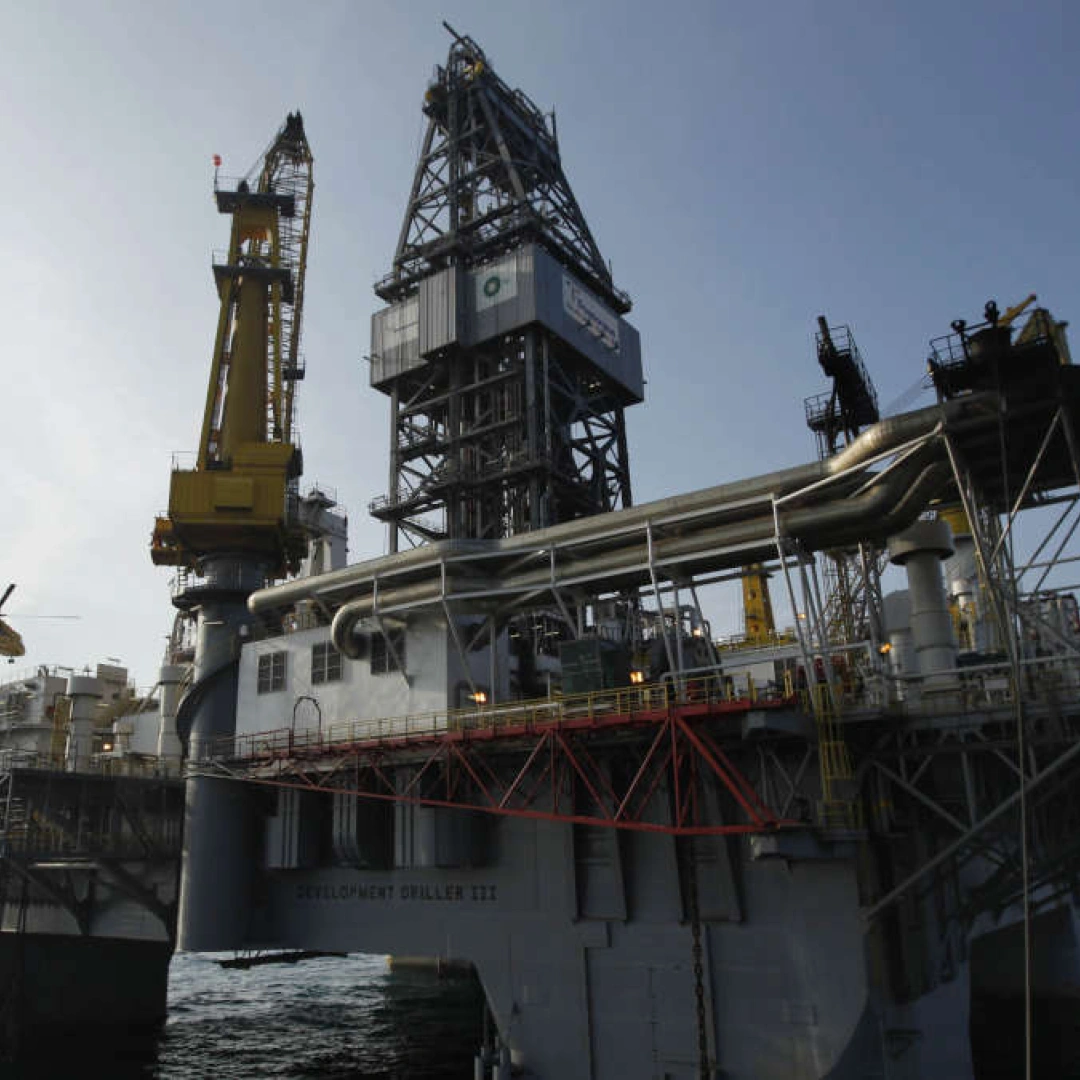
Liquefied natural gas (LNG) exports to the European continent jumped by more than 12% in the first nine months of the year, helping to maintain a positive trade balance. This momentum is benefiting public finances, with a budget surplus reaching nearly 3% of GDP. The government has thus been able to strengthen social programs and accelerate certain infrastructure projects. However, this performance still relies on intensive oil and gas exploitation, a model that is proving profitable and struggling to diversify.
Hydrocarbons: Exceptional Gains for 2025
During the first eight months of 2025, Algeria recorded nearly 31 billion USD in revenue from hydrocarbon exports, according to statements by Minister Mohamed Arkab before the National People’s Assembly. This sharp increase in energy revenues is benefiting from strong European demand, supported by investments and the revival of the gas sector, which could grow by 2 to 3% this year. The government plans to inject an additional 60 billion USD into hydrocarbons and petrochemicals, thus confirming its strategy of maximizing rents in the current context.
Growth, Inflation, and Dependence: An Economy on Life Support
According to the World Bank, real GDP growth is expected to slow to 3.3% in 2025, after a non-hydrocarbon increase of 4.8% in 2024. Inflation remains under control at around 4%, but the fiscal balance remains vulnerable to oil prices and the availability of international demand. The hydrocarbon sector still accounts for over 90% of export revenues, and the Algerian dinar directly reflects this dependence on rents.
Delayed Energy Transition: Diagnosis and Obstacles
The overwhelming weight of fossil fuels severely limits the role of renewable energies. Currently, Algeria has still not crossed the symbolic threshold of one gigawatt of injected solar capacity, despite the import of 460 MW of photovoltaic panels since the beginning of 2025. The five main public solar projects aim to increase the share of renewable energy to 27% of the electricity mix by 2030. But with 98% of electricity produced from natural gas in 2023, the gap remains immense, and the country’s global ranking remains unfavorable, well below its solar potential.
Algeria’s delay is due as much to administrative slowness as to a lack of political will. Several calls for tenders for large power plants were awarded late, and many contracts were canceled for non-compliance with contractual commitments, compromising the sector’s credibility.
Energy Dependence Remains Undiminished
Despite talk of the need to prepare for the post-oil era, the energy transition remains marginal in Algeria. Investments in renewable energy remain low: less than 2% of national electricity production comes from solar and wind power. Flagship solar power plant projects, announced as early as 2020, are struggling to materialize, hampered by administrative delays and contradictory political decisions.
The country therefore remains heavily dependent on its hydrocarbons, which still represent more than 90% of its export revenues. This vulnerability exposes the economy to fluctuations in global markets and delays its adaptation to new climate demands.
Outlook: Structural Challenges and Medium-Term Ambitions
To reverse this trend, experts recommend clarifying governance, opening the market to private investment, and leveraging local potential for technological innovation. Algeria aims to commission 15,000 MW of renewable capacity before 2035, but this objective requires genuine industrial momentum and institutional management reform.
In conclusion, the spectacular increase in oil and gas revenues in 2025 will keep the Algerian state in a rent-seeking situation, without any impetus for a transition to a diversified and sustainable model. The delayed but accelerated deployment of solar projects could represent a first turning point, provided that bottlenecks are removed and operational continuity is guaranteed.
✍️ Want to contribute a high-value article?
Contact us for a guest post : [email protected]
Write to the editorial team