Madagascar’s new vanilla alliance is using 40% of its funds to buy prepared stocks at above-market prices, easing pressure on farmers but risking a longer overstock crisis.
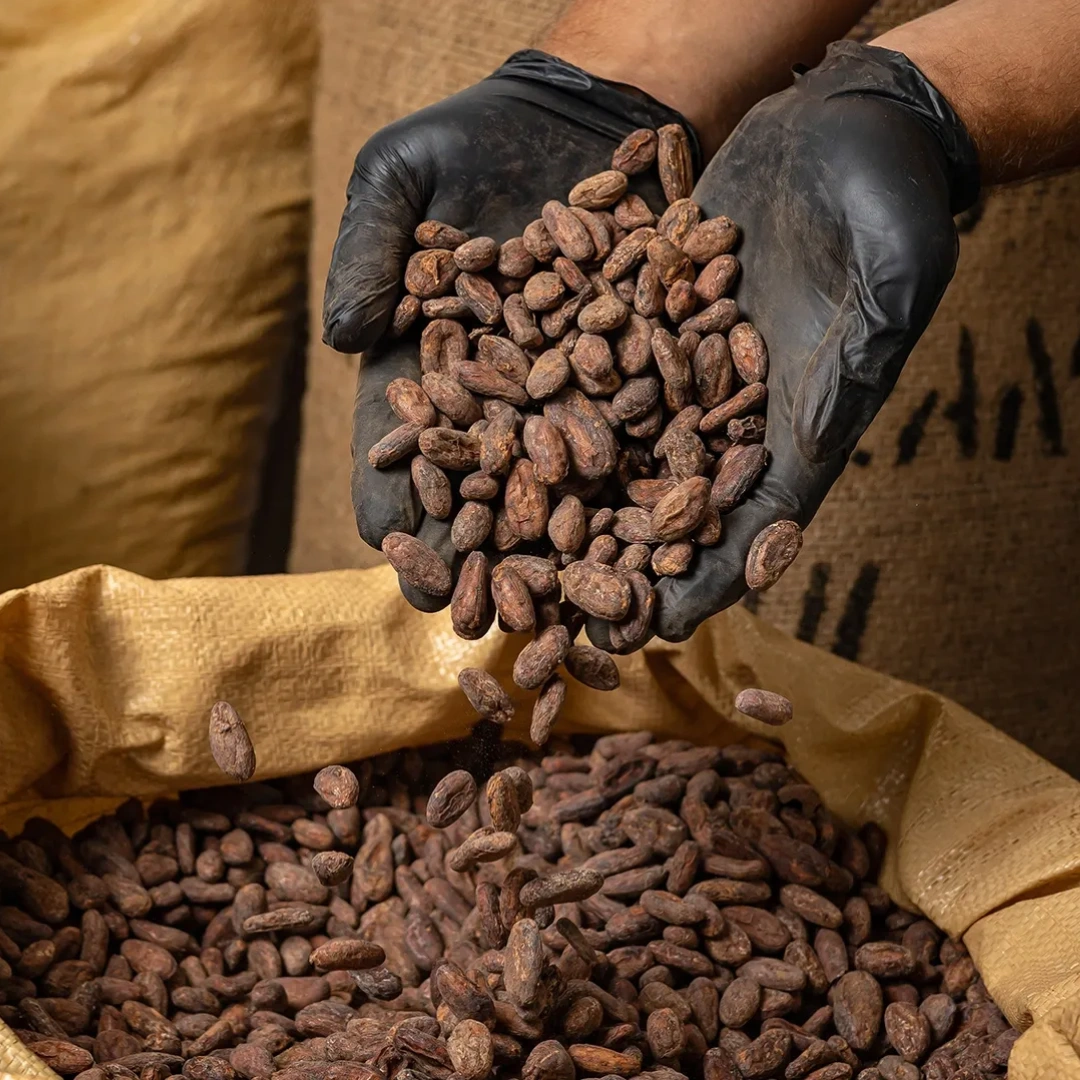
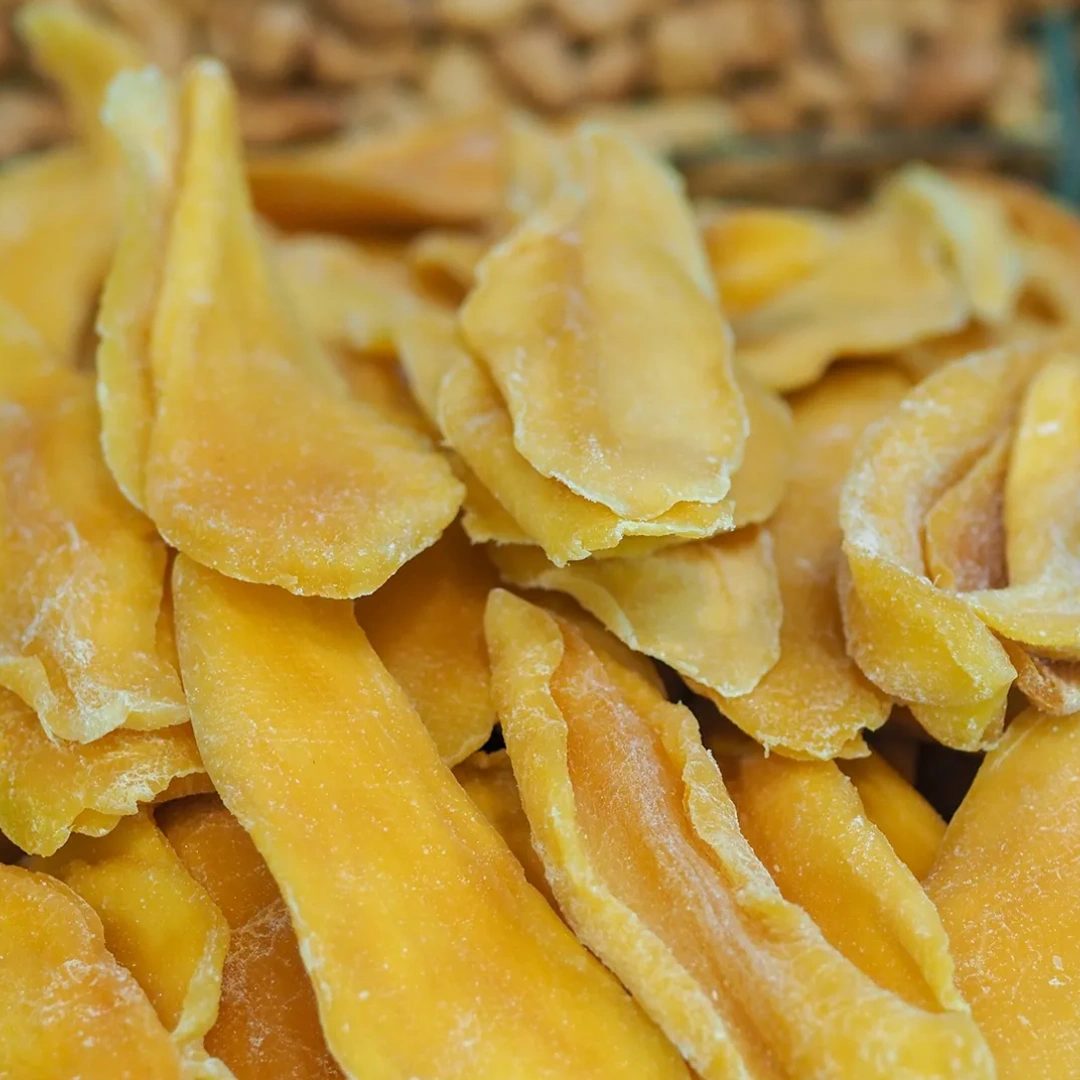
On 17 June 2026, at its first board meeting held in Antalaha and Sambava, the Alliance pour la Vanille de Madagascar (AVM), the new umbrella body in charge of the sector, decided to commit a large share of its financial resources to buying prepared vanilla stocks from operators and producers.AVM board members agreed that 40% of the Alliance’s financial resources would be allocated to purchasing black, red and cuts vanilla already prepared, in an attempt to stem falling prices and relieve strained actors.
The move comes as vanilla, long touted as Madagascar’s “black gold”, is mired in a prolonged crisis of oversupply and price deflation after years of high prices and state-led price-floor regulation.Several economic analyses of the sector indicated that in early 2026 exporters were facing large inventories, while some atypical transactions on the international market could fall to around USD 10 to 16 per kilo in loss-making situations.
A price-support mechanism that looks like mutualised losses
In practice, AVM is positioning itself as buyer of last resort on the domestic market for prepared vanilla.The Alliance has set intervention prices at 140,000 ariary (USD 33 to 34) per kilo for black vanilla, 125,000 ariary for red vanilla and 70,000 ariary per kilo for cuts, levels above the lowest offers seen at export but deemed necessary to preserve a minimum income for local actors. The scheme effectively socialises part of the losses linked to the downturn by shifting them onto the sector’s collective institution.
This large-scale buyback by a body closely tied to public authorities mirrors mechanisms seen in other African agricultural chains when states or their agencies try to stabilise prices via intervention stocks. In Madagascar’s case, it comes after several years during which the state, via the former Conseil national de la vanille (CNV), enforced an internal floor price that kept domestic prices above world-market levels and contributed to the build-up of unsold inventories. An expert report on the sector recalls that in recent seasons, the setting of an internal reference price for prepared vanilla, combined with slowing international demand, led many operators to hold onto their stocks in the hope of a price rebound rather than accept lower prices.
A structural crisis rather than a simple cyclical dip
The AVM stock buyback decision is part of a medium-term trajectory in which vanilla is losing relative weight in Madagascar’s economy and export earnings, to the benefit of other products and sectors.A recent multilateral assessment stresses that Madagascar’s vanilla exports have declined since the late 2010s and that a return to previous highs appears unlikely, given new producers entering the market and the normalisation of global prices. Against this backdrop, purely defensive tactics based on stockpiling and high domestic administered prices address symptoms more than root causes.
Recent diagnostics converge on the view that the core issue lies in Madagascar’s slow supply adjustment to softer global demand, in eroding price-quality competitiveness and in difficulties moving up the value chain into differentiated niches such as organic, fair trade or locally processed products.A study on the vanilla crisis notes in particular that even though prepared vanilla can be stored for several years without losing all its qualities, the accumulation of volumes waiting for outlets mechanically weighs on prices and strains operators’ cash flows.
Short-term relief for farmers, deferred risks for the sector and public finances
In the near term, AVM’s decision sends a strong support signal to producers and preparers who, in the absence of private buyers, were facing collapsing incomes and heightened default risks with their banks. The entry of an institutional buyer at pre-set prices reduces short-term uncertainty and can prevent distress sales. It also responds to political pressure to preserve jobs in the Sava and Atsinanana regions, where vanilla remains a key cash crop.
Yet the operation places several risks on the sector’s trajectory. First, it reinforces expectations that the state or its offshoots will absorb surpluses whenever the cycle turns, which may delay acreage adjustments and encourage some actors to prolong stock-hoarding strategies. Second, depending on how AVM finances these purchases and ultimately monetises them, the scheme could morph into a quasi-fiscal burden, at a time when the state’s room for manoeuvre is limited and international partners are urging tighter management of public commitments.Recent recommendations to the authorities emphasise the need to better target public interventions, avoid broad-based support mechanisms and prioritise structural reforms over administered price schemes.
Over the medium term, the key question is what will happen to the stocks being bought: at what pace and on which markets AVM will be able to sell them without further depressing prices, and under what risk-sharing arrangements with private actors.
Next milestone: from stock management to a new model
The decisions taken on 17 June by the Alliance pour la Vanille de Madagascar mark a new step in the public management of the crisis, but they do not solve the competitiveness challenge nor the need to diversify income sources in producing regions. Sector leaders themselves acknowledge that efforts deployed so far have been slow to translate into tangible improvements for communities dependent on vanilla. Upcoming AVM board meetings and year-end budget arbitrations will indicate whether stock purchases remain a one-off stabilisation tool or become a permanent feature of the policy toolbox.
For investors and development partners, the key signal to watch will be the authorities’ ability to turn this emergency mechanism into a lever for reorientation: gradually scaling back planted areas, moving upmarket into higher-value niches, developing local processing and supporting the transition of the most exposed households. Without that, buying up vanilla stocks risks proving a false good idea: costly, politically necessary in the short run, but insufficient to put the sector back on a sustainable path.
✍️ Want to contribute a high-value article?
Contact us for a guest post : [email protected]
Write to the editorial team