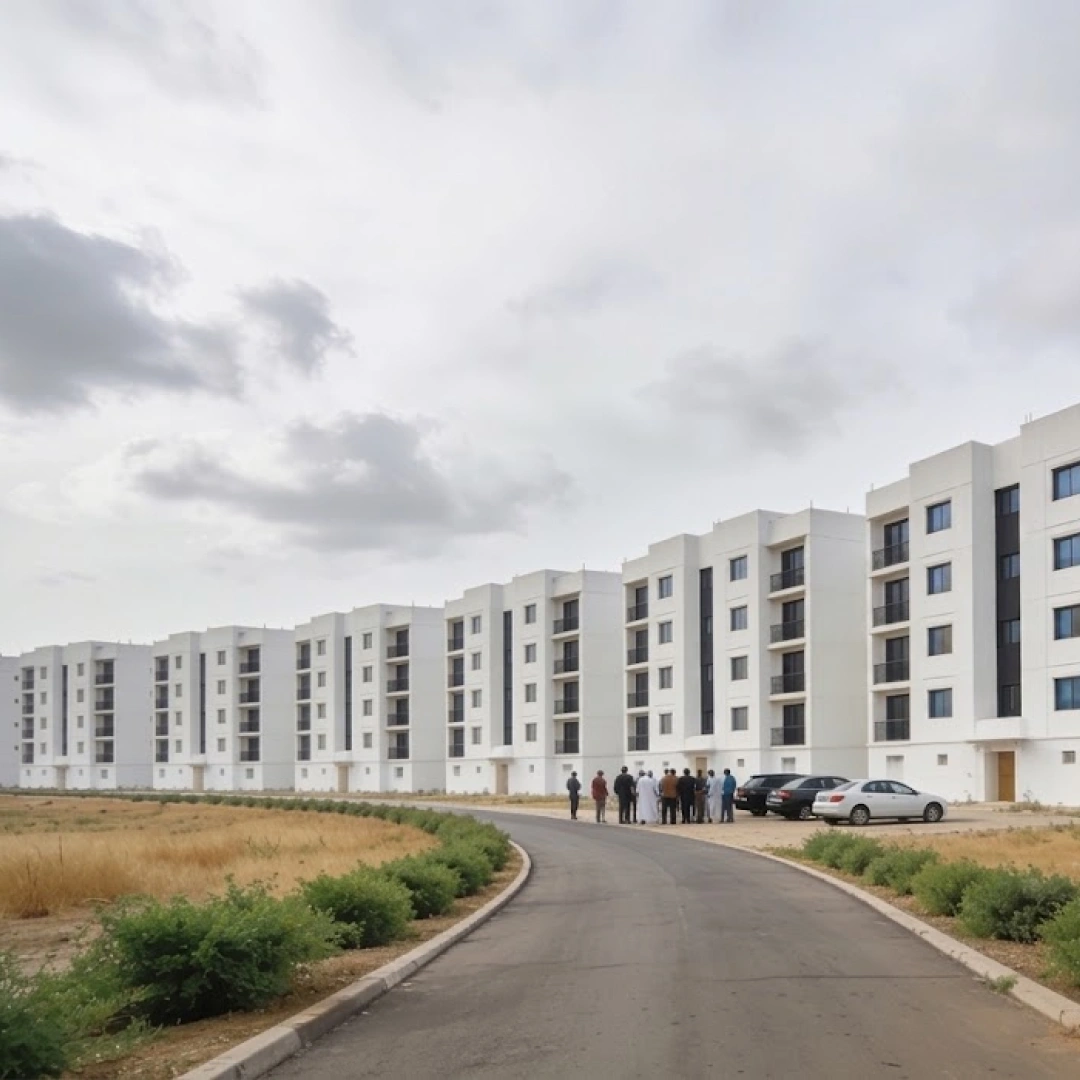
A single-family rental home is a dynamic, high-stakes business venture disguised as a passive investment. Believe it or not, but many individuals find themselves owning a rental house by accident. This can occur when you inherit a property with tenants in, decide to move in with your partner and need to rent out your place, or get relocated for work and are unable to make a quick sale on your current home. Many view this type of accidental property ownership merely as a line item on a personal wealth spreadsheet. When you treat the rental property as a full-fledged corporate entity, it fundamentally changes how you calculate risk, where you put your money, and how you deal with clients. By getting away from being a ‘casual’ landlord mentality, you will be able to protect your thin margin of operations, improve your daily logistical systems, and increase your long-term financial return.
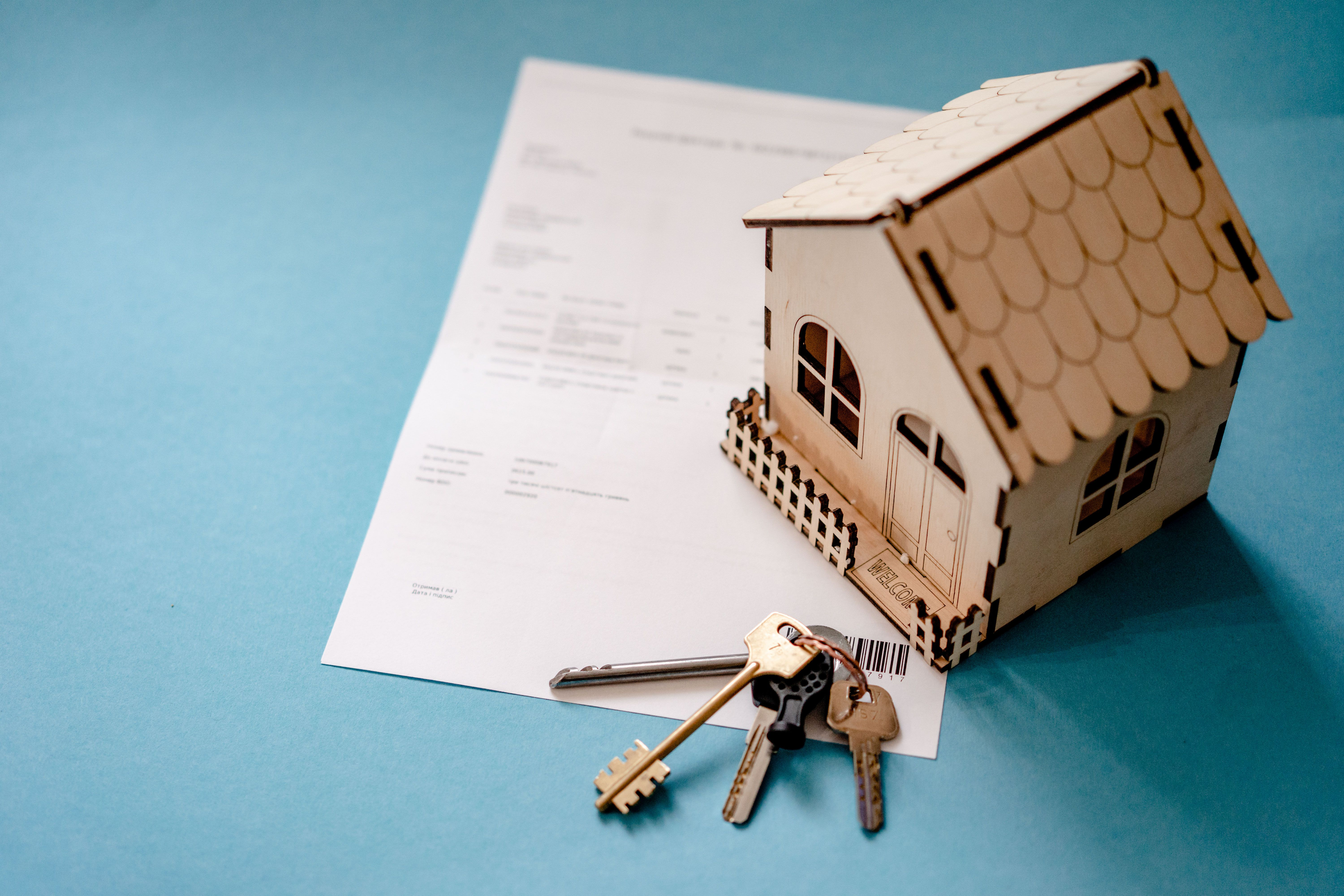
The Asset Management Framework
When you have one piece of real estate, you need to apply the same level of financial discipline as when you are managing a $10 billion portfolio of institutional real estate. The house is an operating asset producing cash flow and also an asset that appreciates over time for equity gain. Your success will depend solely on your ability to remove your emotional connection to the bricks and mortar, and view each dollar used to maintain the house as either preserving the asset value or creating direct revenue.
Capital Allocations and Expense Control
If you track operating costs as casually as a personal checking account, your operating expenses could easily consume a year of rental income. Smart management involves keeping a business bank account separate from your other accounts and developing a strong, independent capital reserve fund. Anticipating large expenses such as comprehensive roof replacements or total HVAC failures and making those funds available when needed will prevent potential cash shortages. Combining small routine maintenance items together in pre-planned semi-annually service visits will eliminate the high cost of unexpected “emergency” calls and keep your annual operating costs very predictable.
Strategic Marketing and Asset Positioning
Good marketing positions your single asset to be competitive with corporate-backed multi-family projects in the area. Good quality photographs taken at a wide angle, and good descriptive content will help draw better applicants to your space. This clearly highlights structural strengths, proximity to public transportation, and upgraded appliances. Good marketing positions your single asset to be competitive with corporate-backed multi-family projects in the area. Good quality photographs taken at a wide angle, and good descriptive content will help draw better applicants to your space. This clearly highlights structural strengths, proximity to public transportation, and upgraded appliances. Utilizing modern digital syndication platforms may allow you to post property for rent free of charge, maximizing your reach across major listing channels with a single, synchronized point of entry.
Risk Reduction Through Tenants Selection Process
Your tenant selection process is your greatest tool to mitigate business risk and ensure consistent monthly cash flows. A good tenant protects your assets, follows lease terms, and maintains community standards. Developing a formal tenant screening criterion using credit history, verifiable income levels, and background checks filters out high-risk applicants before a lease is generated. Verifying employment stability with the employer will give you valuable insight into the applicant’s behavior that an automated credit score cannot.
Integrated Operational Systems
Using modern digital technology replaces manual oversight of rentals with a highly automated corporate-grade operation. With a single-purpose rental property management platform, you will be able to automate rent collections, streamline application processes, and create a centralized ticketing system for maintenance requests. Platforms will allow for automatic rent reminders, tracking deposits, and producing professional financial reports, which allow for effective planning for taxes. Use digital systems and move from administrative chores done daily to an efficient weekly review.

Regulatory Compliance and Legal Protections
Navigating the local regulatory landscape is an essential risk-management function of running a professional rental business. Knowing your local zoning laws, fair housing provisions, and safety provision laws will protect you from expensive lawsuits. Creating leases based on the same language provided by law firms in your state will define the rights and responsibilities of the owner and tenants. Taking the time to learn about local landlord-tenant laws will ensure compliance in addition to giving all policies and practices firm ground in law.
Professional Communication Systems
Clear communication becomes the foundation of a mutually beneficial relationship with tenants. Establishing specific hours for non-emergent communications and using portals for transactions sets up professional boundaries immediately. Record every interaction, every maintenance request, and every solution. Maintaining this type of record will protect both parties in case there are issues after the tenant leaves. Consistent periodic contact during different seasons will communicate to the tenant that the property is being maintained regularly and encourage them to call early should there be any minor issues becoming significant problems.
Optimizing Physical Capital
Structural integrity of your assets has to have a tactical balance between emergency repairs and major physical renovations. First, make sure to do all structural improvements: roofing, thermal insulation, and plumbing lines are fully optimized to protect the core building envelope. After your main structure is secured, use high-durability materials for all interior renovation, such as quartz countertops and solid wood doors. They will be worth higher rents, attract mindful renters, and have less turnover in place.
Evaluating long-term real estate investment strategies reveals that offering a slight premium discount below market rate to an exceptional resident is an excellent financial strategy that completely eliminates the high transaction costs of a complete turn.
Proactive Renewal and Occupancy Strategies
Retaining a qualified resident is far more profitable than finding a new one on the open market. The real cost of a vacancy includes lost rent, cleaning and repair costs, operating costs, and administrative marketing expenses. Begin renewing leases 90 days before expiration so that you can determine the interest of current renters and build capital improvements for the next renters. It is easy to offer slightly discounted prices under the current market price to retain the best renters without paying for replacement costs.
The Financial Blueprint for Growth
Long-term profits require looking beyond the monthly income statement to analyzing the overall return on equity. Looking at your asset periodically provides you with confidence that you can choose whether to refinance, sell to capitalize on existing equity, or borrow off the equity in your rental property to purchase new assets. When treating a rental property as an actual business, you will develop sustained wealth within your real estate portfolio.
✍️ Want to contribute a high-value article?
Contact us for a guest post : [email protected]
Write to the editorial team