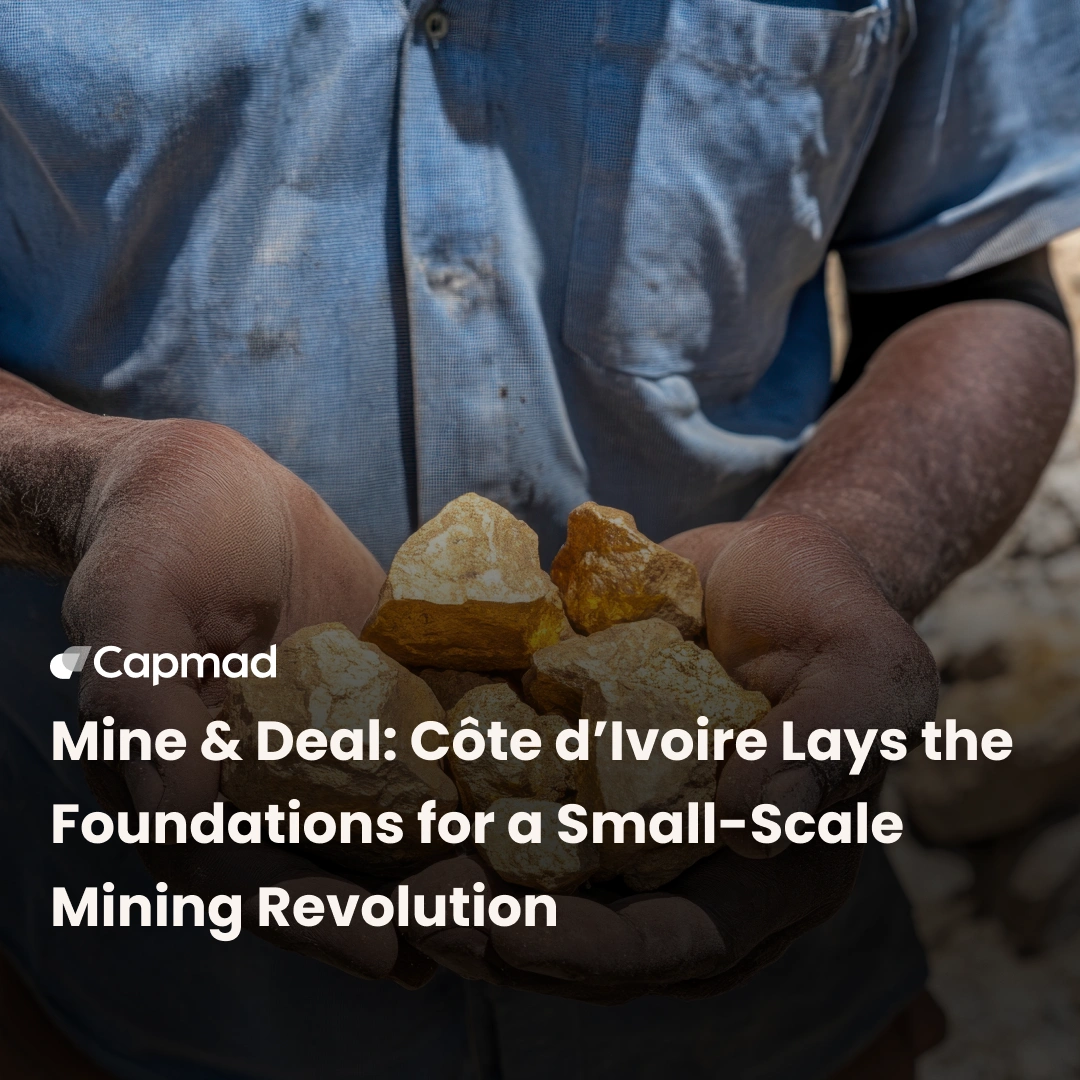
Ivory Coast is facing a nightmare of illegal gold mining. According to the latest data from the National Gendarmerie, more than 1,600 illegal gold mining sites have been identified across the country. This alarming figure reveals the scale of the phenomenon and the major challenges the country faces.
A phenomenon that is spreading throughout the country
Initially concentrated in certain traditional gold-bearing areas, illegal gold mining has gradually spread throughout Ivory Coast. Today, several regions are affected, particularly in the center, north, and west of the country.
It is estimated that 24 out of 31 regions are affected by illegal gold mining. Approximately 500,000 people depend directly on this clandestine artisanal activity.
The Devastating Environmental Consequences
The ecological impact of illegal gold mining is catastrophic:
- Land degradation (Thousands of hectares of agricultural and forest land are dug up, turned over, or abandoned after extraction)
- Chemical pollution (Use of toxic products (mercury, cyanide) that contaminate the soil and groundwater)
- Deforestation (Destruction of forest cover to access gold deposits)
- Health risks (Local populations fear for their lives due to exposure to these products)
A colossal economic burden for the Ivorian state
Illegal gold mining deprives Côte d’Ivoire of considerable resources:
- 744 billion CFA francs in losses per year for the national economy
- Several hundred billion CFA francs in cumulative losses according to the Ministry of Mines
- Approximately 958 million USD lost between 2005 and 2015 due to Illegal Gold Mining
- 30 tons of gold per year from illegal mining escape state control.
The State’s Response: Repression and Training
The Ivorian government has launched a frontal assault on illegal gold mining. The Mining Code adopted in 2014 has led to undeniable progress.
Actions taken to date:
- Sites destroyed (1,665 illegal gold mining sites eliminated)
- Individuals arrested (343 people brought before the courts)
- Training (371 artisans trained in 12 training sites built)
In September 2025, the Special Group for Combating Illegal Gold Mining (GSLOI) of the National Gendarmerie dismantled two sites in Adzopé, destroying 205 crushers, 48 water pumps, 9 jackhammers, 8 generators, and 4 motorcycles.
A New Rehabilitation Project Launched in Daoukro
On February 27, 2026, a land mapping and rehabilitation project was launched in Daoukro. This initiative aims to:
- Accurately map areas degraded by illegal gold mining
- Define land rehabilitation strategies
- Restore ecosystems affected by clandestine artisanal mining
The Stakes for Agriculture and Food Security
Illegal gold mining directly threatens the agricultural sector, a pillar of the Ivorian economy:
- Destruction of fertile farmland that can no longer be cultivated
- Food insecurity in affected rural areas
- Land use conflicts between gold miners and farmers
Key Takeaways
Illegal gold mining in Côte d’Ivoire is a truly multidimensional challenge with serious consequences for the environment, agriculture, public health, and the national economy.
With more than 1,600 identified sites, repression alone is not enough. We need to:
- Strengthen training for artisans in legal sectors
- Rehabilitate degraded land to restore ecosystems
- Develop economic alternatives in rural areas
- Improve mining governance and supply chain transparency