Morocco is poised for a significant improvement in its cereal production in 2026, with a harvest expected to reach around 9 million tons, according to news reported by APA News. This outlook marks a clear recovery after several seasons hampered by drought and irregular rainfall.
A Season in Better Position
The signs are considerably more favorable than in previous years. The return of rainfall has supported planting and improved crop health, which explains the optimism observed among industry operators. In several recent analyses, the Moroccan harvest is even projected to reach between 8 and 9 million tons, or around 80 to 90 million quintals, depending on the source and conversion methods used.
This recovery comes after a prolonged period of water stress that had severely impacted national agricultural production. The cereal sector, strategic for food security and rural employment, is thus benefiting from a more favorable climate than in previous years.
What the trend shows
Data published over the past few months points to a significant rebound in Moroccan cereal production in 2025-2026. Some operators are even suggesting a near doubling compared to a year of poor harvest, illustrating the sector’s extreme sensitivity to weather conditions. Morocco has also seen higher volumes thanks to improved rainfall and an expansion of cultivated areas, estimated at around 3.9 million hectares.
This development is crucial, as cereal production directly influences the country’s import bill. When the harvest is poor, the Kingdom relies more heavily on foreign purchases to meet its wheat and barley needs. Conversely, a good harvest helps reduce the strain on public finances and improve food security.
A Central Economic Issue
In Morocco, cereals are not just an agricultural product: they play a major macroeconomic role. A good harvest supports agricultural value added, overall growth, and the incomes of many rural areas. This is one of the reasons why several institutions have recently raised their growth forecasts for 2026, incorporating the positive impact of the cereal season.
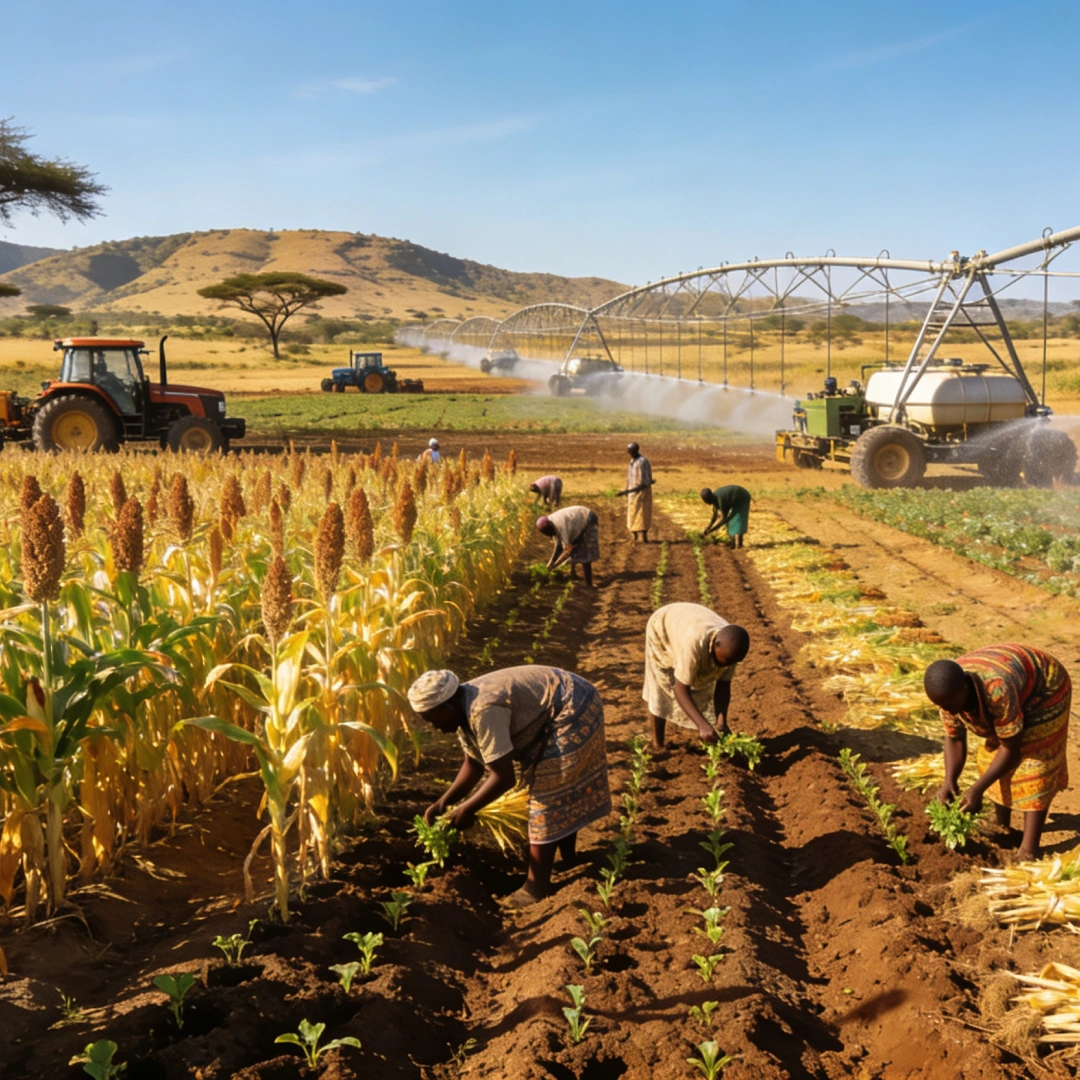
However, the sector remains vulnerable to climate risks, highlighting the need to invest in irrigation, storage, and the modernization of agricultural practices. Without these levers, any production rebound risks remaining cyclical rather than structural. The challenge, therefore, is to transform a good agricultural year into a sustainable trend.
Towards Greater Food Sovereignty
This expected increase in the harvest can also strengthen Morocco’s food sovereignty. More abundant production reduces immediate dependence on international markets, which are often volatile and costly. It also improves the availability of cereals for human and animal consumption, while supporting the activity of processing sectors.
But the challenge isn’t limited to production volume. The quality of storage, the efficiency of marketing, and the ability to stabilize agricultural incomes will be crucial in transforming this rebound into a lasting advantage. The country must therefore capitalize on this favorable season to build a more resilient agricultural sector in the face of climate shocks.
Conclusion
The expected cereal harvest in Morocco in 2026 reflects a clear change of cycle after several difficult years. Driven by the return of rains, it could reach approximately 9 million tons and provide a welcome boost to the agricultural economy. The challenge now is to convert this recovery into structural progress to limit the country’s vulnerability to future droughts.
✍️ Want to contribute a high-value article?
Contact us for a guest post : [email protected]
Write to the editorial team