The Democratic Republic of Congo (DRC) has just reached a historic milestone: it has successfully issued its first sovereign Eurobond, a $1.25 billion international bond. This operation marks the DRC’s entry into the club of African states that finance themselves directly on global markets, in a context of budgetary restructuring and reforms under the supervision of the IMF.
Aligned with a three-year economic program launched in 2025, this issuance aims to strengthen the state’s capacity to finance its sectoral priorities, while signaling to international investors a commitment to fiscal discipline and transparency.
A First Eurobond for the DRC
Until now, the DRC had primarily relied on bilateral debt, the banking sector, and multilateral financial institutions to cover its financing needs. With this first Eurobond, the country is finally issuing sovereign bonds on international markets, a practice already familiar to other African states.
Initially, the authorities planned to raise $750 million, within a conservative framework, but then revised the final target upwards to $1.25 billion in response to strong investor demand. This surge in demand is seen as a sign of confidence, despite the country’s status as a “first-time issuer” and its lack of a credible track record on international bond markets.
An attractive financing cost
According to initial analyses, the cost of this Eurobond is considered lower than that of several African neighbors already established in the markets. A relatively competitive coupon rate, combined with a maturity structure (5 and 10 years) designed to smooth repayment periods, enhances the attractiveness of the operation for investors.
For Rawbank, the Congolese bank co-piloting the operation, the objective is also educational: to demonstrate that the DRC can finance structuring projects while remaining within a framework of debt sustainability. The challenge is therefore twofold: to prove repayment capacity while optimizing borrowing costs in a context of high interest rates and market volatility.
A targeted use of the funds raised
The funds from this Eurobond are intended to finance strategic infrastructure and contribute to the modernization of the country’s economic base. The authorities have particularly emphasized transport infrastructure projects, energy connectivity, and trade facilitation, which are central to the 2024–2028 action plan.
In a country where mobility, access to electricity, and logistics remain major obstacles to private investment, this financing can serve as a catalyst for other capital. The risk, however, is that these projects may not materialize within the announced timeframe or that the governance of the funds may not be entirely transparent, something the IMF has already reiterated as a prerequisite.
A matter of sustainability and reputation
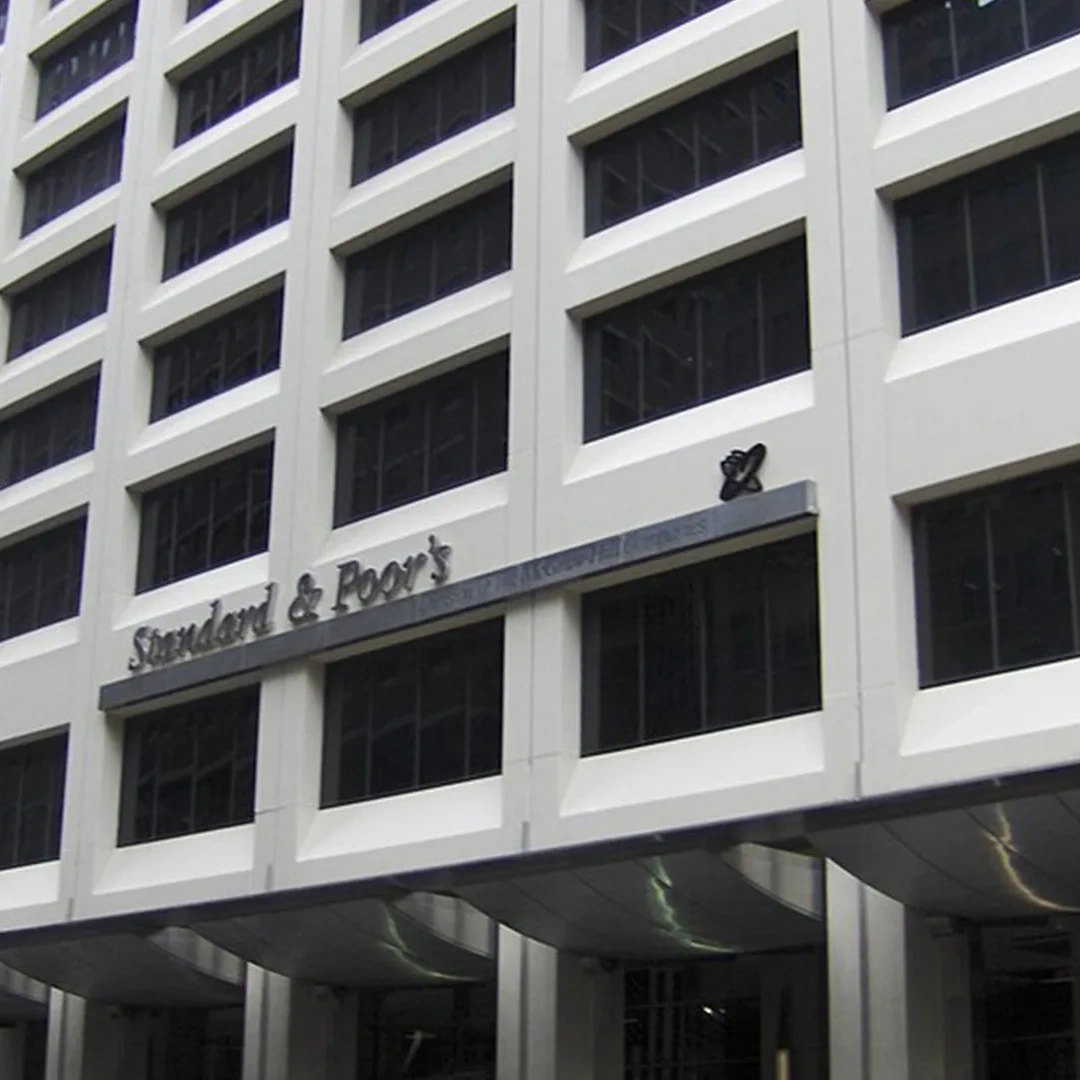
The operation puts the DRC in the spotlight of the markets and rating agencies. As the first issuer, the country must demonstrate its ability to meet its payment deadlines and honor the commitments made to international investors. The slightest payment default or political disengagement could drastically reduce its future access to external financing.
Furthermore, this first Eurobond is part of a broader framework of debt sustainability. The IMF has emphasized that any issuance of this type should be accompanied by strict fiscal discipline, good governance, and transparent use of funds. For the DRC, this means that its credibility in the financial markets will now depend as much on its economic performance as on its ability to manage public debt.
A powerful symbol for Africa
Regionally, this operation sends an important message: the DRC, a major Central African country, has now joined the ranks of African states borrowing directly from institutional investors. Following other countries such as Gabon, Ghana, and Congo-Brazzaville, Kinshasa is demonstrating a desire to “normalize” its sovereign financing, meaning a gradual shift away from exclusively bilateral or multilateral debt.
Ultimately, if this first Eurobond is a success, it paves the way for future issuances diversified by maturity, currency, and project type. But it also serves as a reminder that, in a context of already high debt levels on the continent, the temptation to borrow must be accompanied by a clear vision of sustainability, investment productivity, and governance.
✍️ Want to contribute a high-value article?
Contact us for a guest post : [email protected]
Write to the editorial team