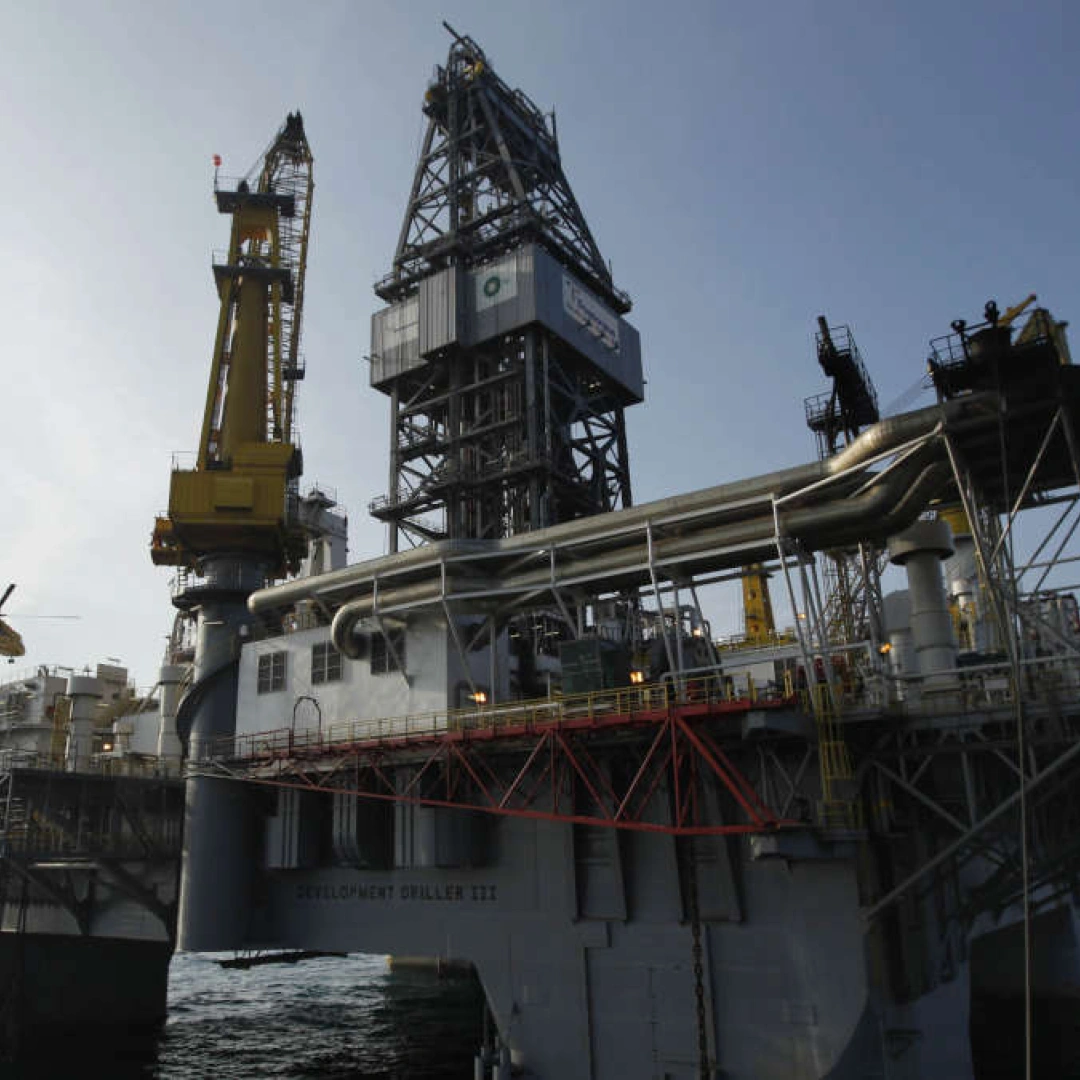
On March 23, 2026, in Malabo, Equatorial Guinea signed a strategic financing agreement to develop the Aseng gas field, operated by Chevron with ConocoPhillips, Glencore, and Gunvor. This project strengthens the participation of the national company GEPetrol and aligns with the “Gas Mega Hub” vision to monetize the country’s gas resources.
Background of the Aseng Gas Field
Located in Block I off the coast of Equatorial Guinea, the Aseng field has been producing gas and condensate gas since 2014, supplying the Punta Europa infrastructure on Bioko Island. The recent agreement brings together the State, GEPetrol, and an international consortium to accelerate production via existing midstream pipelines, thus avoiding the costs of new infrastructure.
This partnership addresses the decline in oil revenues, which accounted for over 80% of the budget in 2024, positioning gas as a growth driver to stabilize public finances amid market volatility.
Details of the financing agreement
GEPetrol is increasing its stake in the project from 5% to 32.55%, thanks to an innovative financing mechanism negotiated with Chevron (operator), ConocoPhillips, Glencore, and Gunvor. The ceremony at the People’s Palace in Malabo marks the third phase of the Gas Mega Hub, which aims to consolidate upstream production, midstream processing, and LNG exports.
The Aseng gas volumes will support the Punta Europa liquefaction unit (3.7 million tons/year), which has been underutilized due to insufficient feedgas since the Alen project began operating in 2021. The agreement also includes technology transfers and training to strengthen GEPetrol’s local capabilities.
Impact on the Equatorial Guinean Economy
This deal promises immediate cash flow for the Treasury, through the rapid conversion of reserves into revenue, while creating jobs and local supply chains. It optimizes existing assets, reduces the risks of abandoned gas fields, and opens future tie-backs to Alen Tail or Yoyo-Yolanda.
Macroeconomically, it repositions Equatorial Guinea as a gas hub in the CEMAC region, attracting investment despite regional geopolitical tensions. Traders like Glencore and Gunvor secure export markets, minimizing logistical risks.
Regional Strategic Perspectives
Beyond Aseng, the agreement unlocks a portfolio of interconnected projects, potentially including cross-border flows via pipelines in the Gulf of Guinea. It aligns Malabo with the African gas strategy, offsetting the energy transition through the accelerated monetization of non-renewable resources.
The challenges lie in rapid execution and political stability, but this partnership with major US companies and global traders strengthens the country’s attractiveness for 2026 and beyond.
✍️ Want to contribute a high-value article?
Contact us for a guest post : [email protected]
Write to the editorial team