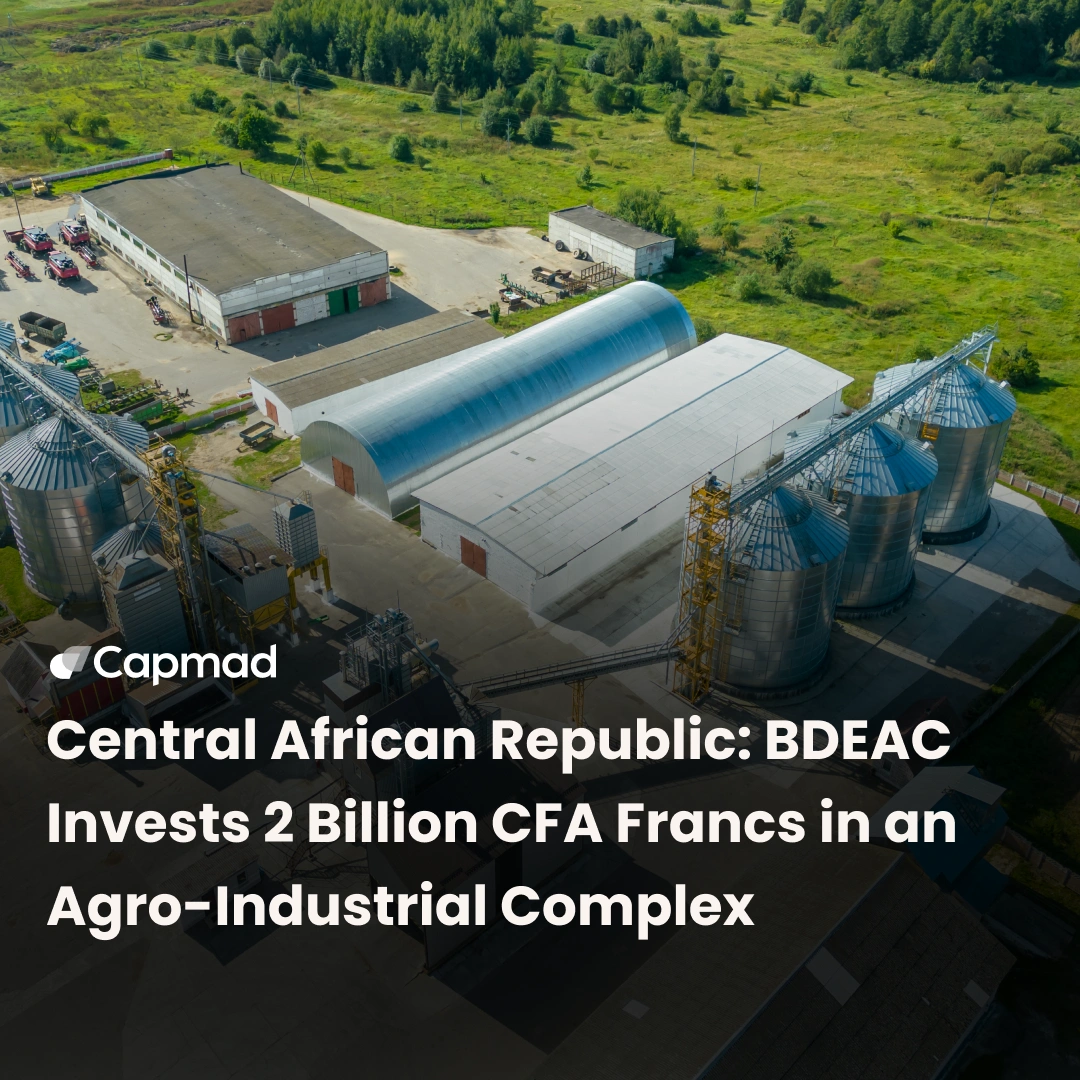
The World Bank has released US$216 million to accelerate agricultural transformation in Burkina Faso, a key funding opportunity to address the security and climate challenges hindering the sector. This support is part of a series of initiatives aimed at strengthening the resilience of smallholder farmers and boosting productivity in a country where agriculture employs 80% of the working population.
Financing Context
This release of US$216 million (approximately 130 billion CFA francs) targets irrigation, value chain, and agricultural competitiveness projects, extending programs such as the PReCA (Agricultural Resilience and Competitiveness Project), which was previously funded with US$200 million. It aligns with the priorities of the National Economic and Social Development Plan (PNDES) and the 2023-2025 Agro-Pastoral Offensive, focusing on sectors such as maize, rice, soybeans, and shea. This initiative comes in a context of heightened vulnerability due to climate shocks and insecurity in the Sahel.
Strategic Objectives
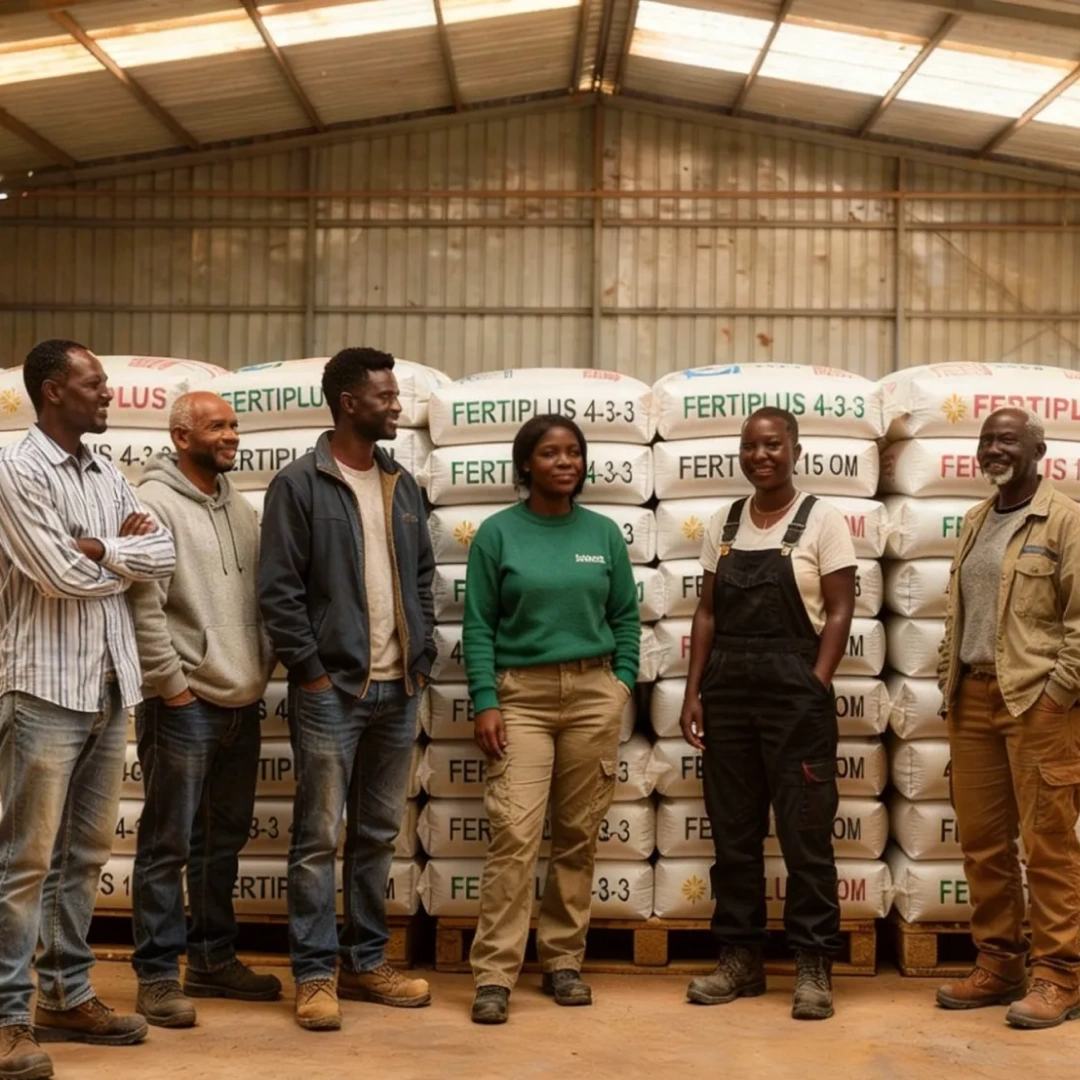
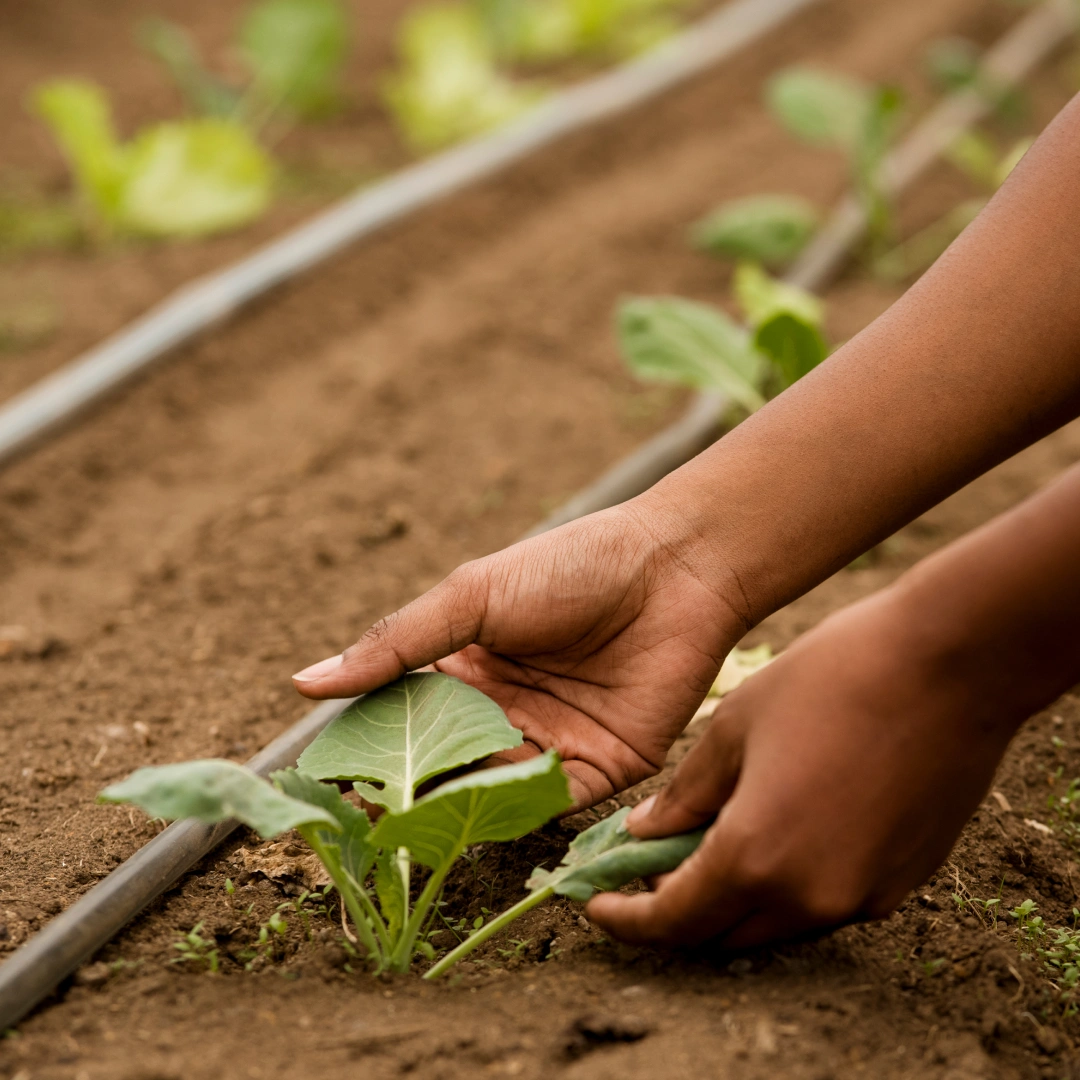
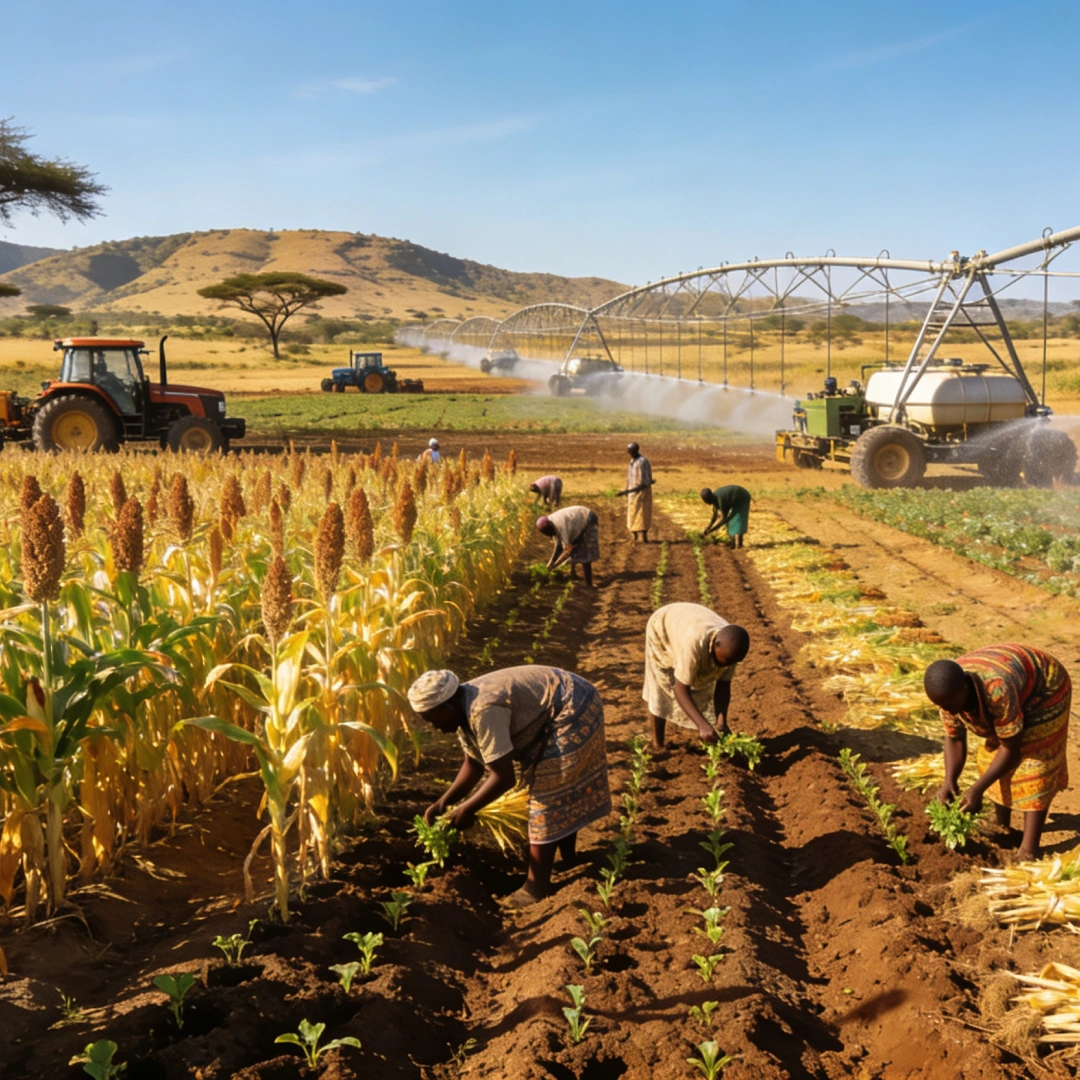
The funding prioritizes the development of irrigated areas (low-lying areas, market gardens), the construction of storage infrastructure and rural roads, and support for agri-food SMEs. It aims to increase the productivity of smallholder farmers, improve access to regional markets through the AfCFTA, and create jobs for young people and women. Targeted value chains (rice, onions, tomatoes, fruits) will benefit from investments in processing and marketing.
Challenges and Prospects
Despite this boost, challenges remain: inter-ministerial coordination, infrastructure maintenance, and the security integration of affected areas. This funding aligns Burkina Faso with the Sahel Irrigation Initiative (aiming for 1 million hectares by 2035) and complements the contributions of the African Development Bank (114 billion CFA francs in 2023). In the long term, it strengthens food sovereignty and intra-African exports, which are pivotal for a rural economy in transition.
✍️ Want to contribute a high-value article?
Contact us for a guest post : [email protected]
Write to the editorial team