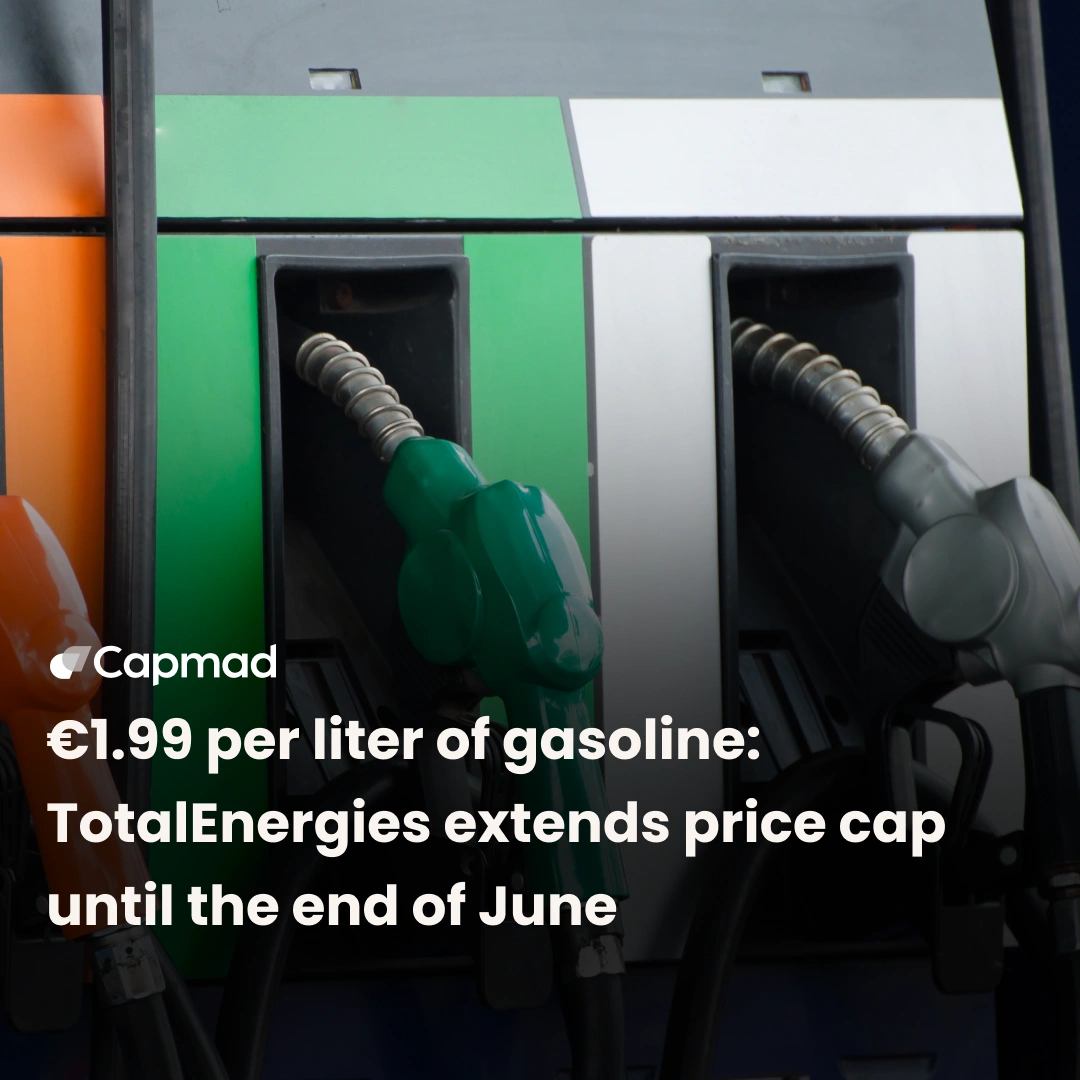
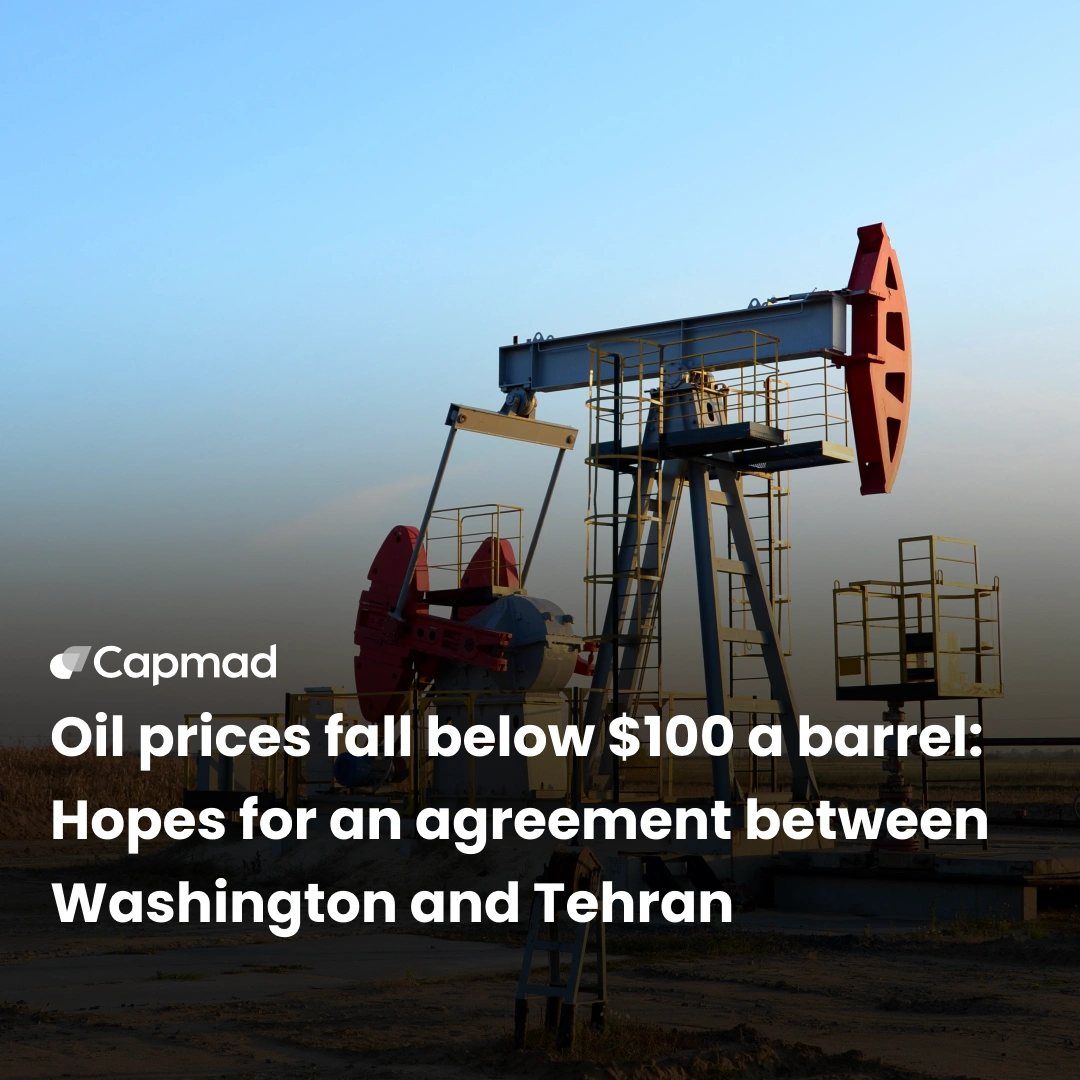
The town of Kankan, in eastern Guinea, is facing a sudden fuel shortage that is severely disrupting the daily lives of residents and local businesses. Since Monday, March 2, 2026, long lines have formed at gas stations, illustrating a crisis that is spreading to other areas such as Kindia and Conakry.
Origins of a Recurring Shortage
This shortage is not an isolated incident: Guinea has experienced regular episodes of fuel shortages since late 2025, often attributed to import delays, logistical problems, and speculation fueled by fears of scarcity. In Kankan, the situation worsened on Tuesday, March 3, with completely empty gas stations, forcing motorists and transporters to wait for hours in the scorching sun.
Structural causes include:
- Near-total dependence on imports (Guinea produces less than 10% of its fuel consumption).
- Dysfunctions in the supply chain managed by the National Petroleum Company (SONAP), with ship delays and insufficient buffer stocks.
- Local speculation: the mere rumor of a shortage triggers a rush on the pumps, exacerbating existing shortages.
Despite official denials – “no crisis or shortage in sight,” according to some officials – the facts on the ground contradict this position.
Immediate impacts on the local economy
In Kankan, Guinea’s second-largest economic center after Conakry, the shortage is hitting key sectors hard:
- Transportation: price increases for Sotrama (motorcycle taxi) and bus tickets, with service disruptions to rural areas.
- Trade and agribusiness: Traders report difficulties in transporting agricultural products to markets, risking a surge in food prices.
- Businesses: Diesel generators, essential in the face of power outages, are becoming unaffordable, paralyzing SMEs and local industries.
- This crisis is occurring within a fragile macroeconomic context: inflation around 7–8% in 2026, devaluation of the Guinean franc, and persistent energy dependence despite mineral resources (bauxite, gold, iron).
Response from authorities and outlook
Local authorities in Kankan have promised “increased efforts” to stabilize supplies, with an urgent shipment of fuel from Conakry. At the national level, the Guinean government under the military junta is working to diversify suppliers (beyond Nigeria and Côte d’Ivoire) and to strengthen strategic reserves at SONAP (National Oil Company).
Expected measures include:
- Increased import quotas to anticipate seasonal demand (start of the rainy season).
- Stricter controls against illegal black market resale, which drives up prices on the parallel market (up to +50%).
- Investments in a domestic refinery, a project discussed since 2023 but still in the study phase.
Lessons for Guinea and West Africa
This shortage in Kankan highlights the vulnerability of West African economies to the volatility of global oil markets and regional logistical weaknesses. For Guinea, it underscores the urgent need to break import dependence through public-private partnerships in the downstream oil sector and improved stockpile governance.
In the short term, normalization could take 48–72 hours if deliveries materialize. In the longer term, without structural reforms, these crises are likely to recur, slowing the expected growth to 5.5% in 2026 and eroding investor confidence.
✍️ Want to contribute a high-value article?
Contact us for a guest post : [email protected]
Write to the editorial team