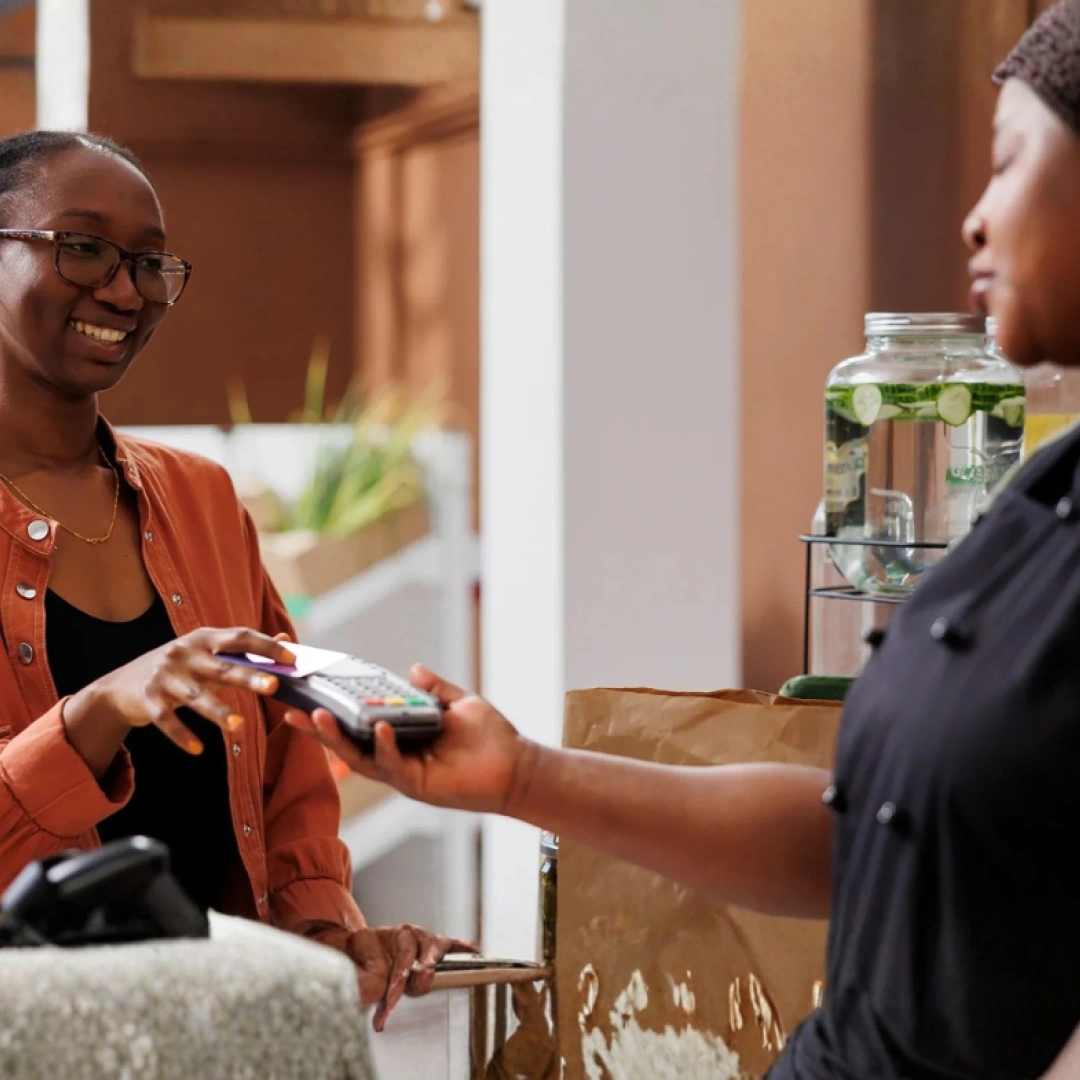
Cameroon, Ivory Coast, and Senegal are piloting the deployment of an innovative banking gateway connecting millions of mobile wallets, a first in West Africa that will streamline inter-operator transfers and boost financial inclusion. This project, led by players like MTN MoMo and Orange Money, aims to interconnect mobile ecosystems for instant transactions without exorbitant fees, potentially reaching 50 million users in the CEMAC and WAEMU zones.
Context of Mobile Money Interconnection
Sub-Saharan Africa has more than 600 million active mobile accounts, but transfers between rival operators (MTN, Orange, Moov) remain siloed, with high fees and delays. This banking gateway, deployed through public-private partnerships, creates a centralized hub enabling seamless P2P, B2B, and B2C transfers, as if all wallets were with the same operator.
The three pioneering countries together account for more than 30 million accounts: Senegal with its booming Wave and Free Money services, Côte d’Ivoire with its leading MTN MoMo service (15 million users), and Cameroon where Orange and MTN compete for 10 million customers. This regional corridor relies on the BEAC and BCEAO for regulatory compliance.
Operation and Immediate Benefits
The platform acts as a digital “interbank highway”: an MTN user in Senegal can instantly send money to an Orange wallet in Côte d’Ivoire, with real-time settlement via secure APIs and unified fees of less than 1%. It also integrates traditional bank accounts, promoting mobile-bank hybrid banking for SMEs and informal traders.
For households, this means simplified diaspora remittances (US$1.5 billion/year in Senegal alone) and faster merchant payments. Governments see it as a tool to combat fraud and improve tax traceability, potentially boosting GDP by 2-3% through the formalization of the digital economy.
Economic Stakes for West Africa
This initiative accelerates the CEMAC-UEMOA banking union, hampered by disparate standards, and positions the three countries as regional fintech hubs to compete with M-Pesa in Kenya. It supports the SDGs for financial inclusion, with 40% of unbanked adults in Côte d’Ivoire potentially switching to mobile banking. Operators see increased transaction volumes (a tripling of transactions is projected), while traditional banks must innovate to avoid being left behind.
Technical and Regulatory Challenges
Despite the imminent launch, hurdles remain: interoperability of legacy systems, cybersecurity in the face of fraud (already $100 million in annual losses), and harmonization of cross-border KYC procedures. Regulators are demanding a common guarantee fund and transfer limits to curb money laundering.
Impacts on Businesses and Trade
Cross-border SMEs (trade between Abidjan and Dakar) will benefit from immediate B2B payments, reducing logistics costs by 20%. Local fintech startups could emerge around value-added services (credit scoring via mobile history, micropayment insurance).
Regional and Continental Prospects
Following this pilot trio, Ghana, Burkina Faso, and Gabon will join in 2027, aiming for 200 million interconnected accounts. This model could inspire a “pan-African gateway” via the African Union, concerning foreign stablecoins and strengthening monetary sovereignty against the dollar. For Cameroon, Ivory Coast and Senegal, this is a decisive step towards the digital economy of the 21st century.
✍️ Want to contribute a high-value article?
Contact us for a guest post : [email protected]
Write to the editorial team