SADC currently boasts one of the highest rates of electricity access on the African continent, with approximately 56% of its population connected, but remains far from achieving universal access and truly sustainable energy.
SADC Context and Energy Challenges
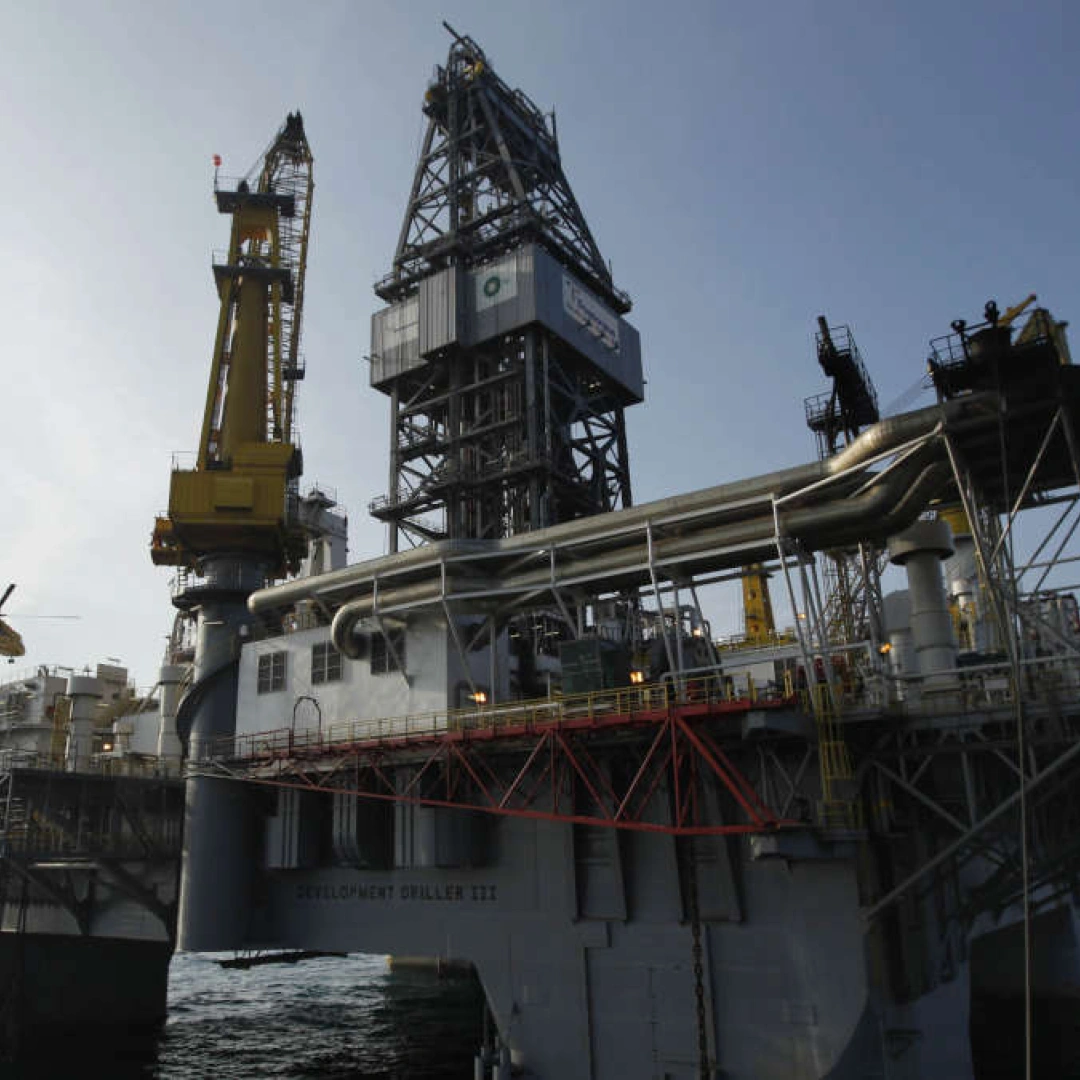
The Southern African Development Community (SADC) comprises 16 countries, from South Africa to Tanzania, including Angola, Mozambique, and the Democratic Republic of Congo (DRC), representing a market of over 360 million people. Despite abundant energy resources—coal, hydroelectric, solar, and wind—the region has long suffered from a lack of investment in electricity generation, transmission, and distribution.
One of the highest access rates in Africa
According to SADC Executive Secretary Elias Magosi, the average access to electricity in the region has now reached 56%, a level higher than that of the East African Community (39%) and slightly above ECOWAS (53%). Between 2014 and 2023, the electrification rate thus increased from approximately 36% to 56%, a rise of 20 percentage points in less than a decade, demonstrating significant progress.
Progress driven by a few key economies
This improvement is largely due to the performance of countries such as South Africa, Namibia, and Botswana, whose urban grids are relatively dense and interconnected via the Southern African Power Pool (SAPP). The interconnection of nine national electricity systems within this energy pool allows for the sharing of production capacity, reduces costs, and mitigates temporary shortages between member countries.
A persistent contrast between urban and rural areas
Behind the flattering regional indicator, significant internal disparities remain, particularly between urban and rural areas. Only about a third of the rural population in SADC has access to electricity, with substantial differences between coastal countries, landlocked countries, and states experiencing political or security instability.
An energy mix still heavily dependent on coal
The region’s electricity mix remains dominated by coal, which accounts for nearly 59% of production, far ahead of hydropower (24%) and other renewables (approximately 15% in total). This dependence on coal poses a dual challenge: greenhouse gas emissions and vulnerability to shocks in fuel costs and supply.
Regional Ambitions: Towards Universal Access by 2040
SADC has set a target of approximately 85% access to electricity in the medium term and universal access to energy by 2040, while aiming for 53% renewable energy in its electricity mix. To achieve these targets, the region needs to deploy nearly 2.8 GW of new renewable capacity per year, totaling more than 52 GW by 2040.
The Growing Role of Renewable Energy
With one of the world’s highest levels of solar radiation and significant hydropower resources, SADC has the assets to accelerate its green energy transition. Solar mini-grids, off-grid systems, and hybrid projects (diesel-solar, hydro-solar) are already proliferating to serve isolated rural areas at increasingly competitive costs.
Financing and Structural Challenges to Overcome
Despite these prospects, investment needs in energy remain massive, estimated at between $45 and $56 billion per year globally to meet decarbonization targets, a significant portion of which must be mobilized in Southern Africa. Regulatory instability, the weakness of some PPP frameworks, and the fragile financial health of several national utilities are still hindering the large-scale influx of private capital.
Socio-economic Stakes of Electrification
Expanding access to electricity is central to SADC’s economic transformation strategies, as it is essential for industrialization, job creation, and the competitiveness of local businesses. For households, electricity is a lever for reducing energy poverty, improving education (lighting, digital access), and strengthening the resilience of health systems (cold chain, hospital equipment).
Outlook: Consolidating Gains and Accelerating the Transition
With an access rate of 56%, SADC is positioned as one of the most advanced African regions in terms of electrification, although it remains far behind the levels observed in North Africa or emerging Asian economies. The priority for the coming years will be to consolidate the progress made, accelerate rural electrification, and rebalance the energy mix towards renewables to reconcile energy security, competitiveness, and climate objectives.
✍️ Want to contribute a high-value article?
Contact us for a guest post : [email protected]
Write to the editorial team