Botswana is accelerating its economic transformation by focusing on the local processing of its mineral resources, going beyond raw extraction. This government-led strategy aims to create added value and stimulate domestic industry, particularly through critical minerals.
Mineral Processing as an Industrial Lever
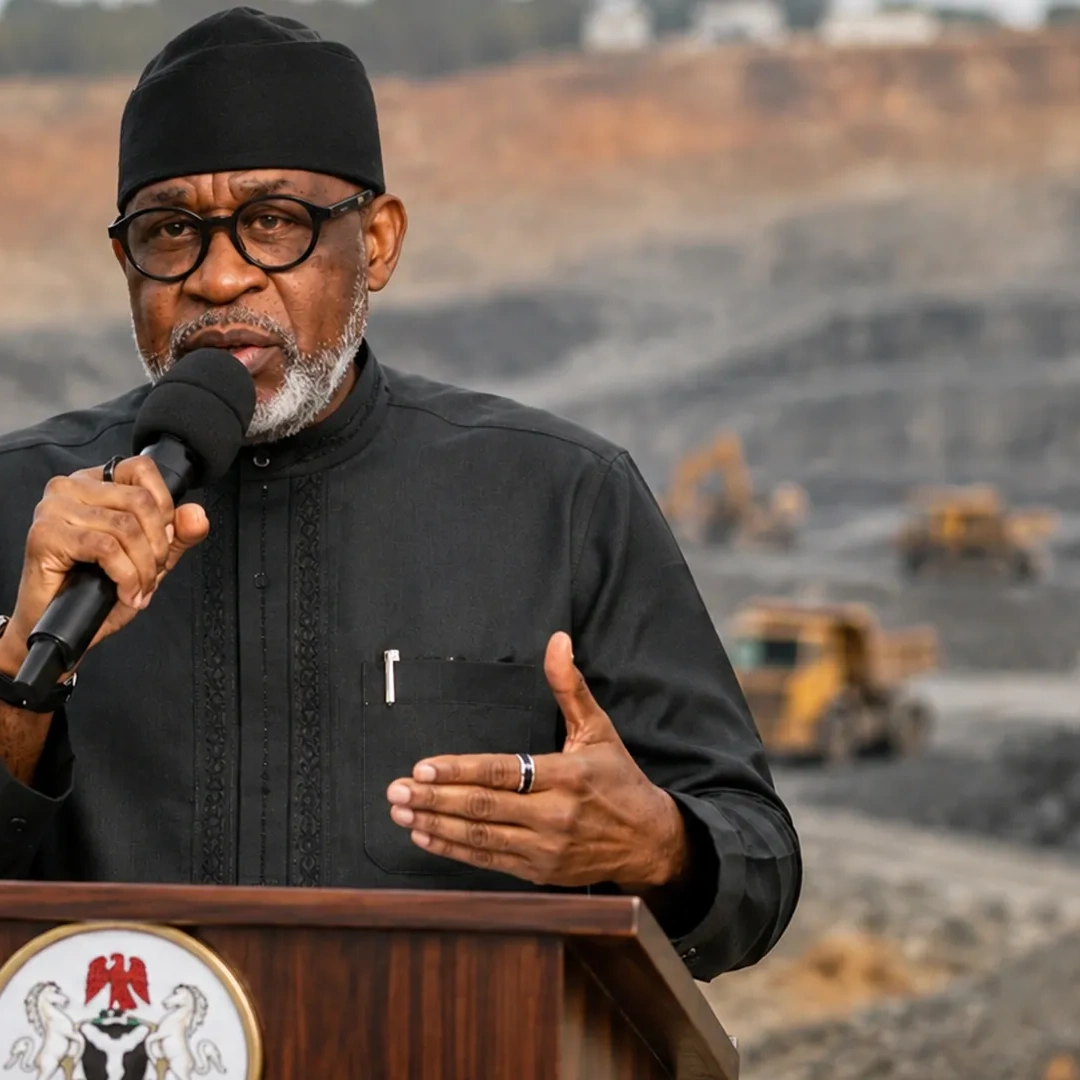
Botswana, long dependent on diamonds for its growth, is making a strategic shift towards the local processing of its mineral resources. The Minister of Foreign Affairs and Economic Development, Lemogang Habane, recently reaffirmed this direction at an international event, emphasizing that the country is moving from simply exporting minerals to ambitious industrialization.
A Diversified Mineral Wealth at the Heart of the Strategy
The country possesses exceptional potential: diamonds, of course, but also copper, nickel, manganese, lithium, uranium, gold, silver, and rare earth elements. These critical minerals are essential to the global energy transition and green technologies, positioning Botswana as a key player in global supply chains.
The government is now encouraging investment in local enrichment through infrastructure such as the Diamond Technology Park in Gaborone, which hosts manufacturers, laboratories, and innovation hubs. Okavango Diamond Company is increasing its share of rough diamonds to develop cutting and polishing domestically.
Reforms to Foster Local Participation
Since October 2025, new regulations have required mining companies to sell 24% of the shares in new concessions to local investors through profit-sharing options. This measure aims to strengthen citizen ownership while maintaining attractiveness for foreign capital.
Concrete projects illustrate this dynamic:
- Advanced copper and nickel exploration by Premium Resources at Selebi North and Main.
- BHP’s acquisitions in the Kitlanya East and West projects.
- Use of AI by Botswana Diamonds to target gold, copper, and platinum group metals.
- Support for innovations such as nanotechnology for greener extraction.
Challenges and opportunities for industrialization
Despite these advances, Botswana faces challenges: high youth unemployment, the need for infrastructure (rail, industrial zones, renewable energy), and training for a professional transition. The government is relying on AI, solar farms, and innovation hubs to support this value creation.
This approach strengthens ESG (environmental, social, and governance) practices, with an online mining cadastre and public geophysical data to attract investors.
Geo-economic impacts in Southern Africa
By adding value to its minerals, Botswana is diversifying its economy (where mining accounts for 40% of GDP) and inspiring the region. It is avoiding the resource curse by focusing on transparency and inclusion, while meeting global demand for sustainable supplies.
Botswana’s mineral value creation strategy marks a positive shift: from raw material extractor to responsible industrial hub. By integrating local participation, innovation and infrastructure, the country secures its growth and its role in the global green transition.
✍️ Want to contribute a high-value article?
Contact us for a guest post : [email protected]
Write to the editorial team