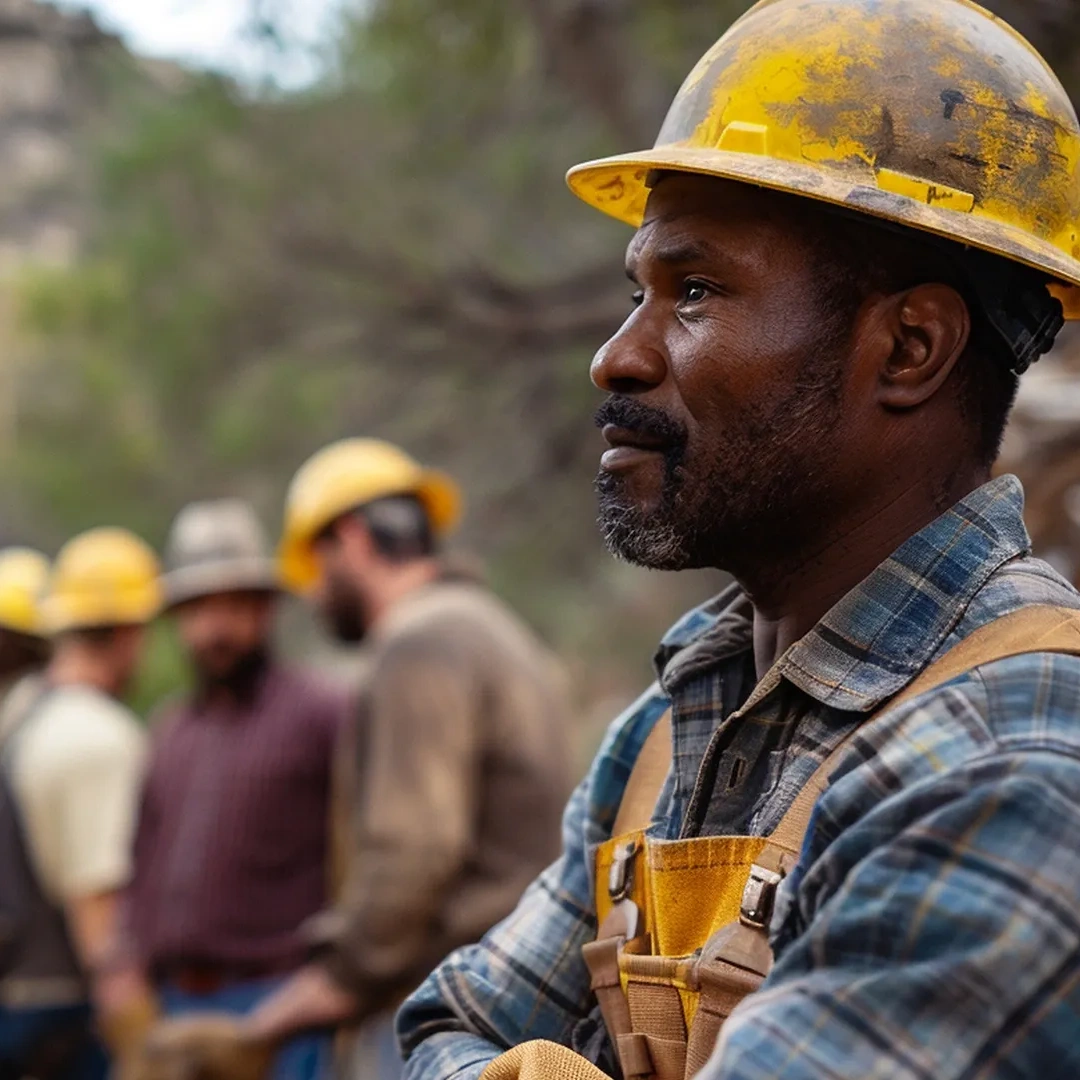
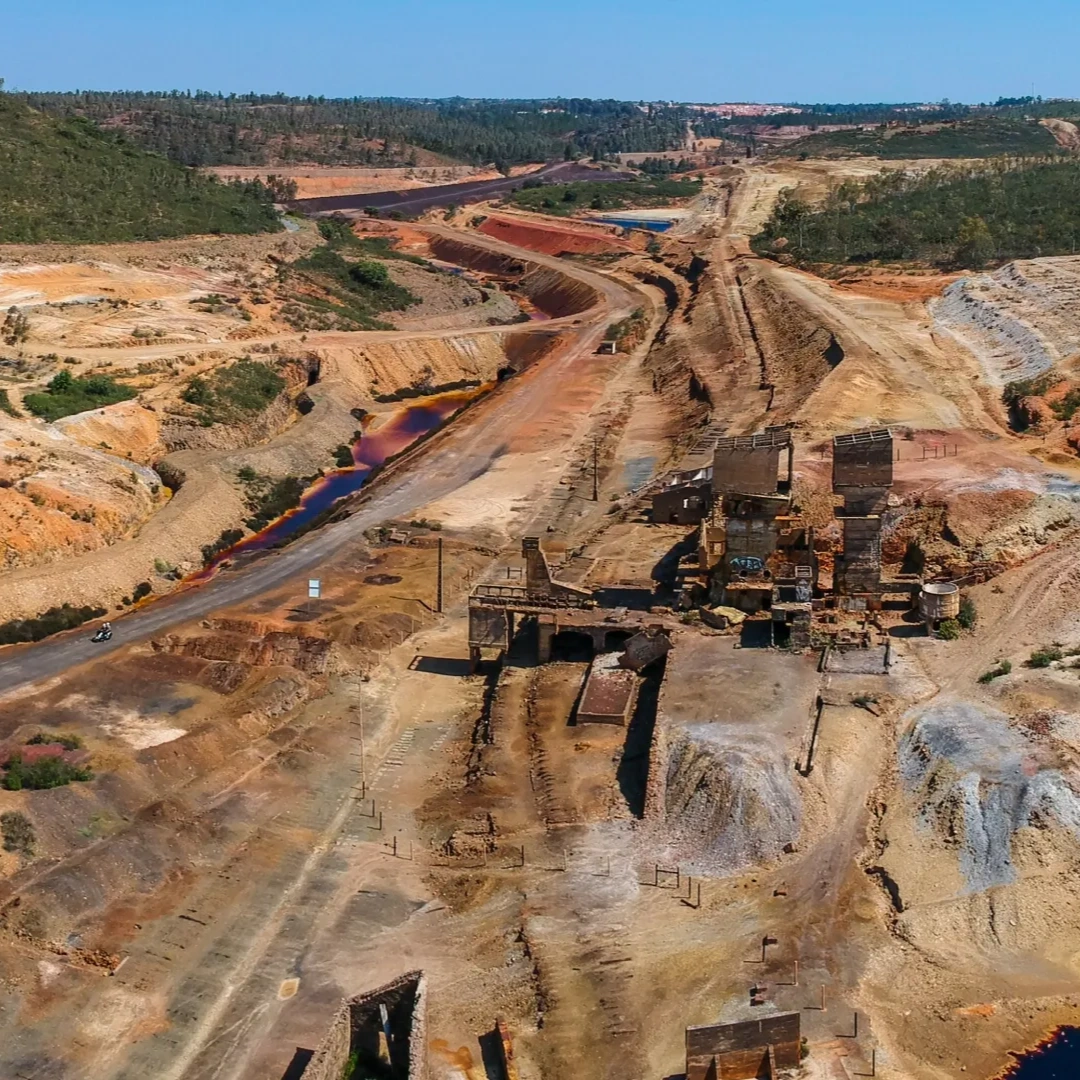
In the heart of Central Africa, the Democratic Republic of Congo holds what some call the “treasure of the 21st century”: approximately 75% of the world’s reserves of critical minerals, representing an estimated value of USD 24 trillion according to the World Bank.
Cobalt, coltan, copper, lithium, germanium… all essential resources for cutting-edge technologies, electric vehicles, and the global energy transition. And it is precisely around this treasure that one of the most significant geopolitical agreements of the decade was forged in 2025.
From Negotiation to Signature: Unprecedented Mineral Diplomacy
It all began in March 2025. The U.S. State Department officially announced its intention to sign a strategic partnership with the DRC, focused on critical minerals. Spokesperson Karoline Leavitt then emphasized Congo’s leading role in the global production of cobalt, lithium, germanium, and coltan.
The logic behind the trade is simple, but far-reaching: the United States seeks to secure its supply of essential minerals—cobalt, copper, coltan, and lithium—in exchange for a commitment to stabilizing eastern DRC, a region ravaged by decades of armed conflict.
The agreement was finally officially signed on December 4, 2025, in Washington, D.C. President Trump welcomed his Congolese counterpart, Félix Tshisekedi, and his Rwandan counterpart, Paul Kagame, for what was presented as a three-pronged breakthrough: peace, security, and economic development.
What the agreement actually entails
The text goes well beyond a simple trade partnership. The agreement grants American companies a right of first refusal on critical mineral deposits, gold, and exploration areas constituting the Strategic Mineral Asset Reserve (SAR). If, after nine months, no American offer is accepted, the projects can be opened to allies—the European Union, Qatar, or the DRC itself—but never to countries considered strategic adversaries by Washington.
Washington also secures a role in the governance of the Congolese mining sector. The agreement establishes an intergovernmental dialogue, a US-DRC economic forum, and a ten-member Joint Steering Committee tasked with overseeing projects, validating eligibility criteria, and reviewing any decisions likely to affect American interests, including embargoes or export quotas.
Leading American private sector players are already positioning themselves. KoBold Metals, backed by Jeff Bezos and Bill Gates, has signed a framework agreement for a $1 billion investment to develop the Manono lithium deposit. Ecofin Agency
The China Factor: The Unspoken Central Issue
While the agreement is presented as a development partnership, its anti-China dimension is undeniable. The United States faces an unprecedented challenge: securing its supply of critical minerals without relying on foreign adversaries, and reducing its dependence on China has become an absolute priority.
Chinese dominance in the DRC is indeed overwhelming. Nine of the world’s ten largest cobalt mines are located in the Katanga region, and half are owned by Chinese companies. These companies also control more than 80% of Congo’s copper mines.
The DRC, for its part, sees this agreement as an opportunity for rebalancing. This agreement would allow the country to diversify its partnerships, thus reducing its dependence on China for the exploitation of its vast mineral resources.
The American response to Chinese influence is now part of a broader strategy. Vice President JD Vance presented a draft trade block dedicated to critical minerals in February 2026, with coordinated floor prices, while the United States, the EU, and Japan announced a strategic partnership to diversify their supplies.
The Shadows on the Picture: Controversies and Resistance
The agreement is far from being unanimously accepted. On the legal front, in January 2026, Congolese lawyers and human rights defenders petitioned the Constitutional Court to challenge the legality of the partnership, which they accused of selling off national sovereignty to American mining interests.
In the United States itself, voices are being raised. Fifty-two Democratic elected officials, led by Representative Linda T. Sánchez, questioned Trump and Rubio, denouncing the lack of transparency in the negotiations and an apparent conflict of interest: one of Trump’s associates, Gentry Beach, is allegedly part of a consortium negotiating the rights to exploit the Rubaya coltan mine, at the heart of the mineral trafficking that finances the conflict.
The historical comparison is damning for some analysts. Observers see this new “minerals for security” agreement as similar to the “minerals for infrastructure” agreement signed with China in 2008, which, according to several reports, never benefited the DRC equitably.
Peace, a prerequisite
The entire mechanism rests on one essential condition: the stabilization of eastern Congo, where the most coveted deposits are located. The United States facilitated a peace agreement between the DRC and Rwanda, signed on June 27, 2025, and continues to support the establishment of a regional economic integration framework aimed at improving transparency in critical mineral supply chains.
But skepticism remains. According to analysts, Trump’s optimism is “completely disconnected from reality”: violence reigns throughout eastern DRC, and the predatory mining system, fueled by numerous armed actors, makes this agreement highly likely to fail.
Conclusion: A New African Great Game
The DRC-US agreement on critical minerals is much more than a mining contract. It is a major geopolitical act, revealing a new “Great Game” being played out on the African continent between Western powers and China, with the DRC at its epicenter. Washington is banking on its dollars and its ability to provide security. Beijing is defending half a century of investment. And Kinshasa, caught between a historic opportunity and the risk of economic neo-colonialism, is trying to navigate between these two giants, hoping that, this time, the riches of the subsoil will finally benefit its people.
The question remains: in this global tug-of-war for the metals of tomorrow, who will truly reap the rewards of these Congolese riches?
✍️ Want to contribute a high-value article?
Contact us for a guest post : [email protected]
Write to the editorial team