African Leaders Warn of Water Crisis
400 million Africans still lack access to a safe drinking water source, and more than 700 million live without adequate sanitation services. This alarming finding was presented at the 39th African Union (AU) Summit, which concluded on February 15 in Addis Ababa.
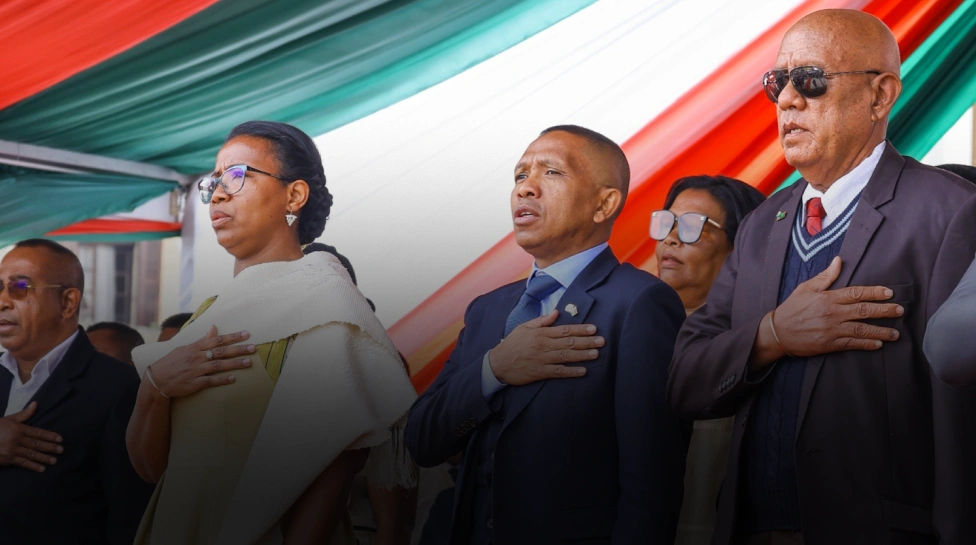
The theme of this session, “Ensuring Sustainable Availability of Safe Water and Sanitation Systems to Achieve the Goals of Agenda 2063,” was central to the discussions among heads of state and government.
The President of Burundi, Evariste Ndayishimiye, emphasized that the first victims of this situation are children, women, and rural populations. He stressed the urgent need to act to guarantee everyone the right to water and sanitation, essential for health and development.

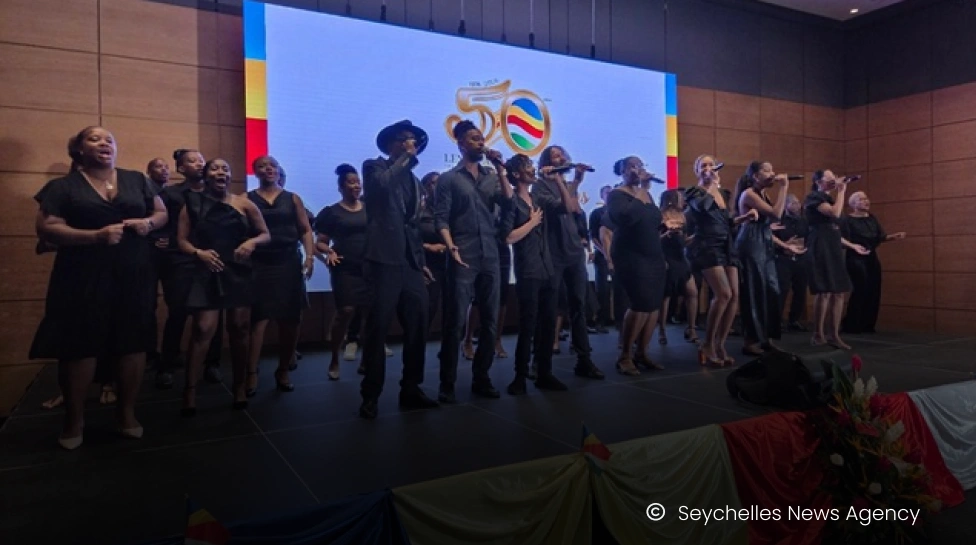
Furthermore, the President of Seychelles, Dr. Patrick Herminie, emphasized the particular vulnerability of small island states to climate change and rising sea levels. The Head of State called for the adoption of the Multidimensional Vulnerability Index (MVI) by international financial institutions to assist the most exposed countries. He also championed the blue economy, which creates jobs and growth while protecting marine resources.
For his part, the President of the Comoros, Azali Assoumani, reiterated the importance of peace and stability for Africa’s development. He addressed the issue of Mayotte, his country’s solidarity with Somalia and Palestine, and announced the commemoration of the 25th anniversary of the Fomboni Framework Agreement, a symbol of national reconciliation supported by the African Union.
On the sidelines of the summit, the Comorian President met with Nardos Bekele-Thomas, Director General of NEPAD, to discuss concrete projects: improving access to drinking water and sanitation, developing renewable energies, strengthening infrastructure, and creating a maritime corridor to facilitate movement between the islands.