Côte d’Ivoire is strengthening its economic appeal thanks to a strategic meeting between the IMF and Ivorian business leaders, aimed at stimulating private investment in a context of sustained growth. At the “Maison de l’Entreprise” (House of Business) in Abidjan-Plateau, the president of the business leaders’ association, Ahmed Cissé, hosted a senior IMF official to harmonize their views on public debt, taxation, and the business climate.
A Key Meeting at the Maison de l’Entreprise
The recent meeting highlights a convergence of interests between the International Monetary Fund and the General Confederation of Enterprises of Côte d’Ivoire (CGECI). The discussions, focused on the socio-economic situation, are part of the ongoing reviews of IMF programs, such as the Extended Fund Facility (EFF) and the Extended Credit Facility (ECF). The business community, represented by figures such as Mamadou Bamba (Vice-President of CGECI and CEO of Orange Côte d’Ivoire), outlined its priorities for boosting the competitiveness of local businesses.
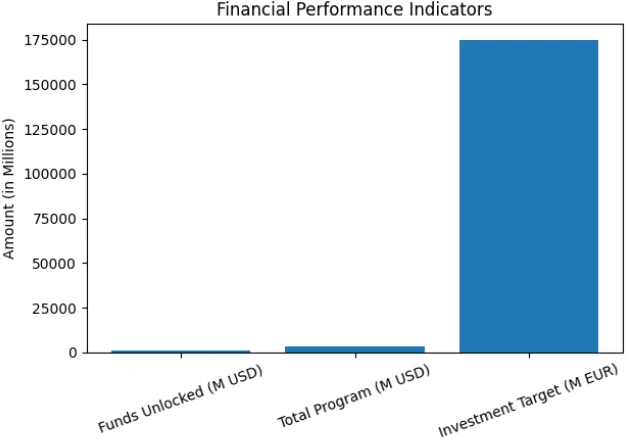
This public-private dialogue aims to align macroeconomic reforms with the real needs of the private sector in a country projected to grow by 6.3% by 2025, despite electoral and climate challenges. The IMF commended Côte d’Ivoire’s fiscal discipline, which has enabled massive disbursements (nearly USD 840 million recently), strengthening investor confidence.
The business community’s priorities in its discussions with the IMF
Ivorian business leaders emphasized several obstacles to investment: delays in public debt repayment, which are crippling companies in the infrastructure and education sectors (requesting a maximum payment period of 90 days). Tax pressure was also a central topic, with a call to broaden the tax base to ease the burden on formal businesses and gradually integrate the informal sector. The business climate and the investment code were reviewed to accelerate reforms to the National Development Plan (NDP).
The IMF, for its part, is emphasizing increased tax mobilization (0.5% of GDP per year starting in 2026, aiming for 20% of GDP) through a strategy adopted in 2024, while streamlining exemptions and improving transparency. These measures should free up fiscal space for infrastructure, social spending, and economic transformation, in synergy with private sector expectations.
A context of solid macroeconomic performance
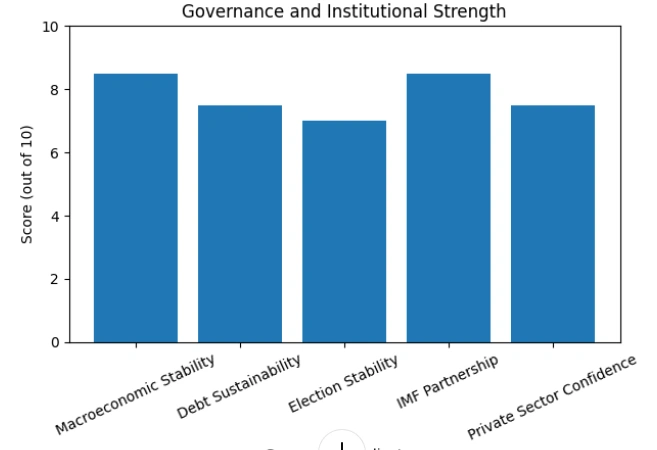
Côte d’Ivoire benefits from a resilient macroeconomic framework: reduced budget and external deficits, controlled inflation, and a moderate risk of debt distress, validated by IMF reviews (ECF/MEDC and DRF). These successes unlocked USD 839.7 million in December 2025, bringing the program to over USD 3.5 billion in total, despite the October 2025 elections. The private sector is aligned with these indicators but is calling for greater transparency in the implementation of the National Development Plan (NDP) to mobilize €175 billion by 2030.
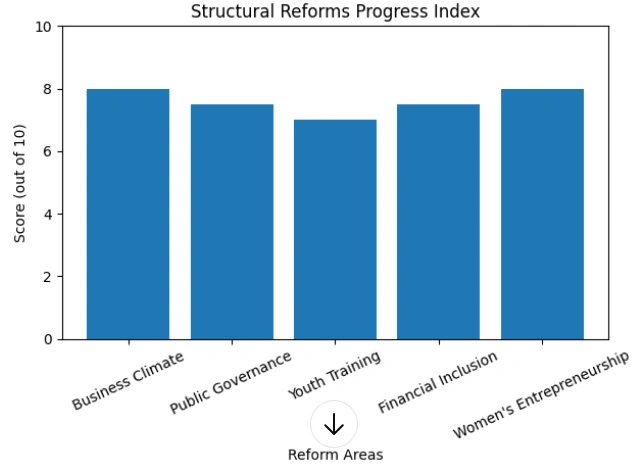
The ongoing structural reforms—business climate, governance of state-owned enterprises, youth training, and women’s financial inclusion—are praised by the IMF as drivers of inclusive growth. The IMF-business partnership is accelerating these initiatives by integrating SMEs, women’s entrepreneurship, and the fight against informality.
Persistent Challenges and Investment Prospects
Despite progress, tensions remain: SME financing, public payment delays, and tax competitiveness in the face of sub-regional competition. The IMF encourages a swift removal from the FATF grey list through anti-money laundering measures and a focus on human capital to support industrialization. These discussions strengthen Côte d’Ivoire’s credibility with foreign investors, in a country aiming for upper-middle-income status.
In the long term, this IMF-business partnership could catalyze FDI in key sectors such as agribusiness, mining, and infrastructure, while promoting a green transition through the Resilience and Sustainability Facility (RSF).
Key Issues
This IMF-Ivorian business meeting highlights the levers and challenges for stimulating investment.
Concerns of the business community (CGECI):
- Public debt repayment deadlines limited to 90 days, especially for infrastructure and education.
- Broadening the tax base to reduce pressure on formal businesses and integrate the informal sector.
- Improving the investment code and the visibility of the National Development Plan (NDP) to accelerate the business climate.
IMF Recommendations:
- Tax mobilization of +0.5% of GDP per year starting in 2026, targeting 20% of GDP for social/infrastructure budgets.
- Streamlining tax exemptions and increasing transparency in public finances.
- Reforms: governance of public enterprises, youth training, and inclusion of women and SMEs.
Macroeconomic performance and support:
- Growth of 6.3% in 2025, IMF disbursements of $840 million (total program >$3.5 billion).
- Post-election discipline, moderate debt risk, and a focus on climate resilience (FRD).
Investment outlook:
- Public-private synergy for FDI in agribusiness, mining, and sustainable infrastructure.
- Objective: upper middle income, exit from FATF grey status via anti-money laundering.
✍️ Want to contribute a high-value article?
Contact us for a guest post : [email protected]
Write to the editorial team