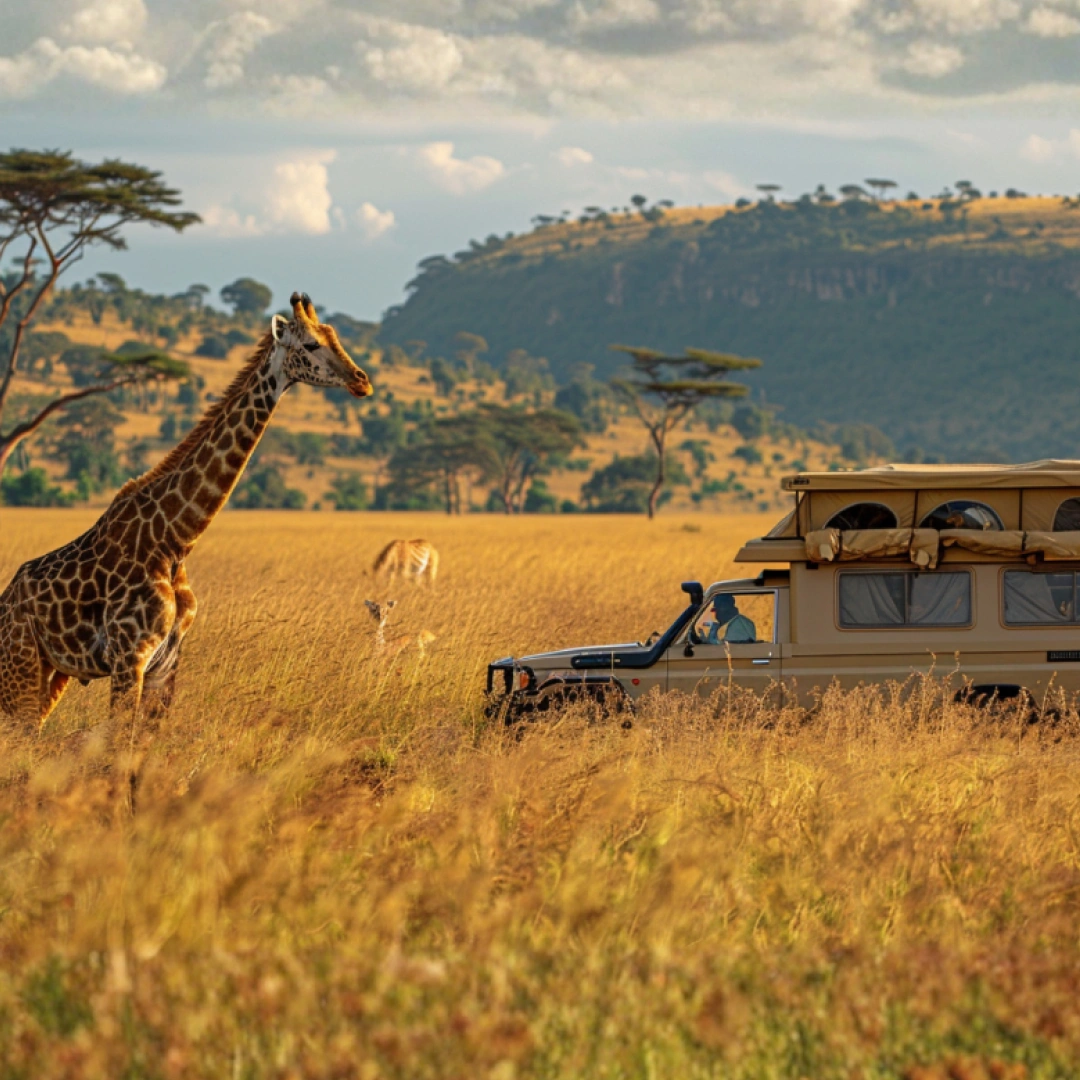
Tanzania is investing in forest tourism, drawing inspiration from Chinese models of ecological development and relying on technological and scientific cooperation with experts from China. This initiative aims to boost tourism while supporting conservation and sustainable development.
Tanzania-China Cooperation: An Innovation Strategy
Faced with the rise of ecotourism in Africa, Tanzania has sought China’s support to accelerate its forest development. Chinese experts from Hunan recently visited key Tanzanian reserves to identify best practices for transfer and explore the possibilities of creating botanical gardens. This collaboration aims to exchange scientific data, conduct research on rare species, and strengthen local skills in sustainable forest management.
Objectives: to enhance biodiversity and generate revenue
Tanzanian authorities are establishing this partnership to improve the tourism potential of their natural areas, attract more international visitors, and increase their foreign exchange earnings. The Chinese model is a key inspiration, particularly for the integrated management of reserves and the creation of ecotourism infrastructure, while also supporting research and innovation in conservation.
Opportunities and challenges of forest tourism
- Establishment of botanical gardens and promotion of ecological trails.
- Development of new scientific projects on biodiversity and endangered species.
- Improved attractiveness of nature reserves through modern infrastructure and enhanced tourism interpretation.
- Strengthening of Sino-Tanzanian diplomatic and economic relations.
Outlook: Sustainable Growth and International Collaboration
Tanzania aims to attract up to 8 million tourists by 2030 by focusing on service quality, developing eco-friendly offerings, and upgrading its forest tourism destinations. Chinese influence should accelerate this transition while respecting sustainability criteria and ecosystem protection.
The success of this partnership will serve as a model for other African countries seeking to reconcile tourism growth with the conservation of their natural heritage.
✍️ Want to contribute a high-value article?
Contact us for a guest post : [email protected]
Write to the editorial team